Israel is waging a campaign of psychological warfare in Beirut by projecting godlike power from the skies, raining down bombs that mete out death and dropping leaflets vowing that Beirut and Gaza will share in the same fate.
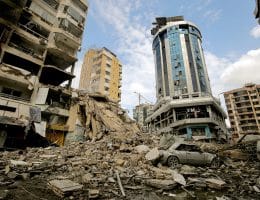

Israel is waging a campaign of psychological warfare in Beirut by projecting godlike power from the skies, raining down bombs that mete out death and dropping leaflets vowing that Beirut and Gaza will share in the same fate.
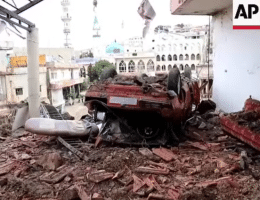
As Israel expands its ground invasion of southern Lebanon, village residents in the eastern part of the country have participated in resisting two separate Israeli commando drops this month. Locals and experts say it’s a prelude for a wider invasion.

Long-standing crises in Palestine, Syria, Lebanon, Yemen, Sudan, Iraq, and Iran are deepening as the U.S. imprint on the Middle East shows no signs of weakening.
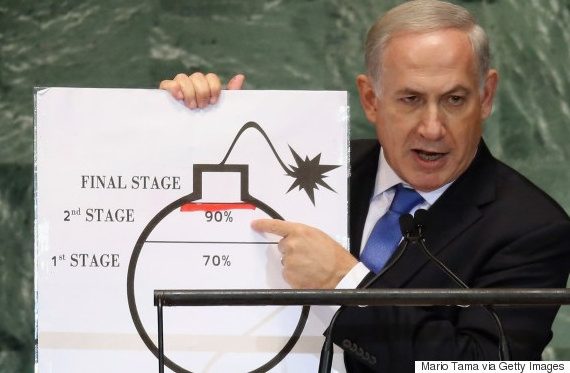
In the wake of the United States’ invasion of Venezuela, countries around the world are asking what this means for them. For Israel, it could mean an opportunity for another conflict with Lebanon or Iran that Netanyahu has been vying for.
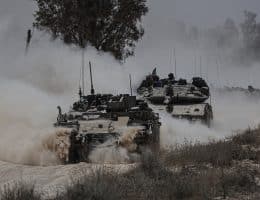
Israel’s strategic posture favors a constant state of war over political deals that might constrain future aggression. Its recognition of Somaliland is part of this strategy, and an attempt to plant the first flag of its would-be empire in Africa.

The U.S. set a deadline for the Lebanese government to disarm Hezbollah by the end of December. But as the deadline nears, it is unclear what Lebanon will do, given the challenges of disarming the group and popular support for resistance to Israel.

Israel is using existing ceasefire agreements to establish new realities on the ground, projecting itself as the regional hegemon by launching attacks on Gaza, Lebanon, Syria, and the West Bank.

Israel’s assassination of Hezbollah’s top military commander threatens the collapse of the ceasefire with Lebanon and the return to war.
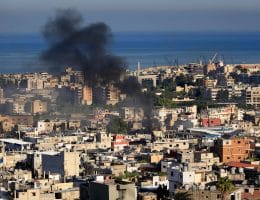
An Israeli airstrike on the Palestinian refugee camp of Ain al-Hilweh in Lebanon killed 13 people amid escalating Israeli bombardment across Lebanon, threatening the ceasefire with Hezbollah – which Israel has already broken dozens of times.
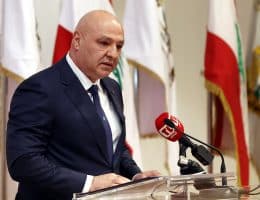
A year-old “ceasefire” is being upheld in Lebanon despite almost daily Israeli military strikes. The Trump administration can still prevent the fragile truce from falling apart, but only if it forces Israel to follow the agreement.