A year-old “ceasefire” is being upheld in Lebanon despite almost daily Israeli military strikes. The Trump administration can still prevent the fragile truce from falling apart, but only if it forces Israel to follow the agreement.
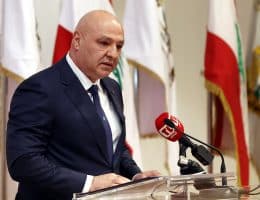

A year-old “ceasefire” is being upheld in Lebanon despite almost daily Israeli military strikes. The Trump administration can still prevent the fragile truce from falling apart, but only if it forces Israel to follow the agreement.

On Monday, Donald Trump and Benjamin Netanyahu will meet to discuss the next steps in their plan to reshape the Middle East. Their vision includes expanding normalization, disarming adversaries, and ending any Palestinian aspirations for freedom.

The war across the Middle East is part of a desperate effort to preserve Western superiority. All the fighting — whether in Palestine, Lebanon, Syria, Yemen, or Iran — is due to Zionism, and its role of enforcing the crushing force of the West.
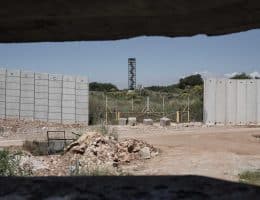
They surrounded us with walls so that we thought the Nakba was forever. Instead, we forgot that the walls existed, so we could see the Palestine we’ve always dreamed of.

As Israeli airstrikes throughout Lebanon continue, the Lebanese state is threatening to disarm Palestinian factions in the refugee camps. Residents fear this is a prelude to an all-out assault on the camps — and the Palestinian cause.
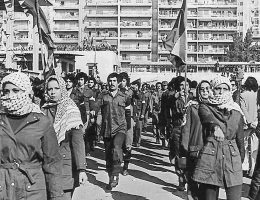
The same reality that compelled Palestinian refugees in Lebanon to take up arms in the 1970s persist to this day. The Palestinians of the camps now view the resistance movement in Gaza with renewed hope for liberation.
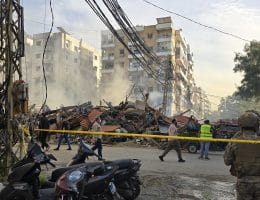
The failure of the Lebanese government to protect against Israeli attacks is leading Lebanon down two roads: either Hezbollah will re-enter the war in defense of the Lebanese people, or the government will prevail and content itself to sit back.

Israel announced that it would set up a bureau for the “voluntary emigration” of Palestinians out of Gaza. This isn’t the first time Israel has done it, and it won’t work this time either.

The IMF and World Bank are conditioning reconstruction funds on Lebanon’s normalization with Israel and disarming Hezbollah. In the Dahiya suburb of Beirut, the people who’ve lost their homes in the war think this is unacceptable.
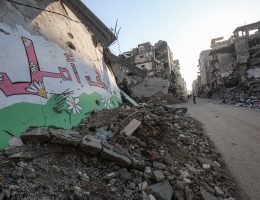
Israel’s founding myth of “making the desert bloom” could only work if it eliminated all traces of the society that came before it. That’s why Zionism has always sought to erase the Palestinian people, from the Nakba to the genocide in Gaza.