Those who say that Israel knew about the plans for October 7 all along are repackaging an old colonial trope which believes that the natives are too docile, too submissive, too cowardly, and too inferior to revolt against their oppressors.
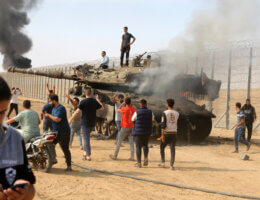

Those who say that Israel knew about the plans for October 7 all along are repackaging an old colonial trope which believes that the natives are too docile, too submissive, too cowardly, and too inferior to revolt against their oppressors.
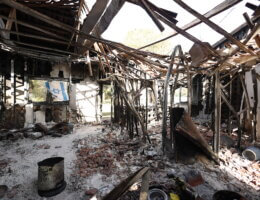
Stories of atrocity on October 7 have been used to justify the ongoing assault on Gaza. But several of these high-profile claims have been found to be based on unreliable witnesses or even fabricated entirely. We deserve to know the truth.

Some of Palestine’s allies seem more comfortable with Palestinians as victims of Israel’s colonial rule than agents of their own liberation. Palestinians need support when they fight, not only when they die.

Nothing can hide the determination and courage of those young people who returned to their land on October 7. I could have been one of them had I been much younger and still living in the concentration camp called Gaza.
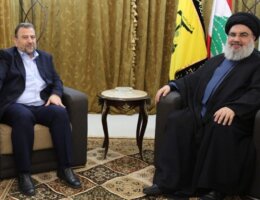
As worries of a regional war intensify, UNICEF says the children of Gaza are running out of time to be saved as they face “severe acute malnutrition” amid Israel’s ongoing siege.

A New York Times story claiming a pattern of gender-based violence on October 7 hinged on the story of Gal Abdush. But the Abdush family says there is no proof she was raped, and that Times reporters interviewed them under false pretenses.
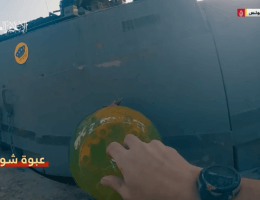
The Israeli war cabinet pressures Netanyahu to discuss “the day after” in Gaza as Hamas broadcasts videos of targeting Israeli tanks, and the PFLP says a captive soldier died during an Israeli airstrike. Meanwhile, UNRWA warns of widespread hunger.
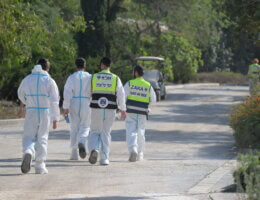
ZAKA is one of the leading organizations alleging Hamas atrocities on October 7. But the organization’s volunteers have systematically given false testimonies, and continue repeating them to journalists on behalf of the Israeli government.

Our recent position paper on sex and gender-based violence during the October 7 Hamas attacks was the best possible way to engage with a complicated reality.
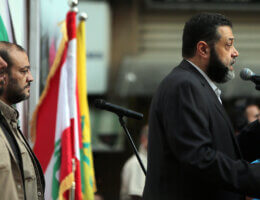
In a wide-ranging interview with Mondoweiss, Osama Hamdan shares Hamas’s vision for maximizing the political outcomes of the war, including calls for democratic elections, demands for restarting prisoner negotiations, and the motivations behind October 7.