The struggle for Palestinian liberation is a threat to the global world order. That’s why no one is “stopping” Israel.


The struggle for Palestinian liberation is a threat to the global world order. That’s why no one is “stopping” Israel.

Three years after October 7, Israel’s reputation has fallen apart among the U.S. population, but the architects of the genocide have yet to face accountability
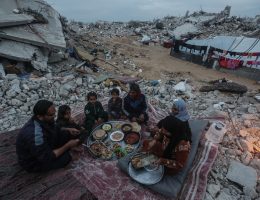
In scattered tents across Gaza, families once bound by shared meals and evenings by the sea now focus solely on survival. The rituals that once bonded fathers to their children, or women to their neighbors, have been shattered by Israel’s genocide.

From my uncle’s exasperated sighs over olive groves we can no longer reach, to the iron gates the Israeli army has erected at the edge of my village, there is one word we use to cope: ‘aadi’, or, “normal” in Arabic. But this reality is anything but.

In Gaza, an entire generation of children born into the genocide has no memory of how life was like before, and doesn’t know about the world outside Gaza’s walls.
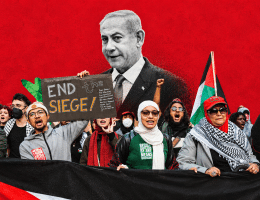
Since October 7 and the Gaza genocide, U.S. opinions on Israel and Palestine have drastically shifted. The power of Zionist propaganda has been permanently weakened, and the U.S.-Israel relationship is in a more precarious position than ever before.
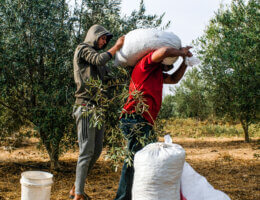
The Israeli army has bulldozed over 1.6 million olive trees in Gaza since the beginning of the genocide in 2023, threatening the livelihood and heritage of olive farming communities, and the survival of a centuries-old Palestinian cultural tradition.

Taybeh, a small West Bank village known for its Christian heritage, is far from Gaza. But in the two years since October 7, life has changed dramatically as the genocide and Israeli occupation have affected all Palestinians.

The Trump administration’s crackdown on dissent started with its targeting of Palestine protesters. Two years into the Gaza genocide, we are now seeing these attacks expand to all critics, regardless of their connection to Palestine.
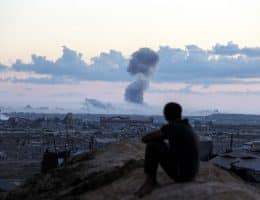
Two years on, the memory of October 7 returns as both catastrophe and possibility, reminding us that both resistance and surrender are choices haunted by loss. But two years on, we also learned something else: they are defeatable.