“Palestine 36” isn’t a movie about the Palestinian revolution against British colonial rule. It is about the present crossroads that Palestine is facing.


“Palestine 36” isn’t a movie about the Palestinian revolution against British colonial rule. It is about the present crossroads that Palestine is facing.
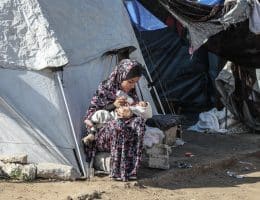
When I speak to friends and family in Gaza, it is impossible to have a conversation without talking about loss: loss of our homes, our livelihoods, and our loved ones. But even as we reel from two years of genocide, the hope of our people remains.
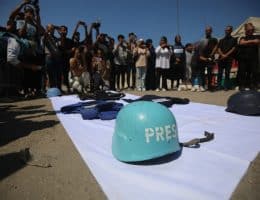
The kind of journalism we need isn’t the kind you’re going to find in legacy media or the “paper of record.” The journalism we need holds power to account.

Palestinian journalists in Gaza aren’t reporting on something neutral. They’re reporting on their own reality.
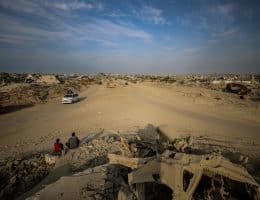
Now that there is a ceasefire in Gaza, Palestinians have disappeared from the headlines, leaving us to wonder: to the world, did the genocide even happen?
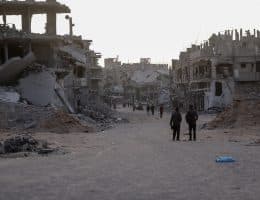
As Palestinians in Gaza return to the ruins of what life used to be, the rubble becomes a promise of what could one day be rebuilt. Until then, it’s still home, even if it’s a tent.
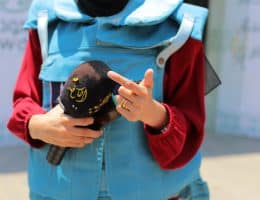
The battle in Palestine today will determine the kind of world the future generation will live in. And perhaps it will be a world where being Palestinian no longer requires translation.
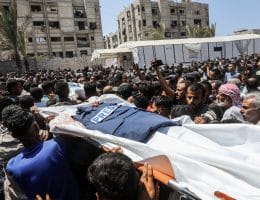
Palestinian journalists in Gaza are carrying on a tradition of “committed journalism” that began decades ago. They, like their predecessors, were killed in the line of duty because they were working for a cause.
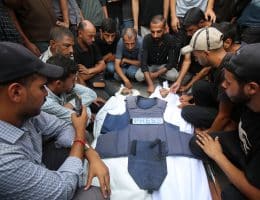
The genocide brought Palestinian journalists closer together and created a collective with a single, unified mission: to tell the truth about what’s happening in Gaza. That is why Israel is assassinating them.
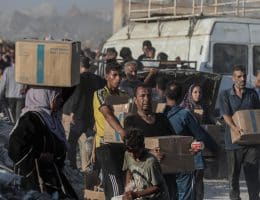
For weeks, I have been reporting on the daily massacres at ‘aid distribution’ sites in Gaza. When I speak to people, including friends, who risk their lives every day to get some food, I can’t help but think of what I would do in that situation.