Record Palestinian turnout in Israel’s elections may soon end Netanyahu’s rule, but the “opposition” will not end the occupation or fundamentally change Israel’s policies. So, what will a new Israeli government actually mean for Palestinians?
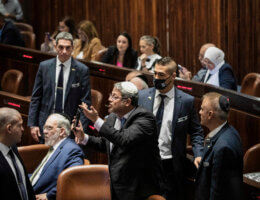

Record Palestinian turnout in Israel’s elections may soon end Netanyahu’s rule, but the “opposition” will not end the occupation or fundamentally change Israel’s policies. So, what will a new Israeli government actually mean for Palestinians?
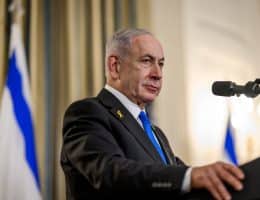
Liberal commentary frames Israel’s elections as a struggle for its soul, but the opposition offers only better management of the same system. Record Palestinian turnout reflects hope for modest relief, not real change.

Netanyahu’s party and the Israeli opposition are at an electoral stalemate that only an alliance with the Palestinian citizens of Israel can break, but neither camp is willing to extend their democratic ideals to the Arab lists who won 19 seats in the latest election.

The Supreme Court’s decision to force Palestinian politician Sami Abu Shehadeh out of the upcoming Israeli elections is the latest sign that there is no place for Palestinian citizens of Israel in the ‘Jewish and democratic’ state.

Palestinians with Israeli citizenship are no longer asked to pledge allegiance, but to renounce their own history. Palestinian Knesset candidate Sami Abu Shehadeh did exactly that before Israel’s Supreme Court, and was pushed out anyway.

Nearly every day, a Palestinian citizen of Israel is killed by gang violence within Israel. The crisis has been years in the making, but its roots trace back to Israel’s war on Palestinian political activity.

As the political power of Israel’s far right grows, Palestinian citizens of Israel are torn about how to respond. Should they pursue representation in the government, or are electoral politics under Israeli rule completely futile?

Mondoweiss speaks to celebrated Palestinian scholar Sabri Jiryis about his life, Zionism, the genocide in Gaza, and the judgements of history.

The town of Umm al-Fahm is on the front lines of the struggle against the genocide among the communities of Palestinians that hold Israeli citizenship, or ’48 Palestinians.

The Left Palestinian movement Abnaa el-Balad is calling for international solidarity in calling for the release of Raja Eghbarieh, an elder movement leader currently being held in administrative detention for his political activity to end the Gaza genocide.