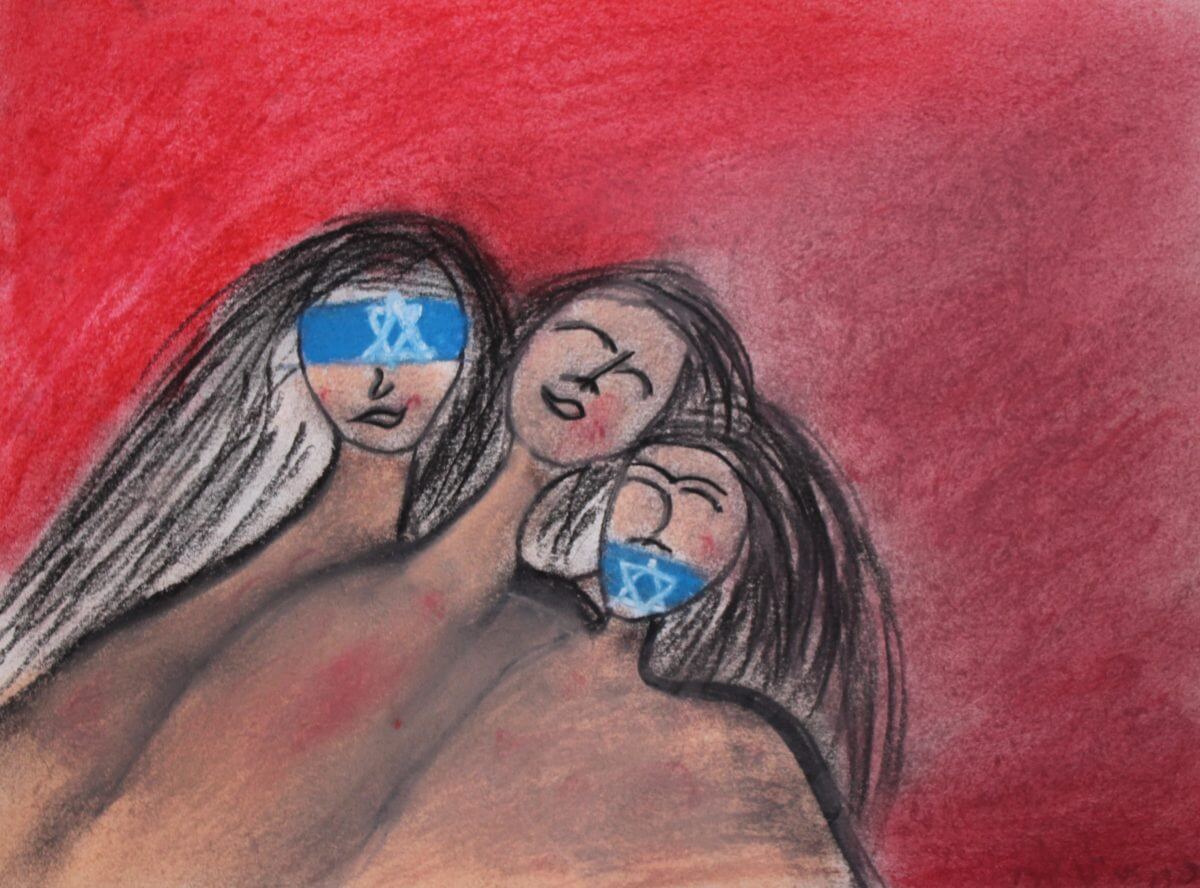
Palestinian poet Dareen Tatour shares drawings she made while in an Israeli prison after she was convicted for sharing a poem she wrote on social media, “I do not rule out that I could find myself in detention once again. This time perhaps for a drawing or a picture depicting the occupation, expressing resistance or my Palestinian identity and my home country.”
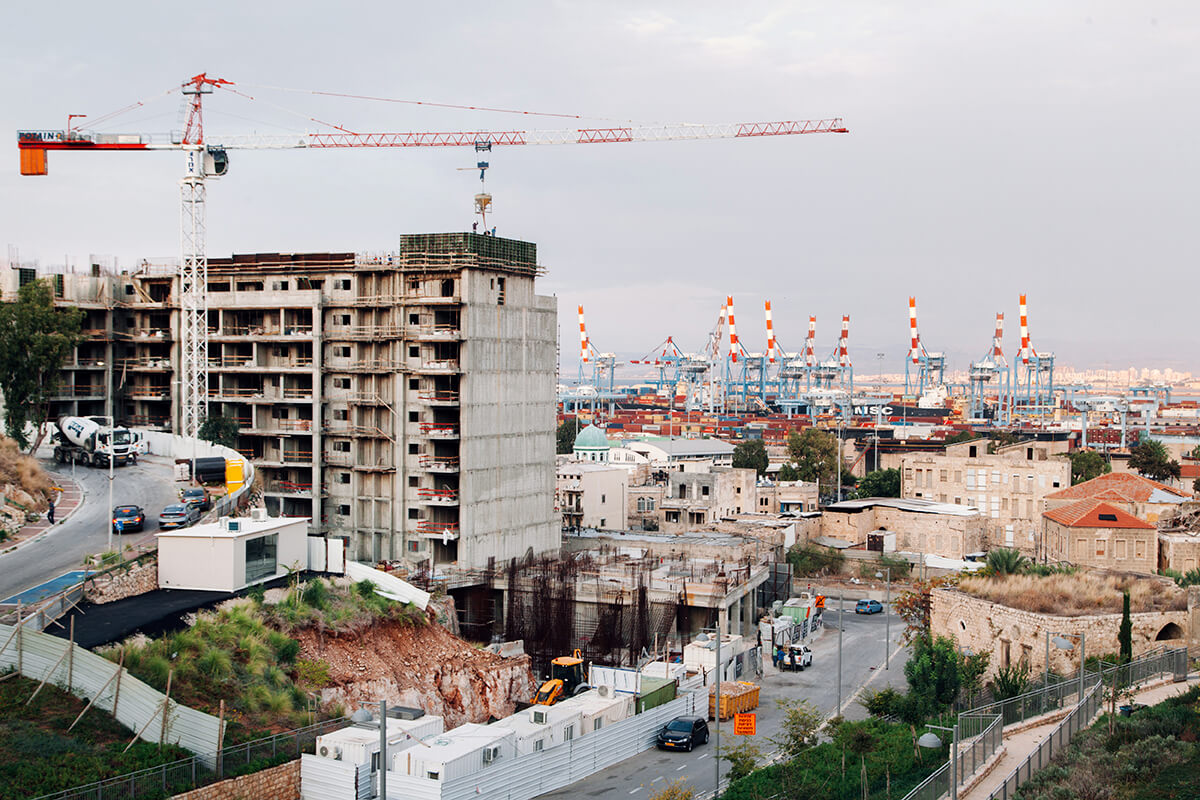
Israel’s Haifa municipality is unveiling major plans to transform the city in northern Israel into a Barcelona of the Middle East – a city with captivating ancient architecture redolent of a storied past. However, there is one problem: these homes belonged to Palestinians.
The Israeli parliamentary system is designed to prevent any challenge to Zionism. Thus, the upcoming elections are not going to bring any change that is meaningful for Palestinians under Israel’s control. Though Israeli opposition figure Tzipi Livni wants us to call election day “revolution” day.
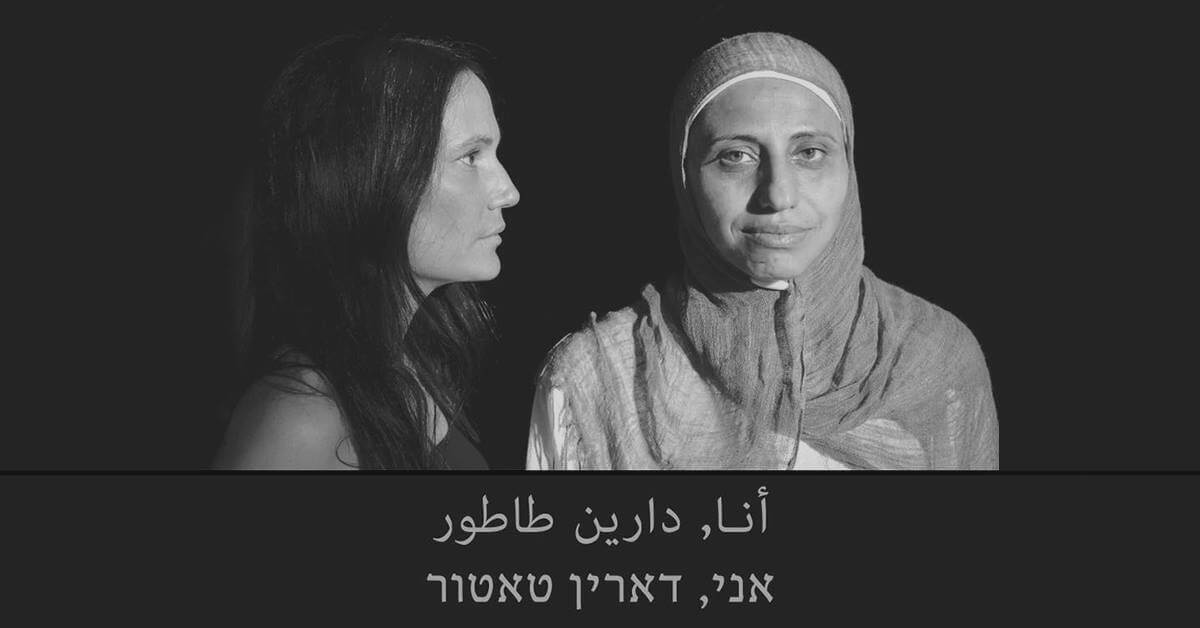
Palestinian poet Dareen Tatour and Israeli playwright Einat Weizman discuss a proposed new bill that will censor artwork deemed disloyal to Israel, “The chance Einat and I will both face legal pursuit increased.”
Palestinian poet Dareen Tatour writes, “After three years of prison, detention and political prosecution to which I have been subjected, here I am sitting in my room, freely caress my cats, touch life again and discover everything about it all over again as if I am living in a beautiful dream after a long nightmare . . . I entered prison for one poem but I was released with 101 poems.”
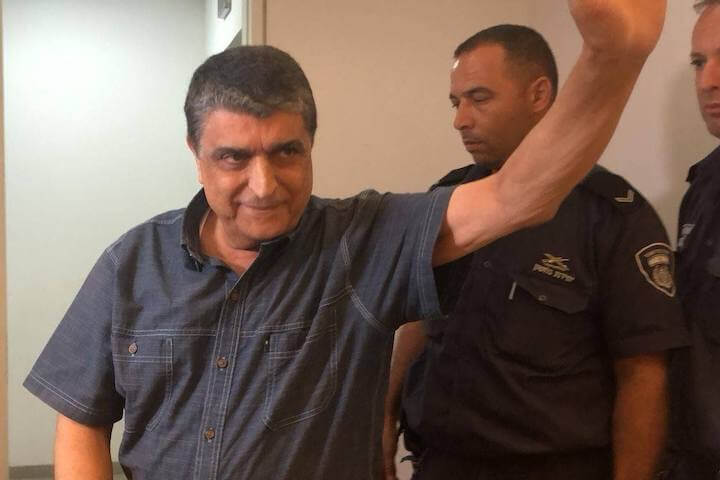
The remand hearing in the trial of Raja Eghbarieh, former secretary-general of Abnaa al-Balad movement, who is accused of “incitement to terrorism” following publications on Facebook, has become a fascinating legal battle that raises fundamental questions about the policy of the Israeli police and prosecution regarding the freedom of expression of Palestinian citizens of Israel.
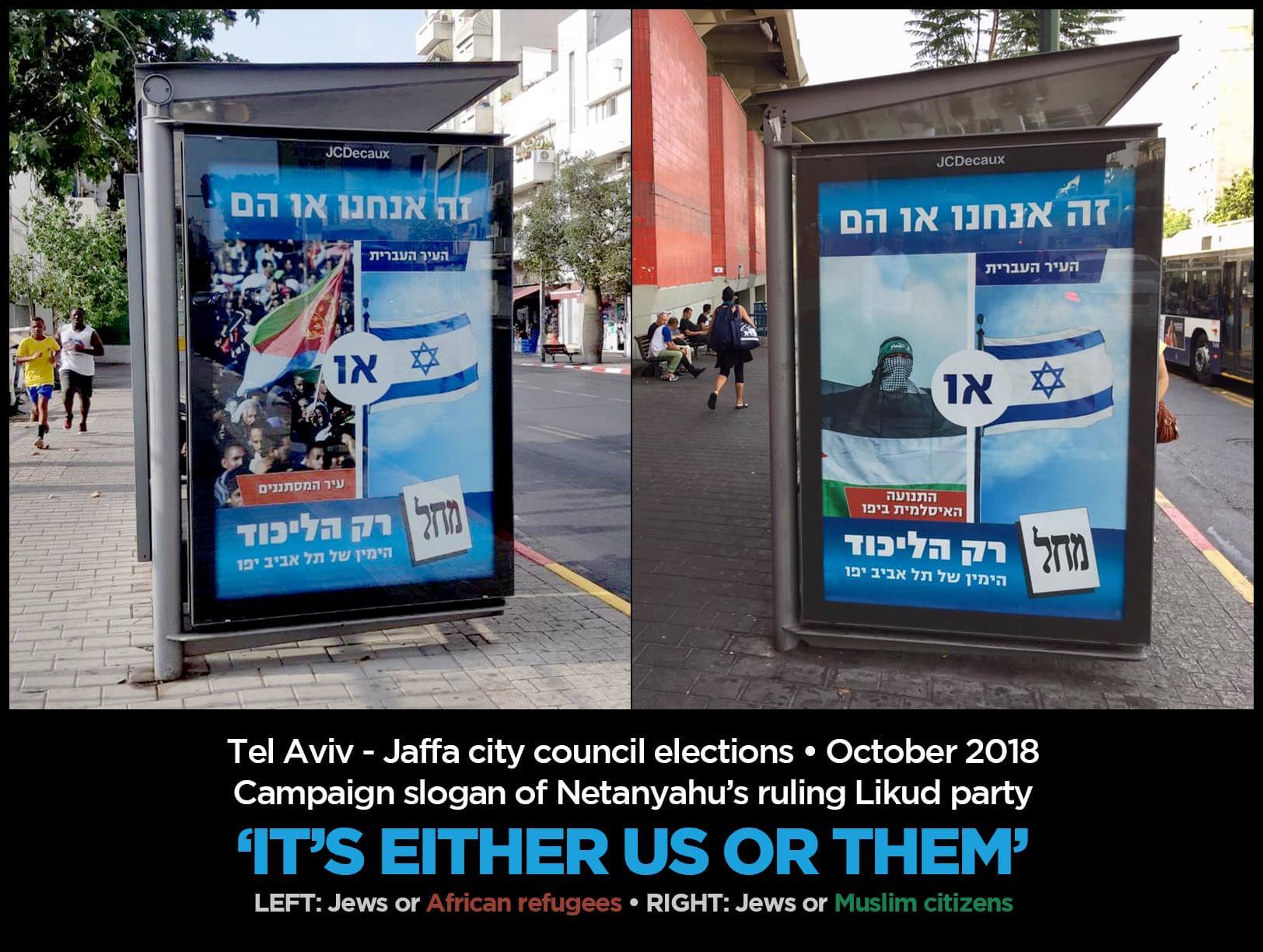
“It’s us or them”, says a new Israeli election poster by Netanyahu’s party, Likud, suggesting that Jaffa can be either a “Hebrew city” or one taken over by the “Islamist movement”. The bus shelter ad in Tel Aviv features a fearful image of an Arab.
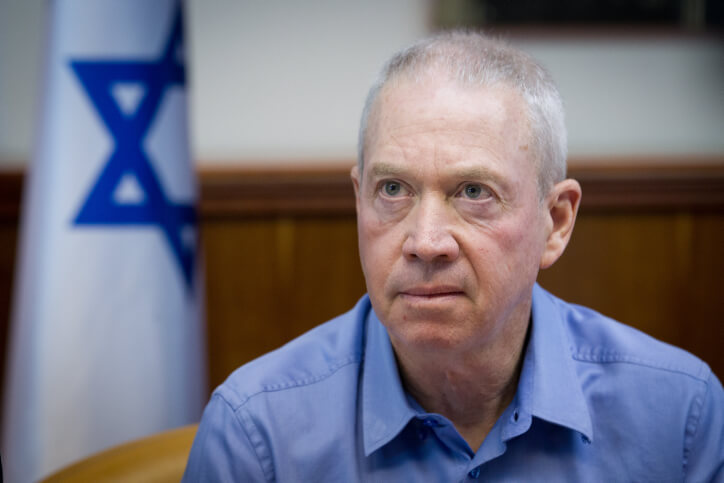
Your country for a country club! Israeli Housing Minister Yoav Galant inaugurated a swimming pool and country club in the Bedouin town of Rahat and made clear that the gift has a political price, accepting the Jewish nation state law and the higher value it gives to Jewish settlement of the land.
In her first address in an American synagogue since becoming a Member of the Knesset, Aida Touma-Sliman ripped into the new Jewish Nation State Law, which she said normalized discrimination and Jewish supremacy, and finally dispensed with equality as a normative value of Israel. “I meet a lot of Jews back home who say we need a Jewish State as an insurance policy, in case something goes wrong,” she told the audience at Temple Israel of New Rochelle. “But why should I pay the price of your insurance policy?”