European opposition to Israeli annexation plans mean nothing to Trump or Israel because Europe hasn’t articulated “a single concrete sanction,” says Lara Friedman of the Foundation for Middle East Peace. And Democratic opposition to annexation is just as “soft,” she says, and therefore if you hope that annexation can be turned back, “hope would be deeply, deeply misplaced.”
Permits for Gaza’s sickest patients to receive treatment in Israel and the West Bank ended abruptly on May 19 when Palestinian President Mahmoud Abbas announced an end to coordination with Israel. Since then two infants have died in the Gaza Strip awaiting permits for medical treatment in Israel, a tragedy that Palestinians anxiously fear could expand in the coming weeks.
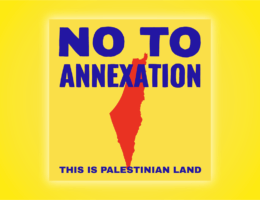
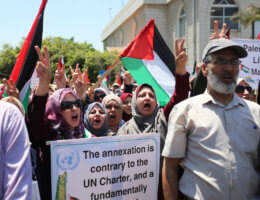
With every passing day, the prospect of annexation and what that means for Palestinians living under occupation becomes more and more unclear. What exactly happened, and what’s going to happen in the near future? We answer some of your questions here.
Israel’s leading governing party, Likud, is secular, but its leaders parrot biblical statements about the Jewish people’s supposed right to lands in Palestine as history, such as that Abraham bought land in Hebron. These religious nationalist claims underlie the government’s desire for annexation, though the U.S. press never talks about this zealotry.
The beltway consensus on military aid to Israel is finally beginning to face a legitimate political challenge. There’s obviously still a long way to go, but it’s telling that so many Democrats now feel they can safely challenge aid without facing disastrous political consequences.
The only variety of Zionism still on offer is the ethno-nationalist creed of Benjamin Netanyahu and the many politicians in Israel who sit to his right in the Knesset. And with annexation, we are about to begin the final phase of the Palestinian people’s long and tortured dispossession.
From lock down inside of Hebron Badia Dwaik writes, “While we do not know when Netanyahu will resume his annexation bid, our crisis is not over.”
Anyone who thinks that stopping the next Israeli annexation of additional parts of the West Bank would bring peace closer would be well-advised to peel away the veneer of democratic façade, one that covers an Israeli plan with only one goal in mind—completing the campaign of ethnically cleansing Palestinians—on both sides of the Green Line—that started with the creation of the State of Israel.
The threat of political disaster and an uncontrollable outbreak are pulling ordinary Palestinian citizens in different directions, with little guidance from the government and leaders as to what the near future might look like.
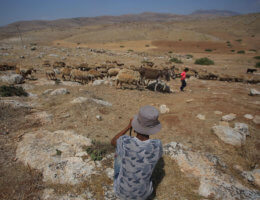
As annexation day approaches, Palestinians on the ground are gearing up for a new reality, one they say they’ve been forced to get ready for for years. Zayd Sawafta, a farmer and mayor of the small village of Bardala, tells Mondoweiss that even when annexation does go through, Palestinians aren’t leaving. “We have learned from experience,” Sawafta says. “They will do everything they can to kick us off this land and take it for themselves, but this time, we are not leaving.”