Israeli forces killed six Palestinians across the occupied West Bank between Wednesday and Thursday, including at least one minor, bringing the Palestinian death toll since Sunday to ten.


Israeli forces killed six Palestinians across the occupied West Bank between Wednesday and Thursday, including at least one minor, bringing the Palestinian death toll since Sunday to ten.
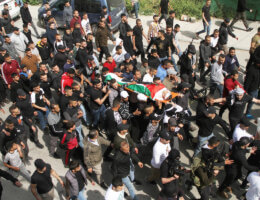
The Israeli military killed four Palestinians in four separate incidents across the occupied West Bank between Sunday and Monday, including one teenager, and a widow of six children who was unarmed when she was shot.

Palestinians woke up on Tuesday morning to the news that Israel had killed three more Palestinians, including one minor, in three separate incidents in the occupied West Bank and southern Israel.
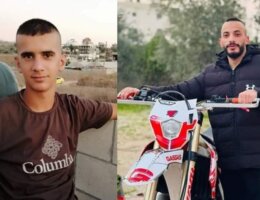
Israel killed three Palestinians on Tuesday in two separate incidents in the occupied West Bank, bringing the total number of Palestinians killed by Israel since the start of this year to 15.

This week dozens of House members have met with Israeli leaders and tweeted praise for the country as police continued to clash with Palestinian protestors in occupied East Jerusalem, where multiple families face displacement.
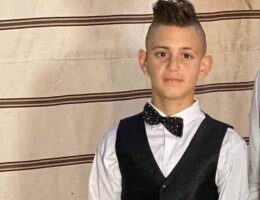
The Israeli army claimed its soldiers shot Mohammad Rezq Salah as he was allegedly throwing a Molotov cocktail at cars on the highway, but his family says he was 300 meters away from the location when he was shot.

Israeli forces shot and killed a Palestinian teenager in the occupied West Bank village of Nabi Saleh on Tuesday afternoon, bringing the total number of Palestinians killed by Israel over the past week to five.

It is not enough to be “technically” truthful, when the full truth of the matter is often right in front of us. Choosing to say that people like Hamad, al-Hathalin, and Asaad were not is an injustice to their memory, and to all the other Palestinian victims who have “died” as a result of Israel’s occupation.
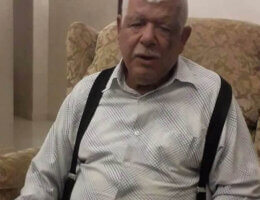
The Israeli army concluded its investigation last week into the death of Omar Asaad, an 80-year-old dual Palestinian-American citizen who was killed during a violent Israeli raid on his hometown in the occupied West Bank in January. The internal army investigation, which came after mounting pressure from US officials, concluded that Asaad’s death was a “grave and unfortunate event, resulting from a moral failure and poor decision-making on the part of the soldiers.” The US State Department, however, said they were not satisfied with the findings of the army’s investigation, nor with the disciplinary actions taken against some of the soldiers, and that they expect Israeli officials to carry out a “comprehensive criminal investigation.”
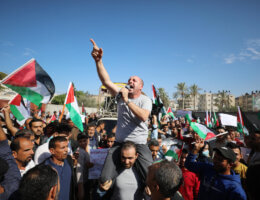
2021 was a watershed year for Palestinians. The struggle for Palestinian freedom and liberation saw unprecedented levels of global solidarity and unity amongst Palestinians despite their forced fragmentation. The year did not come without its challenges, however.