Activists Eyad Kishawi, Max Ajl, and Liliana Cordova-Kaczerginski applaud Jewish Voice for Peace’s recent statement outlining its “unequivocal opposition to Zionism,” but raise a critique that it gives credence to the idea that Zionism emerged from Jewish life, and was not a colonial ideology developed to expand western imperialism in Palestine. “Anti-Zionism is not merely criticism of current Israeli policies or even the idea of a Jewish nation-state,” they write, “It is a rejection of an imperially-imposed, racist, settler-colonial state.”
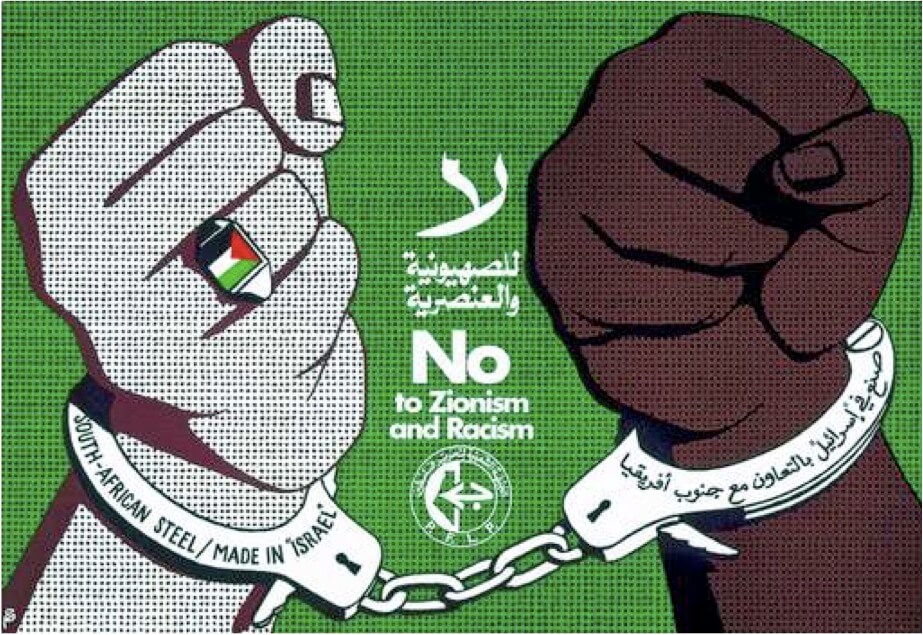
For 22 years after its founding Jewish Voice for Peace declined to take a position on Zionism. Now it has boldly stated that “Zionism has meant profound trauma for generations” and “We unequivocally oppose Zionism because it is counter” to “our vision of justice, equality and freedom for all people.” JVP member Robert Herbst writes that the landmark statement “helps restore in my Jewish heart and soul a modicum of pride.”
Just when anti-Zionism is becoming mainstream, Bari Weiss reads the pro-Israel hasbara playbook and says that all anti-Zionists are anti-Semitic, because they demonize the Jewish desire for a homeland and apply a double standard to 6 million Jews as opposed to the other 7 billion people on the planet. But the New York Times columnist is powerful and important.
Amos Oz was a great storyteller, and the last vibrant connection to the Shoah generation. In his work, he sought to ennoble Israel’s creation by using his parents’ story of fleeing Europe to show how unsafe Jews are in the west. He was an Israeli provincial, and his death is a great blow to Zionism, which has few idealistic lights left to uphold.
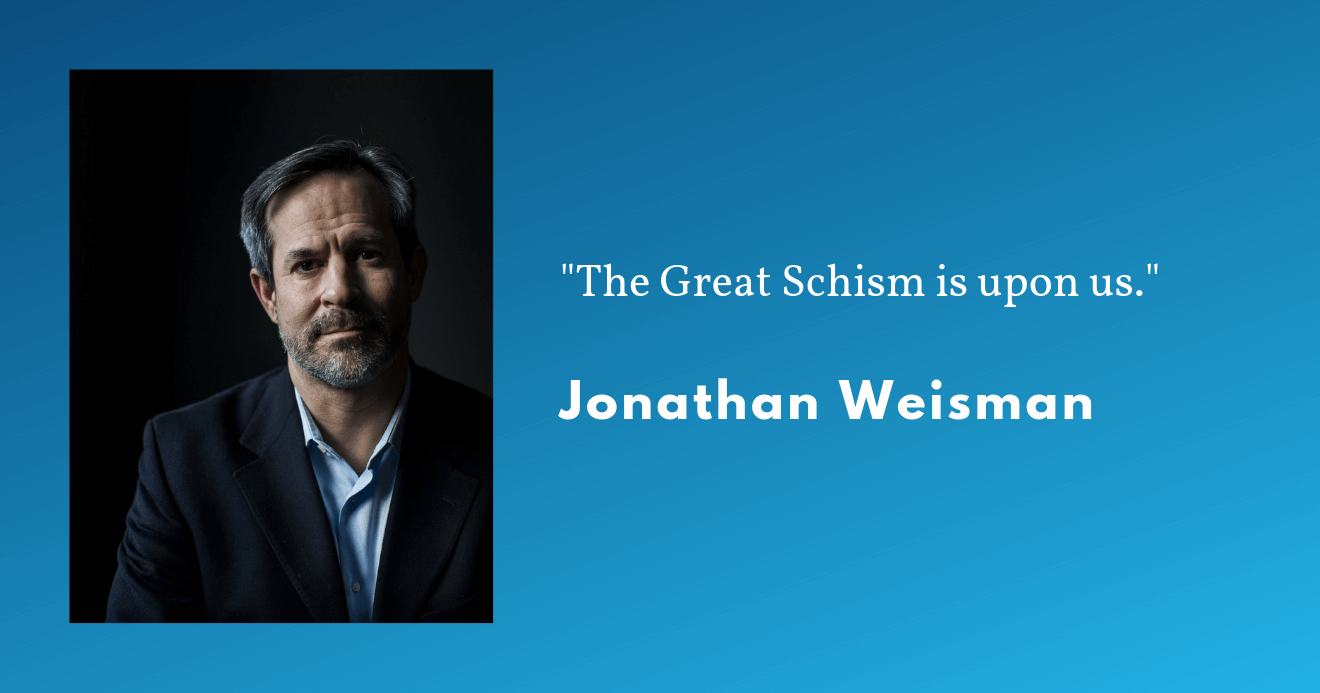
Jonathan Weisman, deputy Washington editor of the New York Times, dares to say that the two-state solution looks like “a cruel joke,” that some Jews regard equality in one state as a possible solution, and that BDS is gaining traction in the U.S. His article on the schism between US and Israeli Jews goes along with Michelle Goldberg’s column saying anti-Zionism is not anti-Semitism.
Happy new year from Mondoweiss! Here are our ten most read articles in 2018. This year we published more than 2,250,000 words across 1,254 articles which sparked more than 28,000 comments. If you appreciate what we do please considering becoming a supporter today to help us continue to grow our coverage of these critical issues. If you donate before the end of 2018 your donation will be MATCHED, doubling your impact.
On Christmas, Robert Herbst calls on Christians to intervene with the Jewish community over Israel. “Speak truth to our power. Talk to us critically about what we are doing to the Palestinians. Not once, not twice, but over and over again.”
Jonathan Ofir is a tourist in Portugal, contemplating how colonialism can become the past– and how it’s still a present-day reality in Israel.
US writers in intellectual journals bash Zionism. “It is anathema to say so,” Nathan Goldman writes in the Baffler, but Zionism is ethnonationalism, which is the opposite of liberal democracy; while Molly Crabapple writes in the New York Review of Books, “Jewish ethno-nationalism is a poison like all ethno-nationalisms.”
Avigail Abarbanel calls on liberal Zionists such as Rabbi Daniel Zemel to stop pretending to be nice and say clearly and unequivocally that they believe that the Jewish people have more right to survive than the Palestinian people, that Zionist forces were justified to kick 750,000 Palestinians out of their homes to create Israel.