Amid clashes in occupied East Jerusalem and Bethlehem, Israelli forces shot a Palestinian youth in Nazareth, killing him
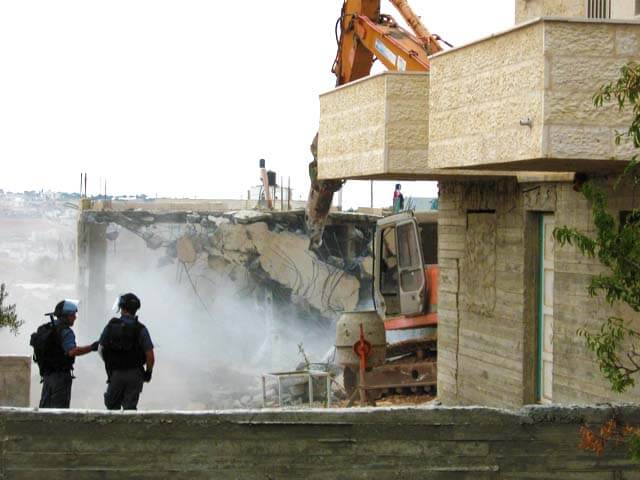

Amid clashes in occupied East Jerusalem and Bethlehem, Israelli forces shot a Palestinian youth in Nazareth, killing him

“2 Unite All” features 26 powerful musical tracks of healing and peace created in a wonderful and very accessible way for people around the world to support the besieged Palestinian community of Gaza. The album features Peter Gabriel, The Police’s Stewart Copeland, Grammy Award-winning opera singer Sasha Cooke, Rick Allen (Def Leppard), Country Grammy winner Gary Nicholson, Pearl Thompson (Cure/Led Zeppelin) and System of a Down’s Serj Tankian.

Photos from “Keep Your Eye on the Wall,” a book conceived and edited by Olivia Snaije and Mitchell Albert. It brings together seven award-winning artist-photographers and four essayists, including an introduction by Raja Shehadeh, all responding to the Wall in images or words specially commissioned for this book. The photographers present unique perspectives, whether documenting the journey of laborers across the barrier, the desolation of abandoned checkpoints, a surreal grey bulk cutting across a landscape or the tattered posters of “martyrs” on a wall in Gaza.
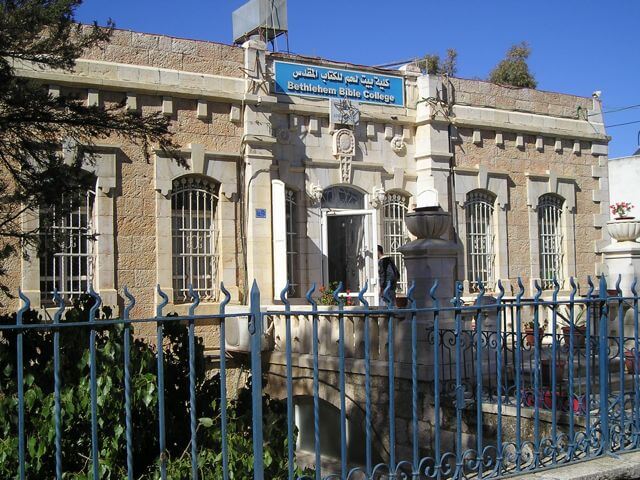
On October 26, 2014, the Jerusalem Post carried an article entitled “Bethlehem Bible College – purveyor of anti-Israel propaganda” in their Christian News section. The Rev. Alex Awad, a Baptist minister who works both for Bethlehem Bible College and The United Methodist Church, was personally named as part of “a blatant attempt to demonize Israel.” The article goes on to denounce a video the college produced on the bombing of Gaza. That the Jerusalem Post felt it necessary to publish this frontal attack on a well known Bible college is actually a good sign.
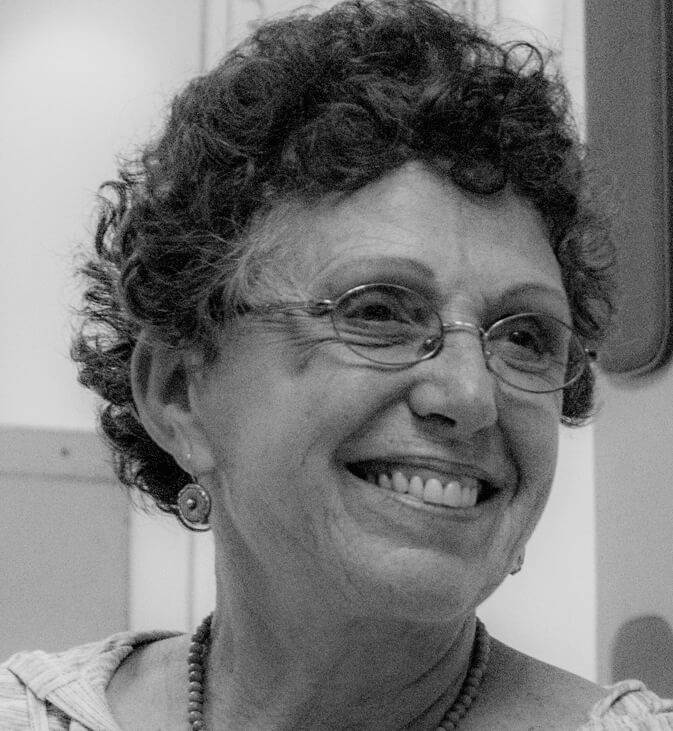
Tzvia Thier experienced many Zionist myths: she was a Holocaust survivor who made aliyah to Israel, she worked on kibbutzes, she taught in Hebrew schools in the US, she wrote Zionist texts, and her brother died fighting for Israel. But at 64, she experienced an “earthquake,” and today she is opposed to the idea of a Jewish state. Read her story.

Compared to its international counterparts, the U.S. labor movement has been slow to embrace BDS. On the grassroots level, however, things look different. This summer, hundreds of US labor leaders and organizers signed on to Labor for Palestine’s BDS statement. To add to these inspiring developments, on December 4th, UAW 2865, a union that represents 13,000 student workers across nine University of California campuses, will become the first U.S. union to hold a membership vote on joining the BDS movement. Similarly encouraging are recent solidarity actions in the San Francisco Bay Area, which show that, despite the ambivalence among some union leadership, rank-and-filers do not hesitate to stand in solidarity with the oppressed.
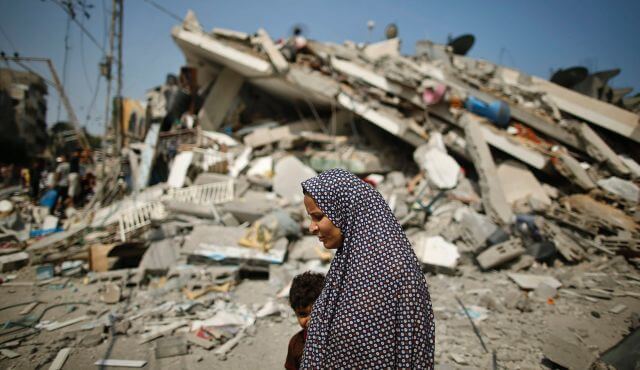
A haunting piece by young Gaza writer Enas Fares on the aftermath of this summer’s Israeli attack.

Today, International Criminal Court Chief Prosecutor Fatou Bensouda announced the body will not be prosecuting Israel for the deadly attack on humanitarian passengers of the Mavi Marmara although she has reason to believe that war crimes were committed by Israel. In a statement Bensouda said the case is not “of ‘sufficient gravity’ to justify further action.”
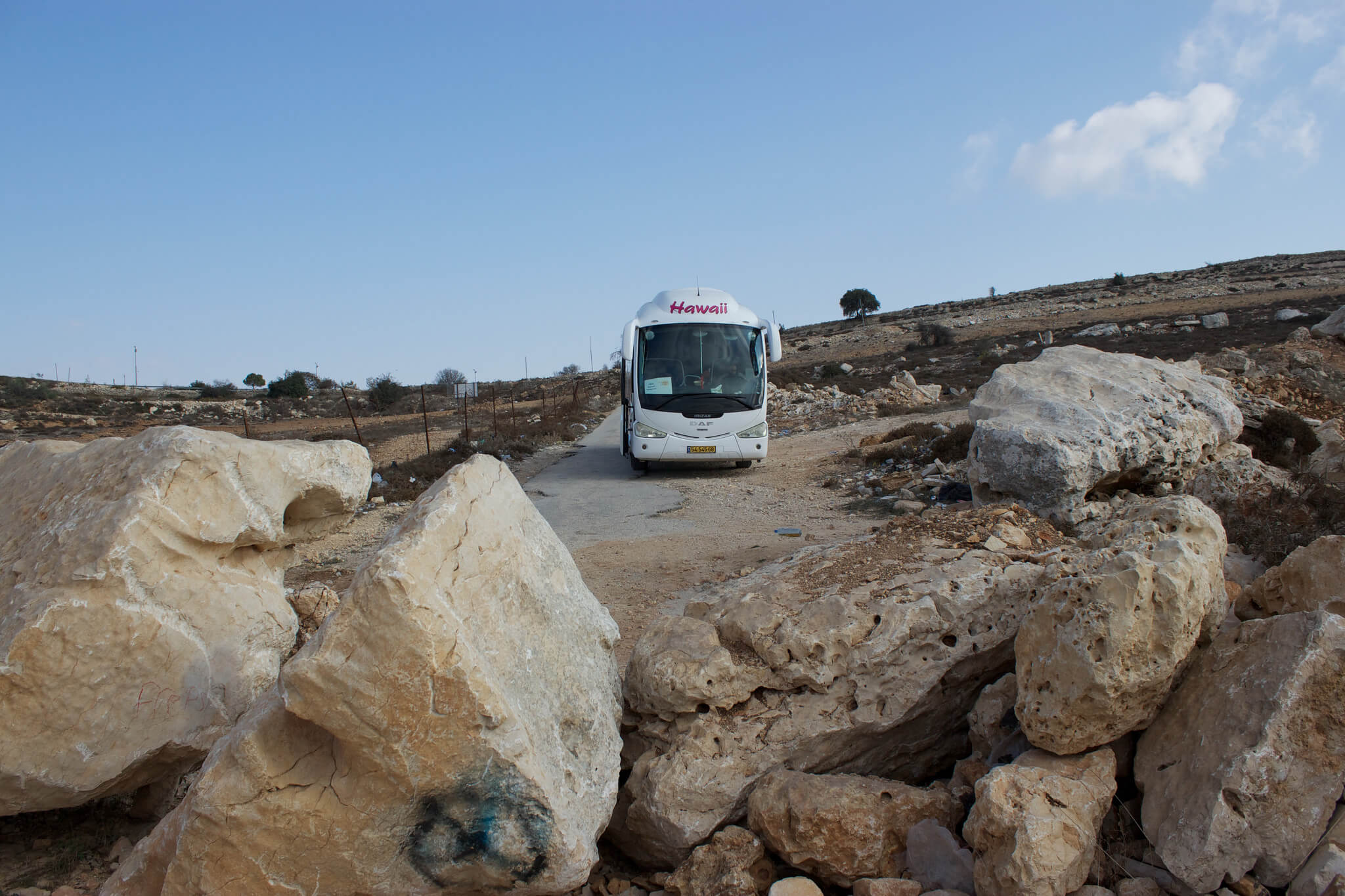
Madeline Buthod is a delegate on the annual Interfaith Peace Builders’ Olive Harvest delegation. She writes about visiting the Nassar family at the Tent of Nations near Bethlehem in the West Bank which is surrounded by settlements and the Israeli government is trying to take their land. Buthod says, “The Nassar family motto is, “Never give up hope”. In my opinion, they are the epitome of Sumud, which is Arabic for steadfast perseverance.”

The Institute for Middle East Understanding conducted an interview with Ingrid Jaradat Gassner on the current situation in Jerusalem. Jaradat Gassner is the Coordinator of International Advocacy and Public Relations for the Civic Coalition for Palestinian Rights in Jerusalem. She explains, “The root cause of the acute current crisis is the effort of all Israeli governments since 1967 to transform occupied East Jerusalem into a Jewish-Israeli city, through aggressive settlement expansion that has encouraged settler violence, and a myriad of policies that have deprived Palestinians of the basic elements of a dignified life, such as freedom of movement, having a home, family and income from work, and respect of their culture, heritage and religious sites. The more immediate causes of the current crisis are of course the events that have transpired since this summer, in particular the collective punishment of the Palestinian population, including mass arrests and severe movement restrictions that followed the abduction and murder of the three Israeli youth in the West Bank, the kidnapping and murder of Muhammad Abu Khdeir in Jerusalem, and the Israeli settler takeover of apartments in Silwan.”