Archive

July 2015

Browsing

Since yesterday when a video went viral that shows the German Chancellor Angela Merkel getting questioned from school kids as part of the government’s programme “Gut Leben in Deutschland” (Good Life in Germany), the brutality and hardship of European migration policy became a little more visible by what one teenage Palestinian refugee girl had so say. Unfortunately, the entire German news coverage is leaving out the fact that the refugee camp this girl’s family is supposed to be sent back to is not their home.


A video has gone viral on social media of German Chancellor Angela Merkel in a high school gymnasium bringing a teenage Palestinian refugee to tears after telling her that she is not welcome in Germany. What comes next is cringe inducing. Merkel tries to “hug” the teen named Reem Sahwil, 14, then settles on awkwardly stroking her arm. Thus, the hashtag #merkelstreichelt (Merkel strokes) along with images mocking the petting chancellor ensued.

For Israeli military and security firms, occupied East Jerusalem’s population of 300,000 Palestinians presents unique challenges to develop new methods of enforcing occupation. One firm has sold a Google Street View-style mapping system to Israeli military and police agencies used to plan operations in occupied East Jerusalem to the smallest detail.

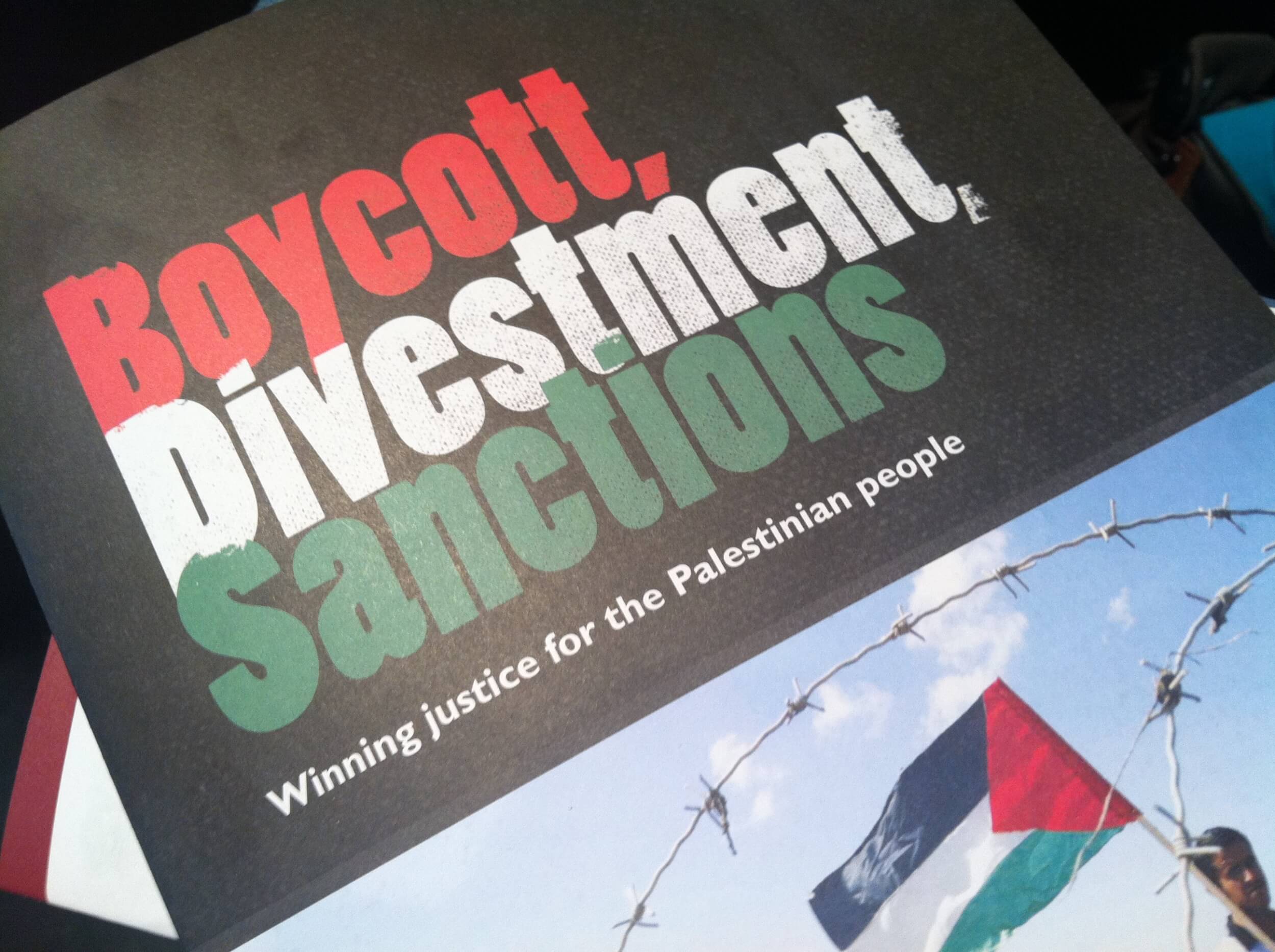
Marc Ellis writes about Reverend Naim Ateek’s strident and heartbreaking letter to the Episcopal Church expressing his disappointment that it failed to pass a resolution supporting divestment from the Israeli occupation.

Mike Daly interviews The Rev. Allie Perry about her experience as a delegate at the United Church of Christ General Synod, recently held in Cleveland, Ohio. Perry supported the resolution calling on the church to divest from the Israeli occupation which passed by an overwhelming margin of 508 to 124 with 38 abstentions. Perry says, “I hope people can see this as its own case study of how one, within one’s community, can organize to work on building the movement, until we get to a tipping point. I hope and pray and believe that that is happening.”

On 11 June 2015, the Israeli Anthropological Association passed a resolution, for the first time in its 42 year history calling for an end to the occupation, while simultaneously opposing the call for academic boycotts of Israeli academic institutions. Although the recognition of Palestinian rights is a necessary first step, both the timing and content of the statement raise serious questions about the sincerity of the organization’s newfound commitment to ending human rights abuses.