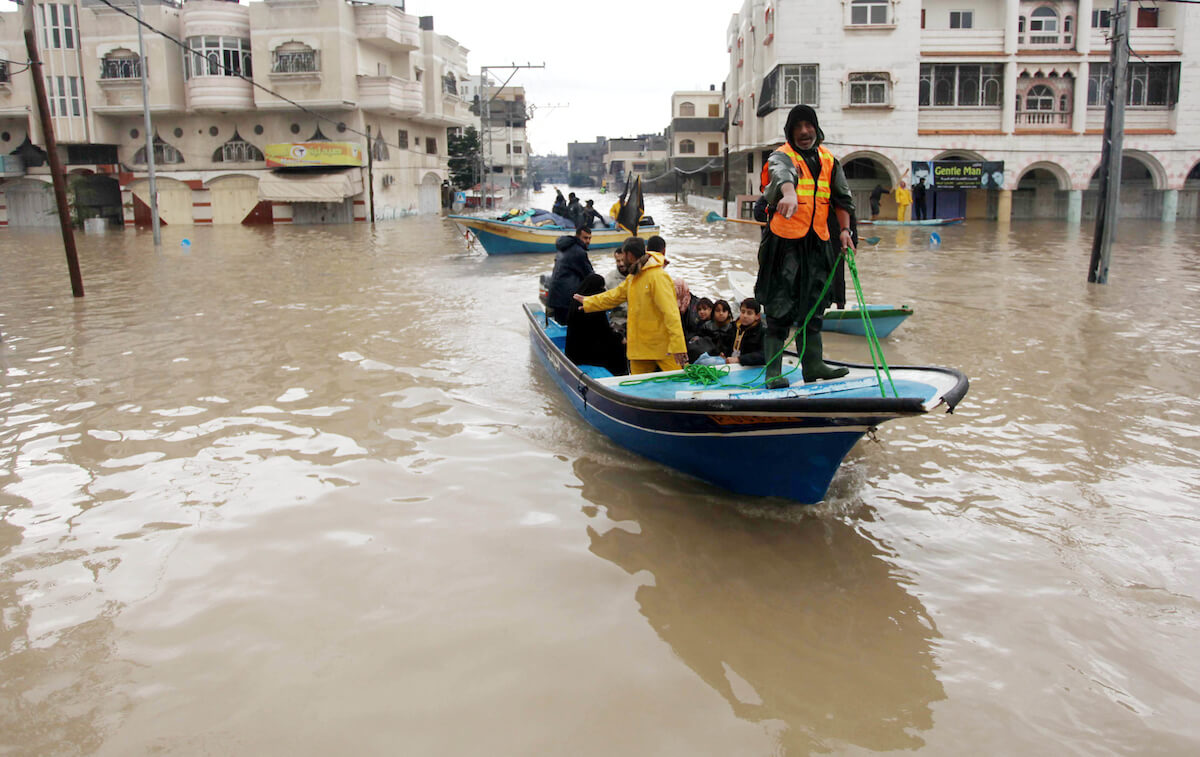
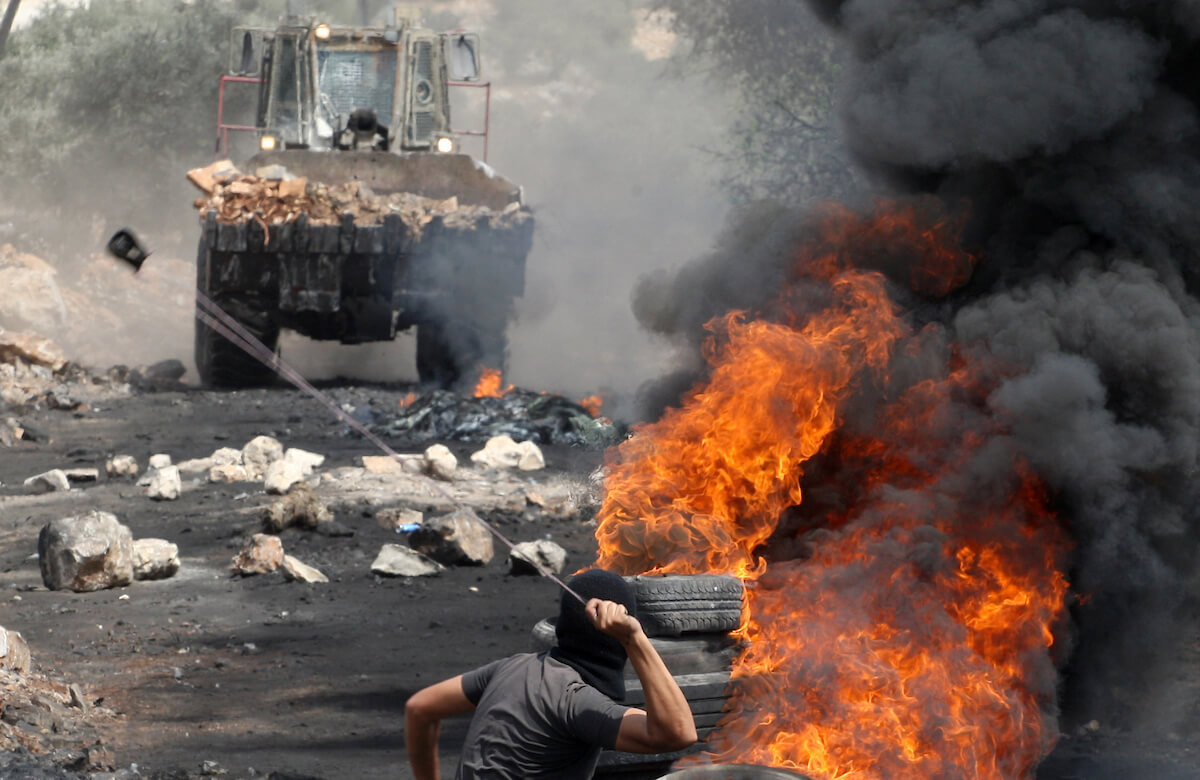
A biosphere refers to the interaction of all living things with the natural resources that sustain them. Mark Zeitoun and Ghassan Abu Sitta write that Gaza has become a “biosphere of war”, where “sanctions, blockades and a permanent state of war affects everything that humans might require in order to thrive, as water becomes contaminated, air is polluted, soil loses its fertility and livestock succumb to diseases. People in Gaza who may have evaded bombs or sniper fire have no escape from the biosphere.”
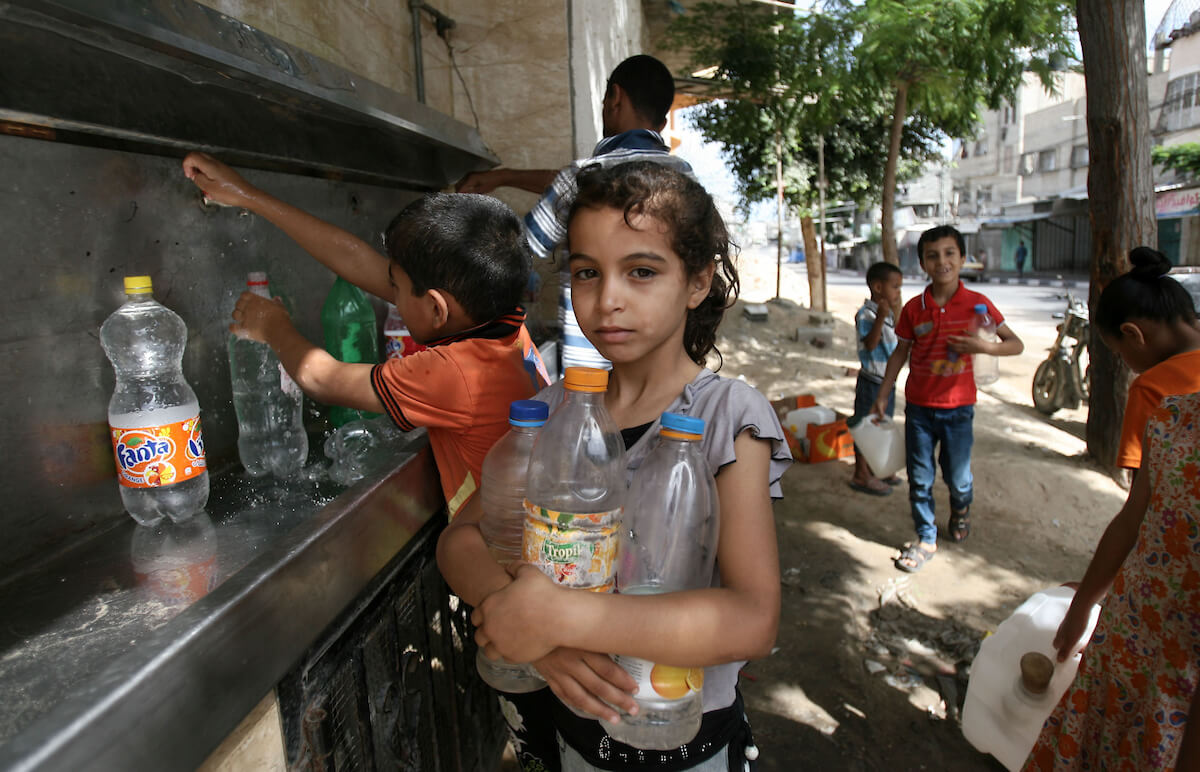
The shocking teachings of Israeli state military preparatory school rabbis: Hitler had it “100 percent correct” except his supremacy was directed against the wrong people, Jews ought to have Palestinians as slaves for genetic reasons, and the real Holocaust is humanism and pluralism threatening the Jewish state.
For the past 25 years or so I have had a running debate with Jewish friends, Is anti-Semitism over? I’ve argued that it is, given the incredible Jewish inclusion. I was wrong. Anti-semitism remains an abiding hatred, and Poway shows it’s recurrent.
Every month, Israel collects some $190 million in customs duties on goods being imported into the Palestinian territory and transfers it to the PA. But recently it has been withholding $10 million per month, meant to represent the amount paid by the PA to the families of political prisoners and “martyrs” killed by Israel. Palestinian President Mahmoud Abbas is refusing to accept the reduced tax revenues, which has plunged the government into its worst financial crisis in years. This is leading Israel to start discussing a plan of action should the Palestinian Authority collapse completely.
A surprising musical ensemble called Siraj in a Palestinian village in the Galilee has overcome discriminatory and cultural hurdles to put on professional performances and innovatively adapted some of the iconic pieces of Arab composers and singers from the 20th century, from Um-Kalthoom to Fairuz. Hatim Kanaaneh reports.
Should US peace processors be proud of failed efforts? Aaron David Miller writes to Martin Indyk: “Do you remember what Clinton said to us at end of the second briefing before Camp David. 2000? Trying and failing is better than not having tried at all. So inspiring and so quintessentially American.”
In her recent paper “Climate Change, the Occupation, and a Vulnerable Palestine,” Zena Agha outlines the threat that climate change presents to Palestine, how it is exacerbated by the Israeli occupation, and the steps being taken, or not being taken, to prepare for it. Adam Horowitz talks with Agha about what climate change means for the future of Palestine and the Middle East, and how it should fit into the Palestine solidarity movement agenda.
Yossi Gurvitz says that as long as we focus on occupied territories, of land, we are bound within the rules of occupation, where the occupier and his “security needs” will always win. Instead he proposes we should start speaking of the Israeli Military Dictatorship: “Avoid all discussions of sovereignty. They’re useless. Speak of night raids intended only to terrify people, of invading houses without warrants, of indefinite imprisonment without trial; speak of the horror lurking beneath all this. Speak, in short, not of territories but of people.”
“Sometimes I am asked where would I begin if I were to write a Jewish Theology of Liberation today from scratch?” Marc Ellis writes. “A Jewish Theology of Liberation might begin with an addition to Emil Fackenheim’s 614th commandment or, more to the point, the positing of another commandment,” he answers, “after the Holocaust and after Israel – and what Israel has done and is doing to the Palestinian people. The 615th Commandment? ‘Thou Shalt Not Murder Those Who Resist Your Oppression.'”