Nakba is 75 years of what is happening to us, not what happened.
Nothing remains. But in the traces– Everything remains.

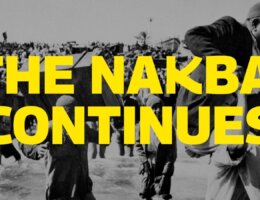
Nakba is 75 years of what is happening to us, not what happened.
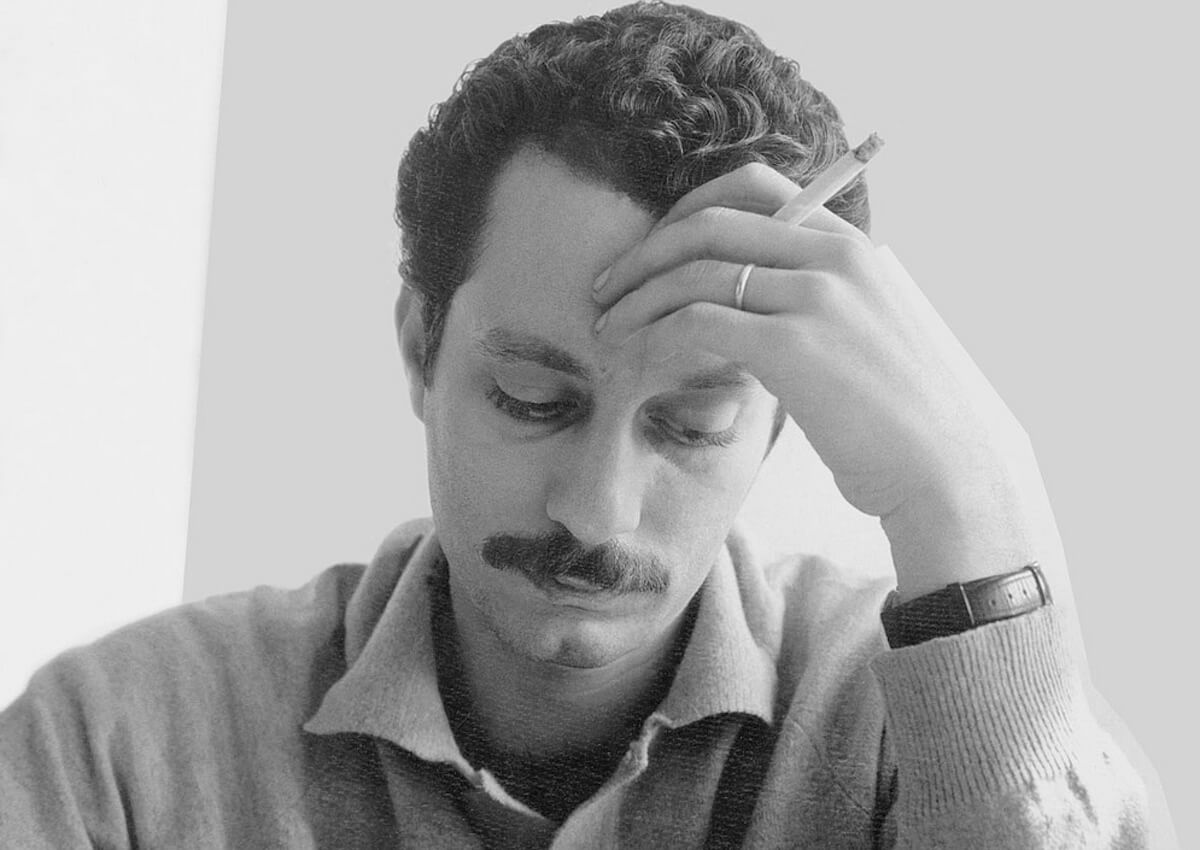
Nothing remains. But in the traces– Everything remains.
Complicated themes of exile, marginalization, death, and history recur throughout (post)colonial fiction. It is no surprise that Palestinian students in Gaza connect with them on a personal level.
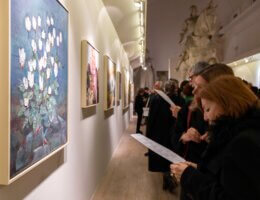
The Palestine Museum US in Woodbridge, CT is challenging the Zionist-Israeli narrative in the United States by telling the Palestinian story through the arts.
Isabella Hammad’s new novel, “Enter Ghost,” uses theater and the lives of Palestinians in the diaspora to uncover the relationship between culture and politics, colonialism and self-determination, and love and freedom.
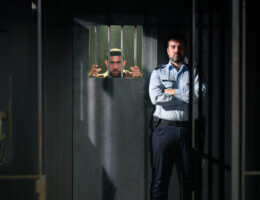
Jonathan Ofir interviews Israeli playwright Einat Weizman about her play “Prisoners of the Occupation” and how theater can become a vehicle for political mobilization and change.
“Once you see behind the veil of security, of law, of order,” co-producer Joshua Vis says in the film, “you cannot unsee what lies there. You cannot unsee the ugliness of oppression on the Palestinian people.”
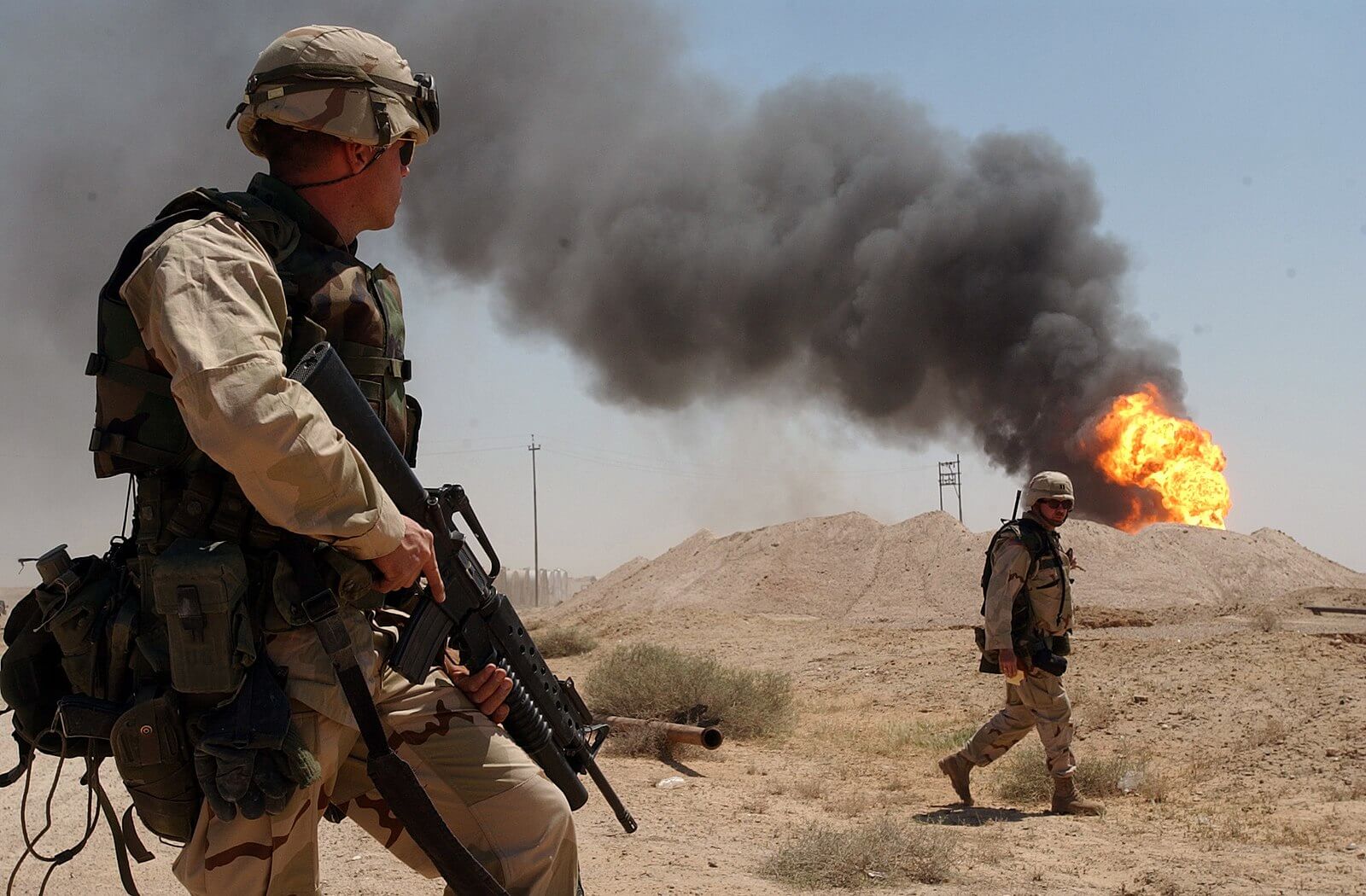
The wait is over for a brilliant, comprehensive account of the last two decades in Iraq. Ghaith Abdul-Ahad has written a masterpiece.

Israeli demonstrations have been Zionist-only. If Israeli liberals cannot make common cause with Palestinians, they will go extinct and have only themselves to blame. They will have thrown in with a rampaging society in the name of Jewish supremacy.

If one wonders how the nickels, dimes, and dollars collected in churches across the U.S. shape politics in Congress and Israel, director Maya Zinshtein’s film, ‘Til Kingdom Come, is required viewing.

Susan Abulhawa responds to the campaign to ban her from the 2023 Adelaide Writers’ Week festival.