A news story of Indian migrant workers who hid in a cement mixer to avoid a national lock down reminds Aarushi Punia of Ghassan Kanafani’s classic novella ‘Men in the Sun’
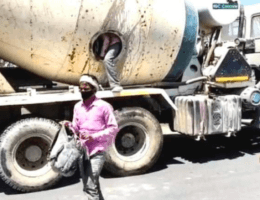

A news story of Indian migrant workers who hid in a cement mixer to avoid a national lock down reminds Aarushi Punia of Ghassan Kanafani’s classic novella ‘Men in the Sun’
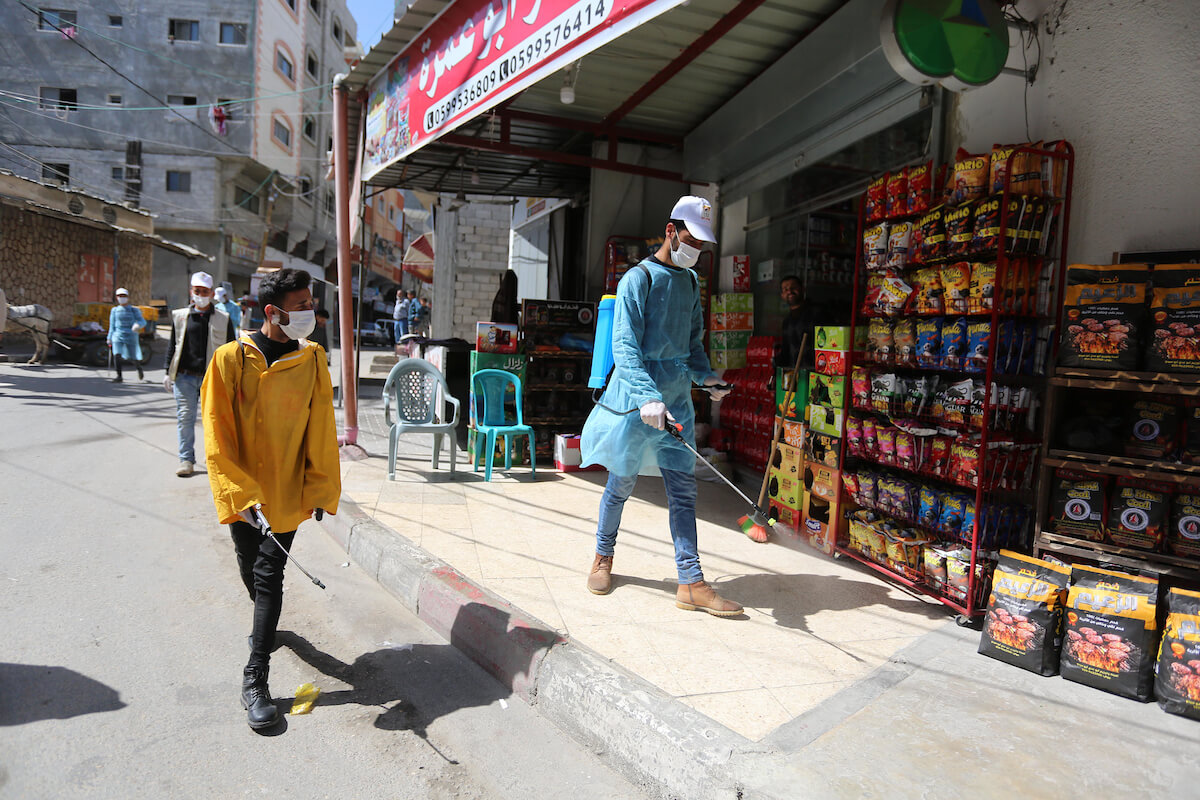
Two months ago the first cases of the coronavirus were detected in Bethlehem, and a state of emergency was declared in Palestine. Today, police checkpoints are unmanned, and the so-called nightly curfew has barely been enforced. Yumna Patel writes, “People seem to have reached their breaking point.”
Data on coronavirus in Palestine reveals a context of structural racism and apartheid, a reliance on military solutions, and a disregard for the health and lives of Palestinian people who matter less than their Jewish cohorts in the eyes of the Israeli government, Alice Rothchild writes.
Two Palestinians have died of COVID-19 related causes, far fewer than the 222 Israelis who have died from the virus.
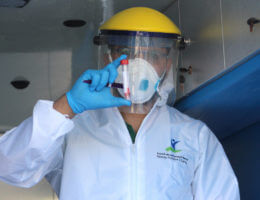
Mathematical models developed by Ines Abdeljaoued-Tej aim to determine the actual number of COVID-19 cases in Palestine, and predict the course of the epidemic. Those models currently predict between 11,014 and 113,171 cases of COVID-19 in Gaza and the West Bank, including East Jerusalem.
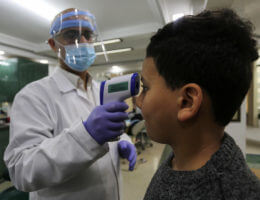
Dr. Tarek Loubani is using 3D printing to produce PPE for frontline workers in both Gaza and North America.
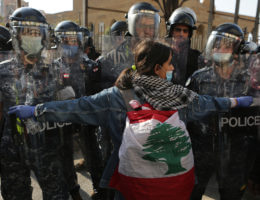
According to the World Health Organization there is a total of 175,883 confirmed cases of COVID-19 and 7,273 known deaths in the 22 countries that make up the eastern Mediterranean region.
Yumna Patel speaks with representatives of rights groups Al-Haq and Adalah – The Legal Center for Arab Minority Rights in Israel about how the rights of Palestinians in Israel and the occupied Palestinian territory continue to be violated on a daily basis during the coronavirus pandemic.

With the amount of movement and interaction increasing in Bethlehem, it seems like a ticking time bomb in the city, and inevitably the rest of the West Bank.
The Israeli government has been widely criticized for its use of cellular geolocation and other “counter-terrorism” technology to track the whereabouts of patients who tested positive for coronavirus.