It started with my morning scan of the selective English version of Haaretz, the Israeli…


It started with my morning scan of the selective English version of Haaretz, the Israeli…

News and analysis from the past week of Mondoweiss’s coverage of the coronavirus pandemic in Palestine.
Since the coronavirus outbreak began on March 5th, Israeli forces have arrested 357 Palestinians, among them 48 minors and four women.

Allison Deger talks with Safwan Fayyad, a 30-year-old senior resident and internist at the Ramallah Medical Complex, about being on the front lines against the coronavirus in the West Bank. “Until now we are keeping pace with the patient load,” Fayyad says, “but if we face a serious outbreak where a majority of people would get sick that would be a disaster here.”

A primer from an acclaimed Israeli historian, a beautiful novel that takes place during the 1967 war, and first-hand accounts of Israeli society and the devastation it has wrought in Palestine. Here are 10 more books on Palestine/Israel to read while you’re staying in.
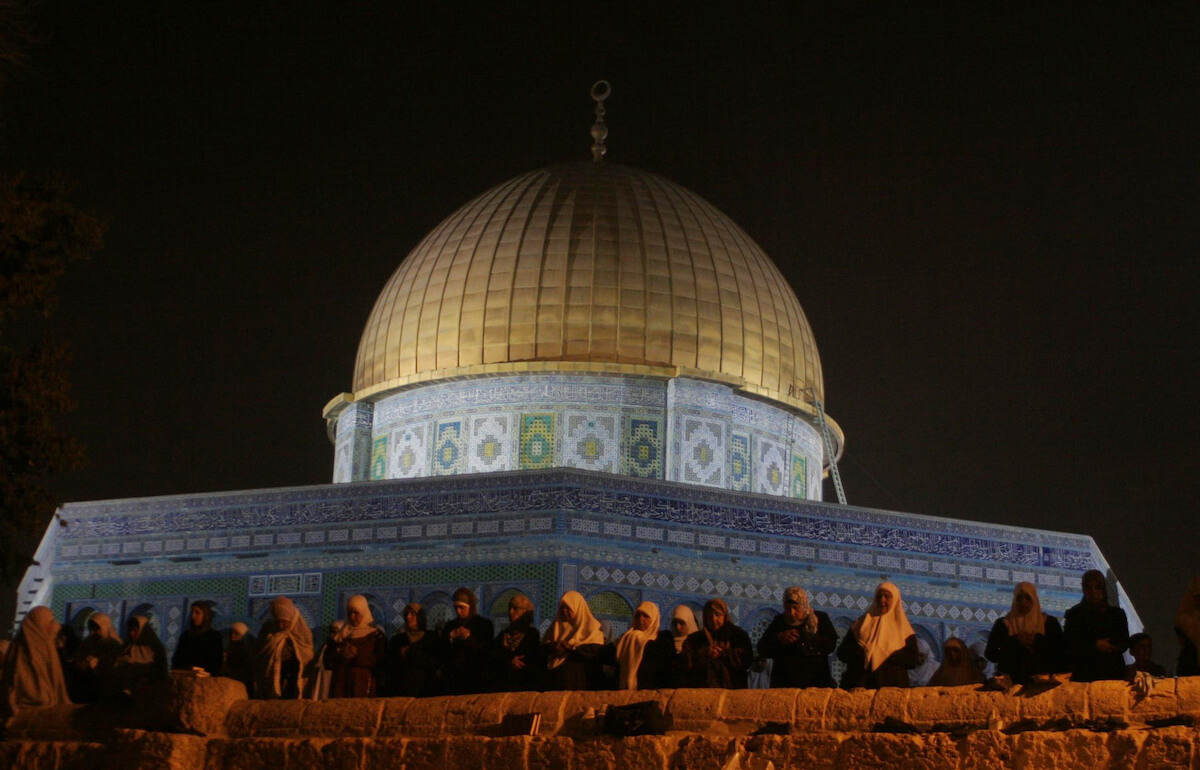
At a time when Palestinians would usually be flooding the markets doing Ramadan shopping and hanging festive lights outside their homes, the streets are empty, and the usual excitement and anticipation has been replaced with an air of sadness.
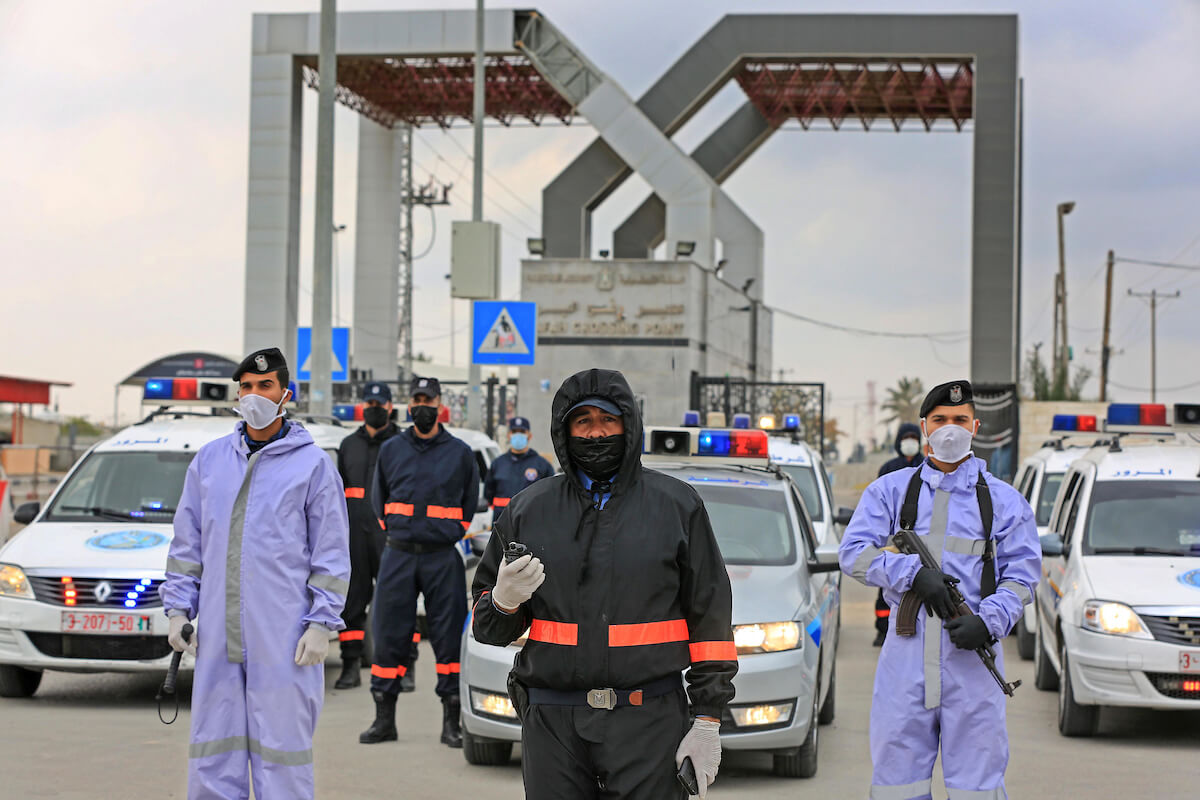
Gaza is entirely dependent on Israel and an international community preoccupied with its own troubles. But if the coronavirus does overwhelm Gaza, the truth about who is really responsible will be hard to conceal.
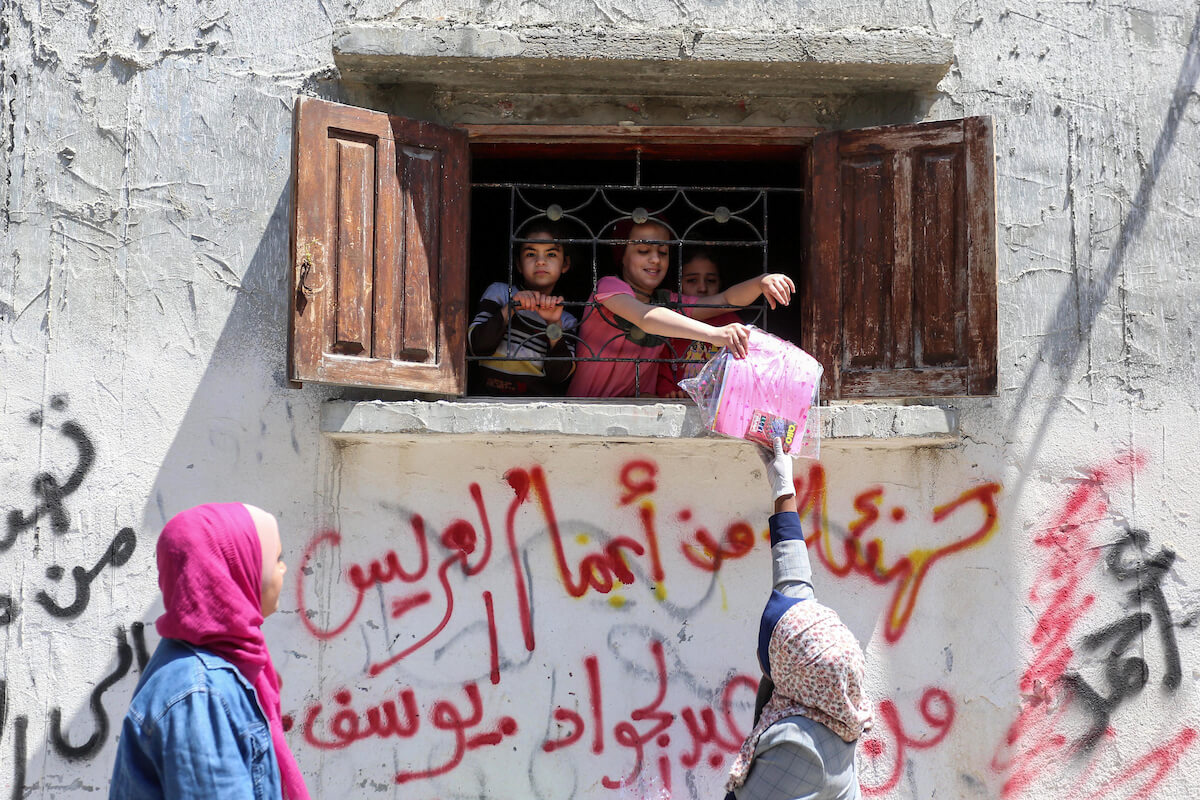
Asmaa Tayeh, who at 24 has never been outside Gaza, says the siege over Gaza provides no strategic defense against the coronavirus: “I really hated this notion, because the whole world was thinking we were safe, while we’re actually not. Just because you’re in an enclosed place doesn’t mean you’re safe. Because if we have any cases inside the Strip, our enclosure will help the virus spread even more.”
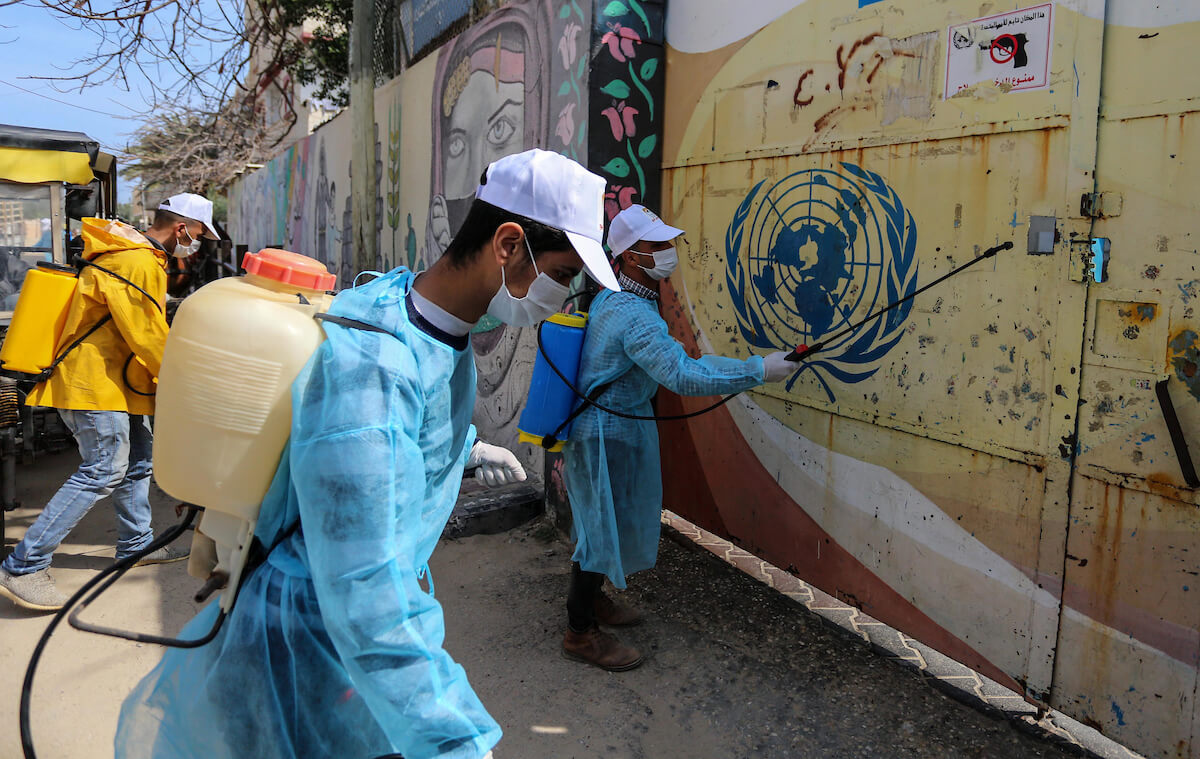
The United Nations Relief and Works Agency for Palestine Refugees (UNRWA) recently launched an appeal for $14 million in anticipation of a coronavirus outbreak in Palestinian refugee camps. It’s an indication of the dire financial straits the agency is in, particularly since the US – once its major donor – cut its annual $360 million donation in August 2018.

Palestinians are being overwhelmed with joy and sadness as Easter holidays and the beginning of Ramadan, times of celebration and togetherness, are being spent under quarantine.