For months, Palestinian farmers in the northern West Bank have watched their water lines cut and their wells marked for demolition in Israel’s slow strangulation of Palestinian agriculture, as farmers tell Mondoweiss “there is no tomorrow” for them.
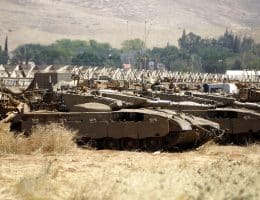

For months, Palestinian farmers in the northern West Bank have watched their water lines cut and their wells marked for demolition in Israel’s slow strangulation of Palestinian agriculture, as farmers tell Mondoweiss “there is no tomorrow” for them.
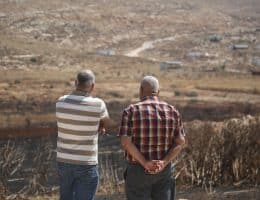
Israel’s “decisive” plan to annex the West Bank is coming to a head as the Israeli government pushes to depopulate Palestinian villages throughout the territory. Once a hub of resistance, the West Bank’s Palestinians now find themselves defenseless.
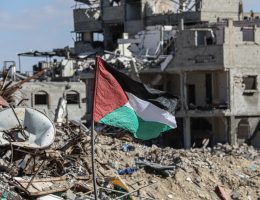
Israeli leaders recently announced plans to implement a “voluntary emigration plan from Gaza.” This echoes Zionists’ proposals since the 1800s to force Palestinians off the land. But they have always failed because Palestinians are the land.
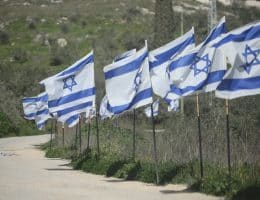
A new Israeli digital registry imposes de facto sovereignty over 60% of the West Bank. Palestinians must register under Israeli authority or risk losing their land, but Israeli legal loopholes are designed to invalidate their claims either way.
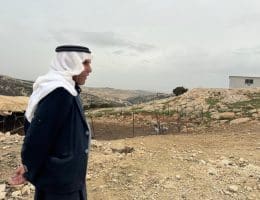
The “Shami neighborhood project” will ethnically cleanse the Bedouin population of Jerusalem’s eastern wilderness as part of Israel’s plan to take total control over the strategic “Greater Jerusalem” corridor, which would split the West Bank in two.
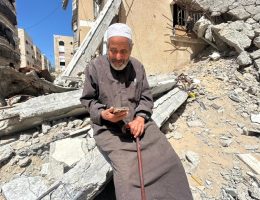
“Every moment I connect my life now to those years after the Nakba,” says 85-year-old Fatima Ibrahim Khalfallah. “This Nakba is more terrifying, more deadly, more destructive. . . The same hunger, thirst, and fear — but multiplied many times over.”

In 2025, Israeli settlers, backed by the army, displaced rural Palestinian communities in the West Bank at unprecedented rates. It is part of Israel’s escalating strategy to take control of as much of the territory as possible.

Israel has begun implementing its plan to end the Palestinian refugee issue by demolishing its most important symbol: the refugee camp.

The last family in the Palestinian village of Yanoun left their home last week, joining a growing list of communities that have been erased from existence through the establishment of Israeli “shepherding outposts” in their place.
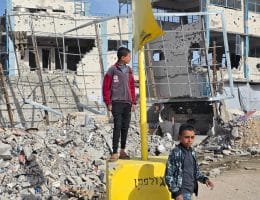
Israeli Army Chief of Staff Eyal Zamir’s statement that the “Yellow Line” dividing Gaza will be Israel’s new border shows that Israel’s plan in Gaza follows its history of redrawing its borders through ethnic cleansing and land grabs.