Israel’s strategic posture favors a constant state of war over political deals that might constrain future aggression. Its recognition of Somaliland is part of this strategy, and an attempt to plant the first flag of its would-be empire in Africa.

Israel’s strategic posture favors a constant state of war over political deals that might constrain future aggression. Its recognition of Somaliland is part of this strategy, and an attempt to plant the first flag of its would-be empire in Africa.
Palestinians are in a political crisis. With Palestinian society divided, and no unified national leadership to represent it, regional and global powers are drawing up plans for the future of Gaza and Palestine – without any say from Palestinians.
When I speak to friends and family in Gaza, it is impossible to have a conversation without talking about loss: loss of our homes, our livelihoods, and our loved ones. But even as we reel from two years of genocide, the hope of our people remains.
Growing up in Gaza, I didn’t realize that the siege I was living under was unique or that others didn’t face a constant threat of death. It was only after I left that I understood I had grown up in a concentration camp, and that it shaped my life.
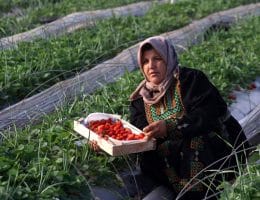
The Gaza Strip is renowned in Palestine for its bright red and delicious strawberries. Once a major agricultural export, Gaza’s fields of “red gold” have been decimated by Israel’s genocide.

Palestinian women in Gaza have faced widespread sexual violence during the Israeli genocide. Despite mountains of evidence, human rights groups face difficulties pursuing justice, as women live in fear of social stigma and reprisal from Israel.
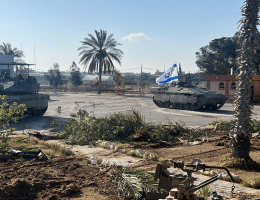
Gaza’s Rafah border crossing was supposed to reopen in October as part of the ceasefire agreement. But the border remains closed, keeping Gaza shut off from the outside world and preventing families from reuniting with loves ones.
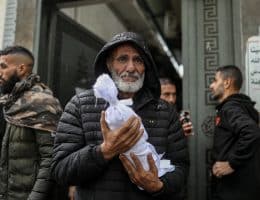
Severe weather conditions in Gaza have claimed the lives of 13 people, including babies who froze to death, as Israel continues to block the entry of aid that could provide shelter to 1.5 million Palestinians living in worn-out tents.

Israeli military chief Eyal Zamir says Israel views the “Yellow Line” dividing Gaza as its new border. Palestinians in Gaza report widespread demolitions east of the line, reshaping Gaza’s landscape through force in what they call a “second Nakba.”

Yasser Abu Shabab had become an infamous figure in Gaza over the past two years for his role in collaborating with the Israeli army, looting aid convoys destined for starving Palestinians, and sowing social strife amid the genocide.