The Israeli army continues to kill people in Gaza on a daily basis. Warning the victims does nothing to stop it.
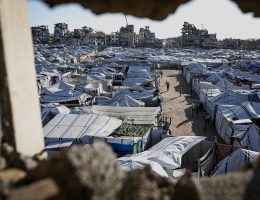

The Israeli army continues to kill people in Gaza on a daily basis. Warning the victims does nothing to stop it.
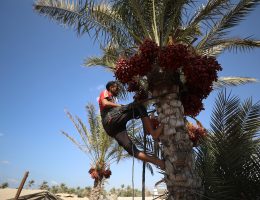
Israel’s genocidal war on Gaza has reached even the smallest sources of livelihood, destroying agricultural traditions that Palestinians have been practicing for centuries.
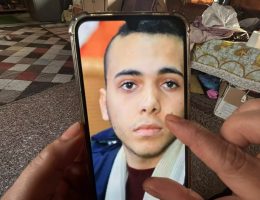
More than a year after the October 2025 ceasefire, Palestinian families are still searching for loved ones who vanished during Israel’s genocide in Gaza.
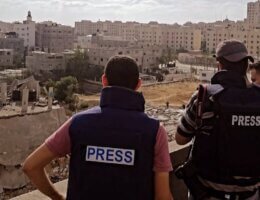
Freelance journalists in Gaza are risking their lives to document the genocide, often with no protections from the news agencies that hire them and rely on their work.
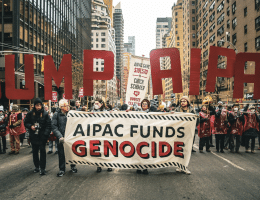
Eli Clifton speaks to Mondoweiss about the upcoming U.S. midterm elections, the shifting landscape of AIPAC, and his new book, Israel’s Lobby: America in the Grip of a Foreign Power.
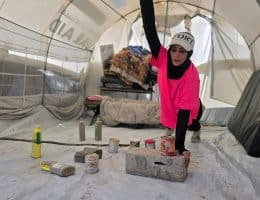
In Gaza’s displacement camps, survival has bred a new economy: a gym owner forges weights from empty cans, a supermarket owner turns baker, a housewife becomes a street vendor — each person rebuilding a livelihood from the wreckage of genocide.

Before the genocide, Gaza’s residents carried their TVs into the streets to watch the World Cup with their neighbors. Today, following a match requires electricity that many don’t have, and money that most people can’t afford.

An Israeli attack on her shelter caused the amputation of both of Nibal’s hands, forcing her to lose the thing she held most dear: the ability to hold her young daughter. Her story is one of hundreds of amputee women in Gaza.

The International People’s Tribunal on Palestine held in Barcelona presented striking evidence of Israel’s forced starvation of the Palestinian people and the deliberate destruction of food security in Gaza.
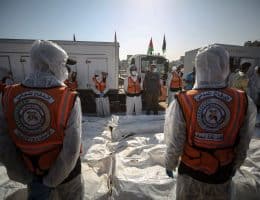
The Gaza Ministry of Health published photos of the mutilated bodies of Palestinian prisoners. Most of them showed clear signs of torture — hands and feet bound, blindfolded, bodies showing marks of tank tracks, burns, fractures, and deep wounds.