Israel’s latest attack on Lebanon represents an expansion of its Dahiya doctrine which intentionally targets civilians to send a political message.


Israel’s latest attack on Lebanon represents an expansion of its Dahiya doctrine which intentionally targets civilians to send a political message.

The widespread Israeli attack that led to the detonation of thousands of pagers across Lebanon came after rumors that Netanyahu seeks to replace his defense minister due to his opposition to war with Hezbollah.

Hezbollah launched its retaliatory attacks against Israel for the assassination of its senior commander, Fouad Shukr, targeting several military bases and Israel’s cyber warfare Unit 8200. Here’s what you need to know.
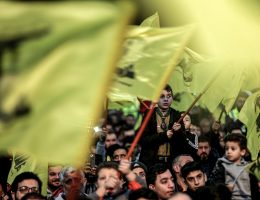
During the past week, Israeli jets have been flying very low over Lebanon, a constant reminder of the looming threat of war. “If they want to wage war on us, so be it. Perhaps it could lessen the pressure on Gaza,” my mother says.

Hamas demands a plan to implement the original ceasefire deal proposed by the U.S. last July ahead of a new round of negotiations set to start this week.
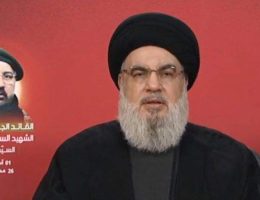
In a strident speech on August 1, Hezbollah leader Hasan Nasrallah said that the fighting with Israel has “entered a new phase” that goes “beyond supporting Gaza,” vowing an “inevitable” response to Israel’s Beirut bombing.

Israel’s assassination of Hamas and Hezbollah leaders doesn’t aim to weaken the resistance. Its real motive is to restore the image of military and intelligence superiority in the eyes of the Israeli public.

Yumna Patel talks to Qassam Muaddi and Abdeljawad Omar about the implications and impact of the Israeli assassinations of Hamas leader Ismail Haniyeh and Hezbollah senior commander Fouad Shukr.

The killing of the 12 Syrian children in the Golan Heights brought the Syrian Druze of Majdal Shams into confrontation with Israeli authorities, after Israel’s attempt to manipulate the tragedy to stoke further confrontation with Hezbollah.
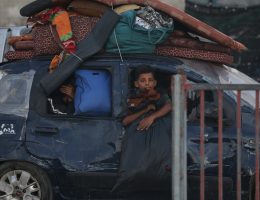
Israeli officials say that Netanyahu is behind Israel’s hardened position preventing a ceasefire deal as a new round of talks in Rome concludes without a breakthrough.