Giving Israel $1 billion in fungible money for a weapon system will only encourage further war crimes. The progressive legislators who wanted to remove those billion dollars from the spending bill were doing the right thing.


Giving Israel $1 billion in fungible money for a weapon system will only encourage further war crimes. The progressive legislators who wanted to remove those billion dollars from the spending bill were doing the right thing.

The final two prisoners who escaped Israel’s maximum security Gilboa prison earlier this month were recaptured over the weekend by Israeli forces, bringing an end to what Palestinians are now remembering as the “great tunnel escape.”
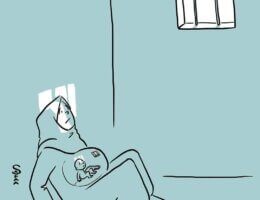
Anhar al-Deek was released on 40,000 NIS ($12,500) bail and ordered to house arrest, after appeals from Palestinian officials, human rights groups, and growing attention surrounding her case on social media.

Israeli forces shot and killed 15-year-old Imad Khaled Saleh Hashash during a raid Tuesday morning in the Balata refugee camp. Hashash was watching the raid from the roof of his house when he was shot in the head.

Protests have continued in the Palestinian village of Beita against the establishment of a settler outpost on the village’s land. Israeli forces have continued to violently suppress protests, killing two more Palestinians over the past month. “For more than 100 days we have been resisting against the occupation and the settlers,” Abed al-Fattah Hamayel, a local activist in Beita, told Mondoweiss. “And everyday the situation is becoming even more volatile. The soldiers are just waiting for any excuse, or just the right moment to kill anyone.”
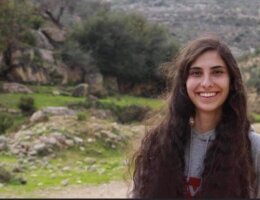
Birzeit student Layan Nasir is currently being imprisoned at Israel’s Damon Military Prison with seven other female students. Rev. Fadi Diab says the story of her baptism as an infant to her detention as a university student reveals the arbitrariness of the Israeli occupation.
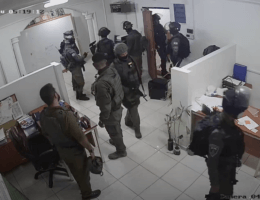
Israel has stopped arguing for years the actual content of human rights reports or allegations directed at its conduct. Instead, Israel’s strategy is to simply attack human rights organizations themselves.
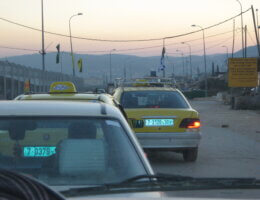
Many of the wounds of the Israeli occupation are bloodless and invisible. But like pieces of shrapnel lodged in the chest, they will eventually find their way to pierce the heart.
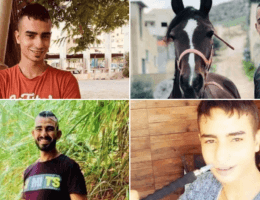
Israeli forces shot and killed four Palestinian young men, including at least two teenagers, during military raids on the Jenin refugee camp in the northern occupied West Bank early Monday morning. According to the UN Office for the Coordination of Humanitarian affairs, Israeli forces have conducted more than 2,500 arrest raids in the West Bank since the beginning of the year.

Israeli leaders are forced to balance calls for “lethal” military bravura, essential for garnering Zionist Jewish support internally, with maintaining its image abroad.