Eitan Bronstein Aparicio and Eleonore Merza Bronstein wonder what was so threatening about Nasreen al-Najjar that as she approached the fence between Israel and the Gaza Strip, soldiers shot her. She was only carrying a flag.
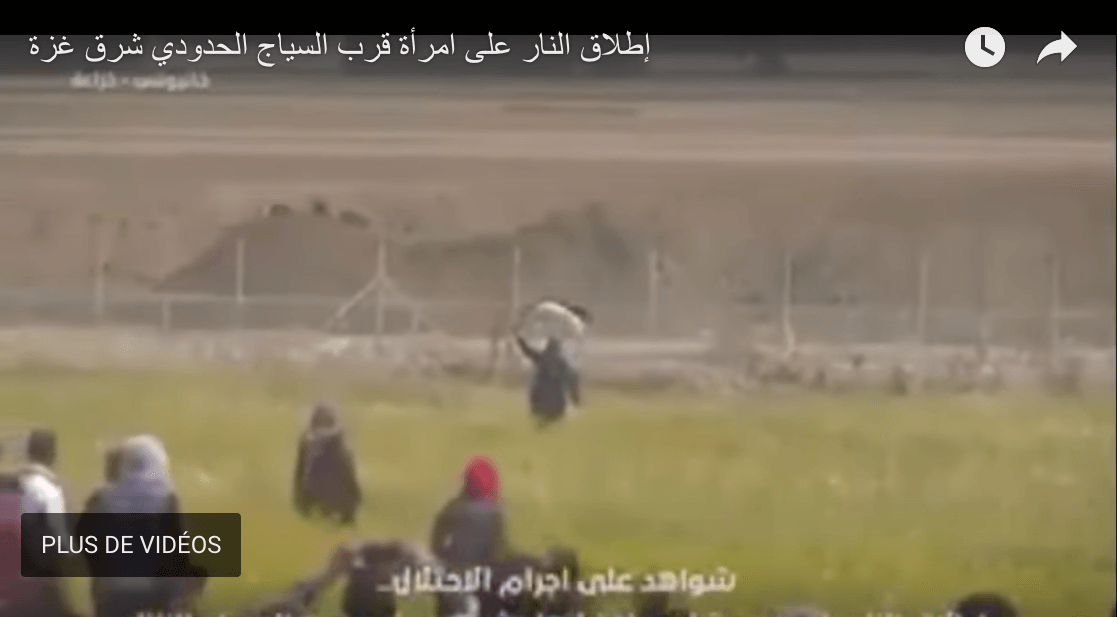

Eitan Bronstein Aparicio and Eleonore Merza Bronstein wonder what was so threatening about Nasreen al-Najjar that as she approached the fence between Israel and the Gaza Strip, soldiers shot her. She was only carrying a flag.

Jehad Abusalim examines how Gaza came to be trapped “from the fence to the fence” by looking back at the Strip from the British Mandate period to present date: “The fence is the history that Palestinians in Gaza never want to forget, and no amount of aid can induce them to do so.”

Today marks 70 years since the massacre at Deir Yassin. The latest repression in Gaza is a reminder that the spirit of this massacre lives on in Israel. In 1948, as today, massacres to push and keep Palestinians off of the land were dictated by core Israeli policies. It is past time to confront the Western part in this tragedy.
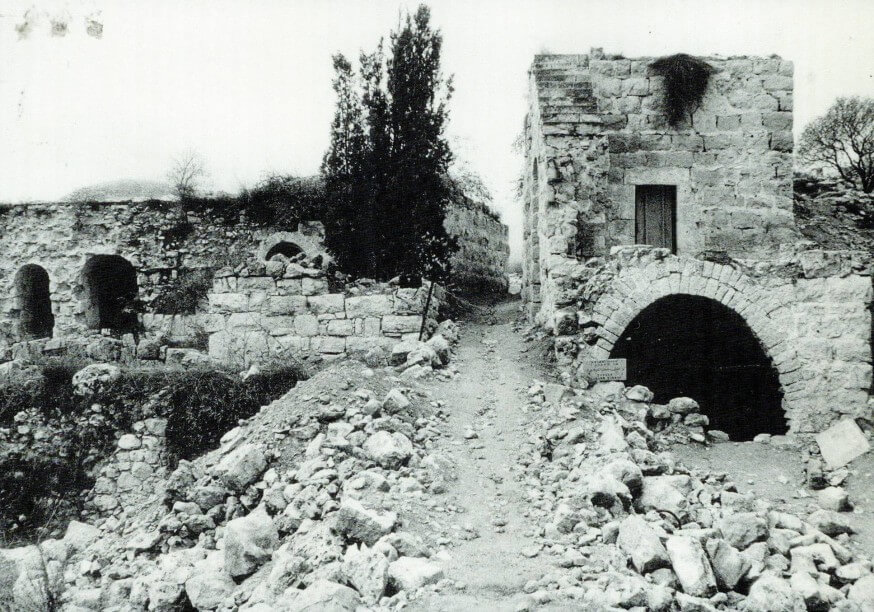
On the 70th anniversary of the Deir Yassin massacre Jamal Najjab interviews historian Matthew Hogan on the events that transpired on April 9, 1948 and their lasting legacy today.

Retired Israeli general Amiram Levin is regarded as a liberal Zionist and is a strong supporter of Labor leader Avi Gabbay. In an interview, he says “Palestinians deserved the occupation” and Israel should give Palestinian leadership “a carrot in the form of a state, and if it doesn’t want it, we’ll tear it apart…. if they violate agreements, the next time we’ll fight here they will not remain, we will toss them across the Jordan…. We were way too nice in ‘67.”
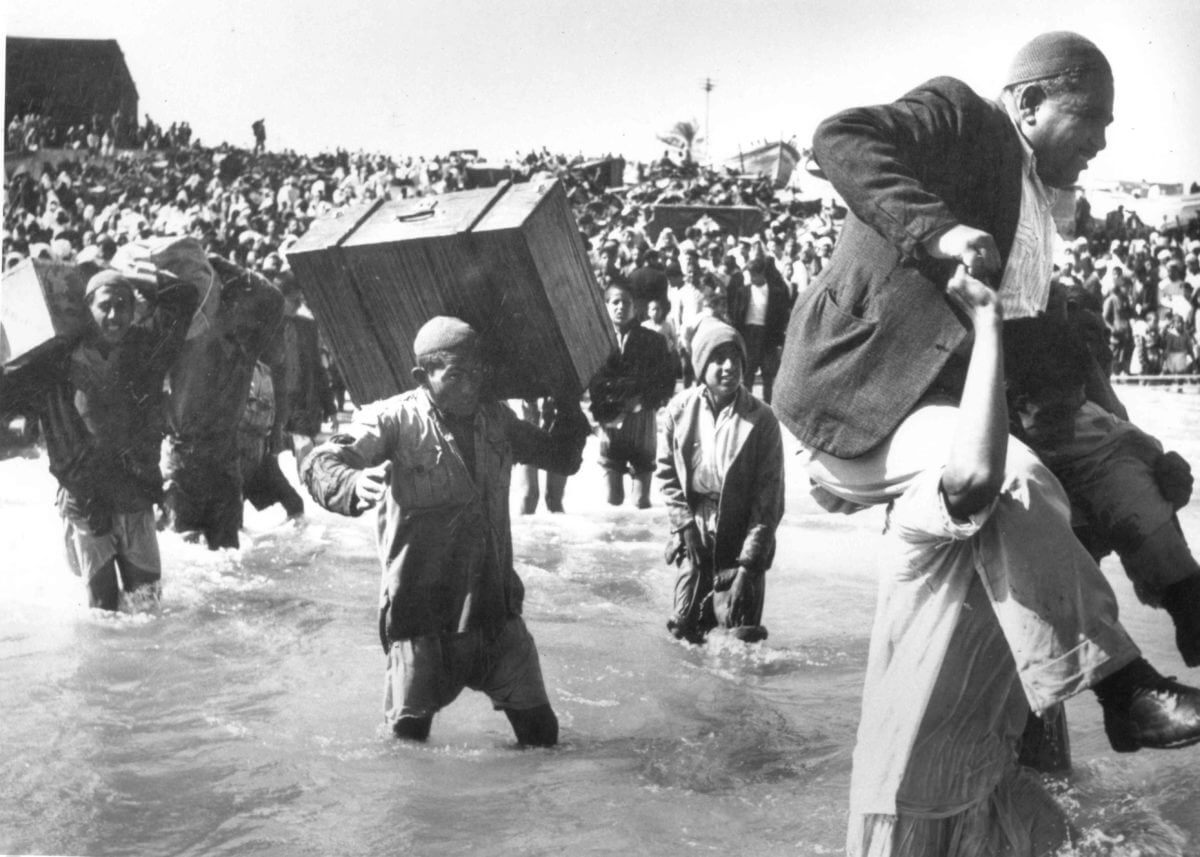
A New York Times story on the history of Jerusalem says that violence began in May 1948 after Israel’s creation and that “huge numbers of Jews and Arabs were displaced.” These are all lies that function as “hasbara,” explanations of the conflict that serve the Israeli claims to greater Israel.

Salwa Salem-Copty hopes to someday return to live in her family’s village in the north of Israel, but at 70 years old, she thinks it is unlikely. Instead she has one request — she would like to be allowed to visit the grave of her father, who was killed when a bus full of workers traveling to Haifa was attacked in April 1948. Salwa was never allowed to visit her father’s grave. Today, now a grandmother, she is still fighting for that right.

Mohammad Arafat writes, “‘Once we heard about the declaration, we knew the future of Palestine and the Palestinians was in danger,’ Um Abed so softy I could barely hear her. She couldn’t say more without crying.”

Rana Askoul writes to British Prime Minister Teresa May: “I hear you will be celebrating the centenary of the Balfour declaration with ‘pride’. I hear you also said that you will be conscious of the sensitivities that some people have about the Balfour declaration and that there is more work to be done. Pride, sensitivities, some people, more work. In my mind, I picture you standing in front of my paternal grandmother, as she walked on her journey out of Palestine to Lebanon in 1948, clutching my father as a baby to her chest. I see you uttering these words to her. Pride, sensitivities, some people, more work. It seems Ms. May, you also have not the slightest clue as to how we Palestinians can move on. It seems Ms. May that you too, like your predecessors have chosen the easier wrong, over the harder right. It seems Ms. May, that you too need a lesson as to why we need to apologize when we have done wrong.”

In its story about a renewed investigation into the murder of Naji al-Ali, this is how the New York Times describes the British occupation and then The Nakba: “He fled his home in the British Mandate of Palestine at the age of 10 during the war that accompanied the creation of Israel.”