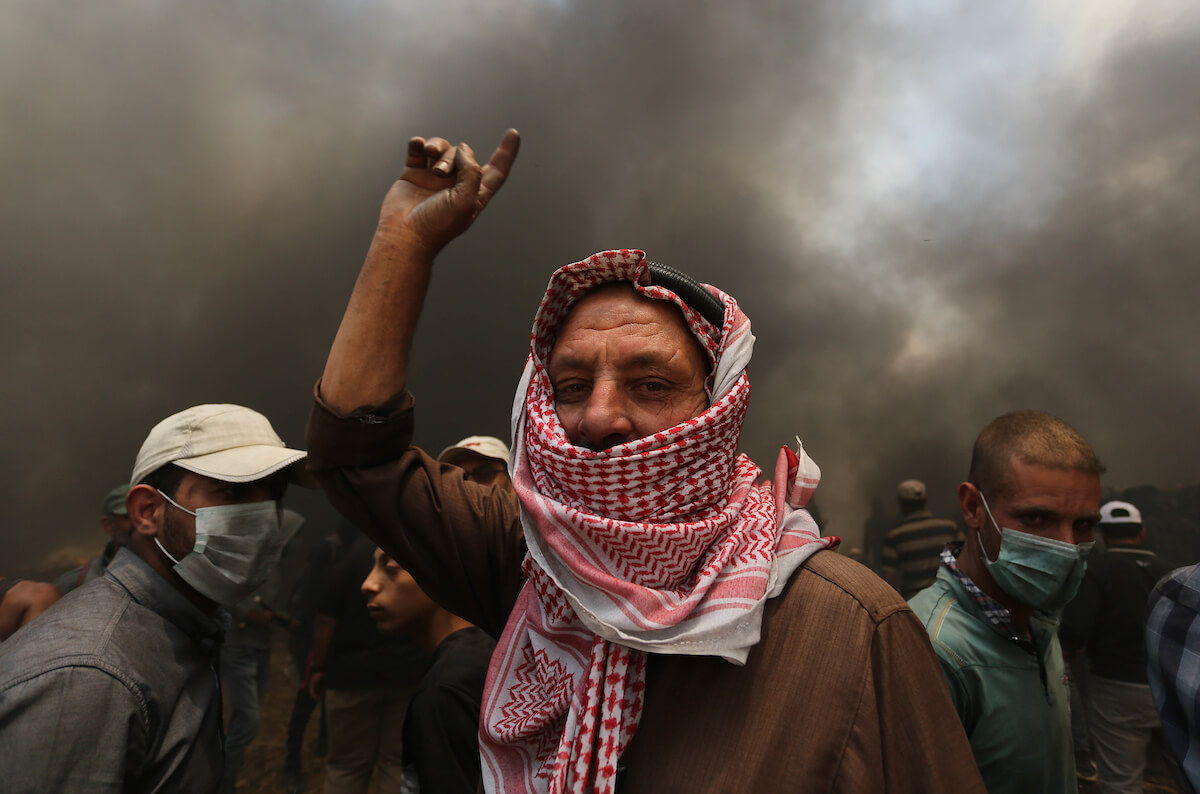
Thousands of Palestinians across the occupied West Bank and besieged Gaza Strip participated in massive demonstrations on Monday, the 70th anniversary of the Nakba. Azhar Abu Srour, a Palestinian refugee who was at a protest in Bethlehem, told Mondoweiss, “I am here as a refugee, to demand my right of return to my homeland, Beit Nattif, which we were expelled from 70 years ago. I am also here to protest against the massacre of our Palestinian brothers and sisters in Gaza, who have been protesting for weeks, for this same basic right of return.”
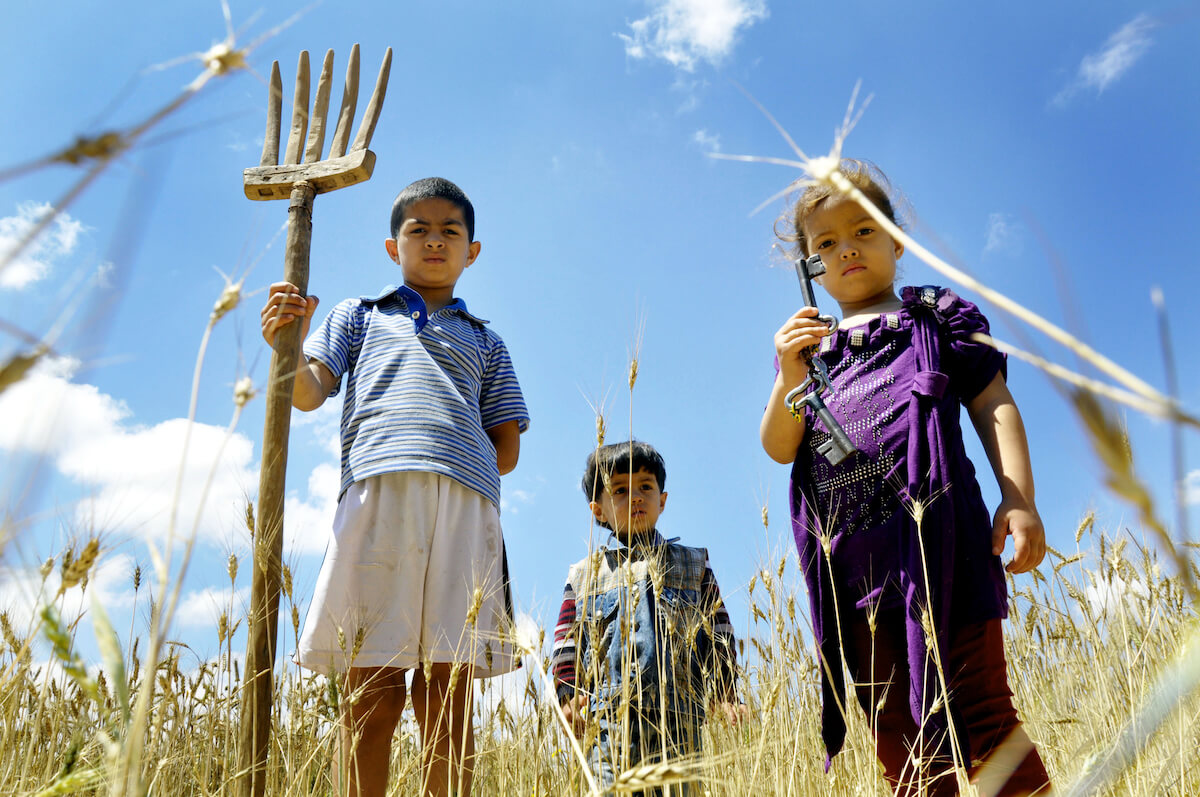
Many Palestinian families have their narratives of the Nakba, especially in Gaza where nearly 70% of the population are refugees. Hamza Abu Al-Tarabeesh shares the stories of three Gaza families, including his own. Each story share incredible pain and loss, but also hope for the future and the hope of return.
“Forced displacement and dispossession are key factors to understand the situation in Palestine and the Palestinian-Israeli conflict.” Amjad Alqasis examines how Palestinians became the “largest and the longest-standing unresolved refugee case in the world today” and how their ongoing displacement and dispossession can be challenged.
Salman Abu Sitta writes an open letter to Uri Avnery to mark the 70th year of the Nakba: “In all these 70 years, Uri, have you thought of those innocent peaceful people who became refugees, the people you thought they were human dust to be dispensed with? Did you ask: What happened to them and their children, now scattered in the world?”
The Israeli military claims its soldiers are “in danger” from the protests across the fence in Gaza, but a simple review of the facts proves this is not the case. Here are the questions any journalist talking to the Israeli military should ask.
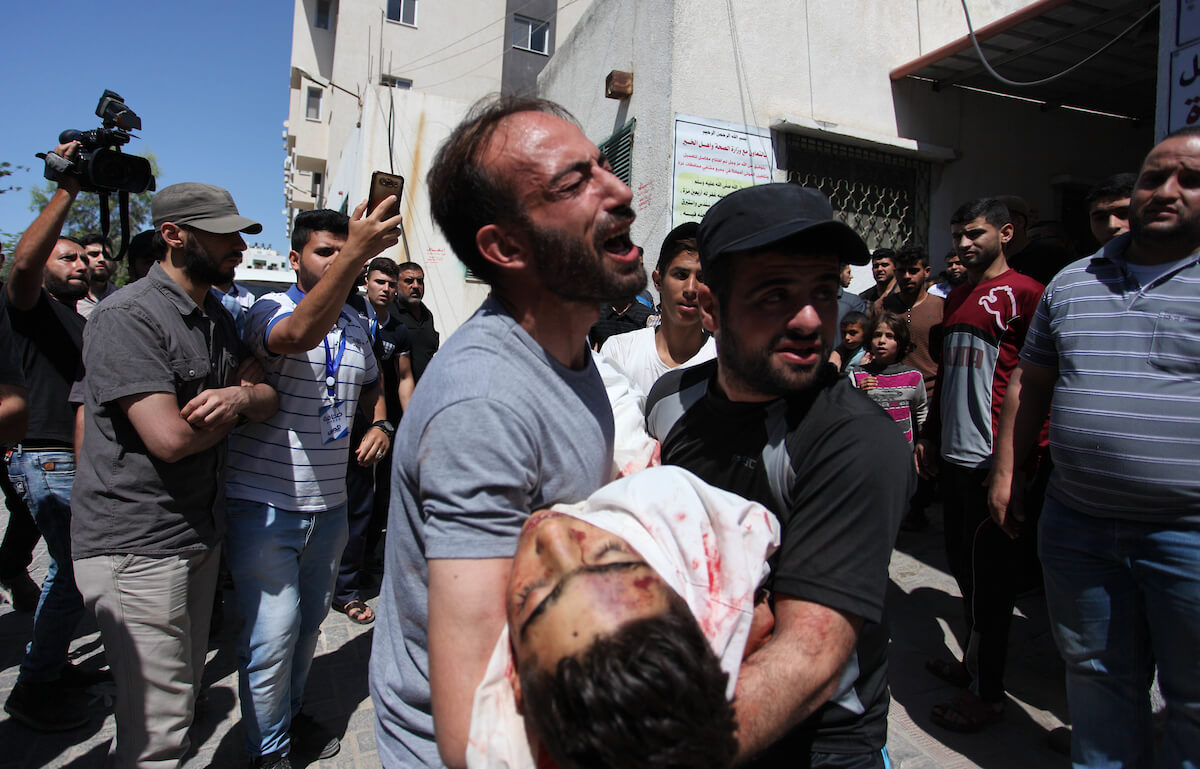
Early reports on Monday suggested that Gaza’s demonstrators were being massacred by the Israeli army. Amnesty International called the events a “horror show”. But for more than a month, Israel has been working to manage western perceptions of the protests – and its response – in ways designed to discredit the outpouring of anger from Palestinians.
Reja-e Busailah’s memoir ‘In the Land of My Birth: A Palestinian Boyhood,’ is an unheralded masterpiece of the Nakba. A burgeoning scholar at 18, Busailah was forced out of Lydda with his family in 1948. This book’s poignant portraits of friends destroyed and traumatized by the Zionist militias tops any Israeli’s account of the Nakba.
Francesca Albanese writes that the Great March of Return is a sobering reminder of the conspicuous lack of political will that has been maintaining the Palestinian refugees in a status of oblivion: “It is a reminder to all of us that the Palestinian question was a ‘refugee question’ first and foremost, and without a just solution for the refugees, a resolution of the conflict will not be sustainable.”
Yoav Hifawi visits Palestinian poet Dareen Tatour to see how her story fits within the context of the Palestinian Nakba. What he discovered is Dareen is the descendant of Palestinians who were displaced from their villages during the Nakba, one of which fell after a brutal massacre.