An attack on a tour of the depopulated Palestinian village of Lifta is a sobering reminder of the necessity of marking the Nakba.
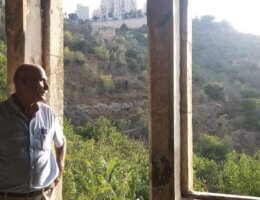

An attack on a tour of the depopulated Palestinian village of Lifta is a sobering reminder of the necessity of marking the Nakba.

As Israelis were evacuated from Jewish-only communities in the Galilee due to fires this month, Hatim Kanaaneh reflects, “Are you aware that within recent memory your own residential locales had Palestinian names and were inhabited by humans, some of whom with features not really different from your own and who were before their expulsion actually part of the best educated nation in the Middle East? They lived right where you live now but without all those fire-hazardous pines.”

Lifta must be saved not only because it is a gem of precious natural beauty and human architecture, but also because it is a step towards healing and redress.
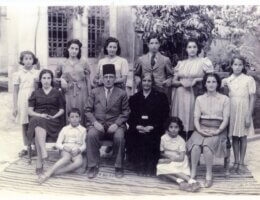
Israel’s settler-colonial project in Sheikh Jarrah and Silwan reminds Philip Farah of how his family’s history reflects the ongoing Nakba.
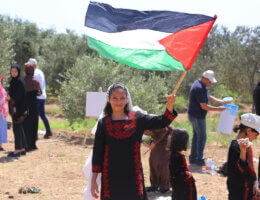
Adalah Justice Project’s Sumaya Awad talks with Jehad Abusalim about Gaza, the Palestinian Authority, and the US movement for Palestine in the wake of the latest Israeli aggression on Gaza. “It is crucial to understand Gaza and its experience in the context of the Nakba and its unfolding and continuation since 1948. This has to be the starting point if people want to be serious and invested in understanding the current situation in Gaza,” Abusalim explains.
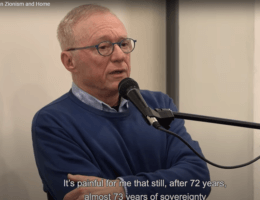
Israeli leftist David Grossman laments that Israel is not “home” for Jews. “It was meant to be the place in which you felt secure, in which your standing and your relations with your neighbors was never in doubt, in which there was no disagreement with anyone about whose home it was. It’s painful for me that still, after almost 73 years of sovereignty, and of war, we still haven’t arrived at a place in which we feel that real sense of comfort, that real sense of serenity and ease you’re meant to feel at home.”
Shay Hazkani’s “Dear Palestine” is an incredibly valuable contribution that uses meticulous archival research to upend our understanding of the 1948 war.

Jane Hirschmann’s parents fled Germany after Hitler came to power. Later Germany gave her father reparations for a lost business and granted Hirschmann and her children and grandchildren citizenship. “I wonder why the 750,000 Palestinians forced from their homes and land in 1948 when Israel was founded are not entitled to the same treatment my family received after WWII ended. But the war on Palestinians was never over. Instead, Israel continues to this day its policy of ethnic cleansing, as evidenced by the current expulsions in Sheikh Jarrah and other parts of East Jerusalem,” she writes.

Liberal Zionists are celebrating Israel’s new rightwing prime minister, Naftali Bennett. Why? Although many secular Zionist leftists may not see him as “Our guy”, they may still identify with him on his militarism and the startup ideology, and this may be enough to sanitize him for them, as a pragmatic partner whom they can emotionally accept.
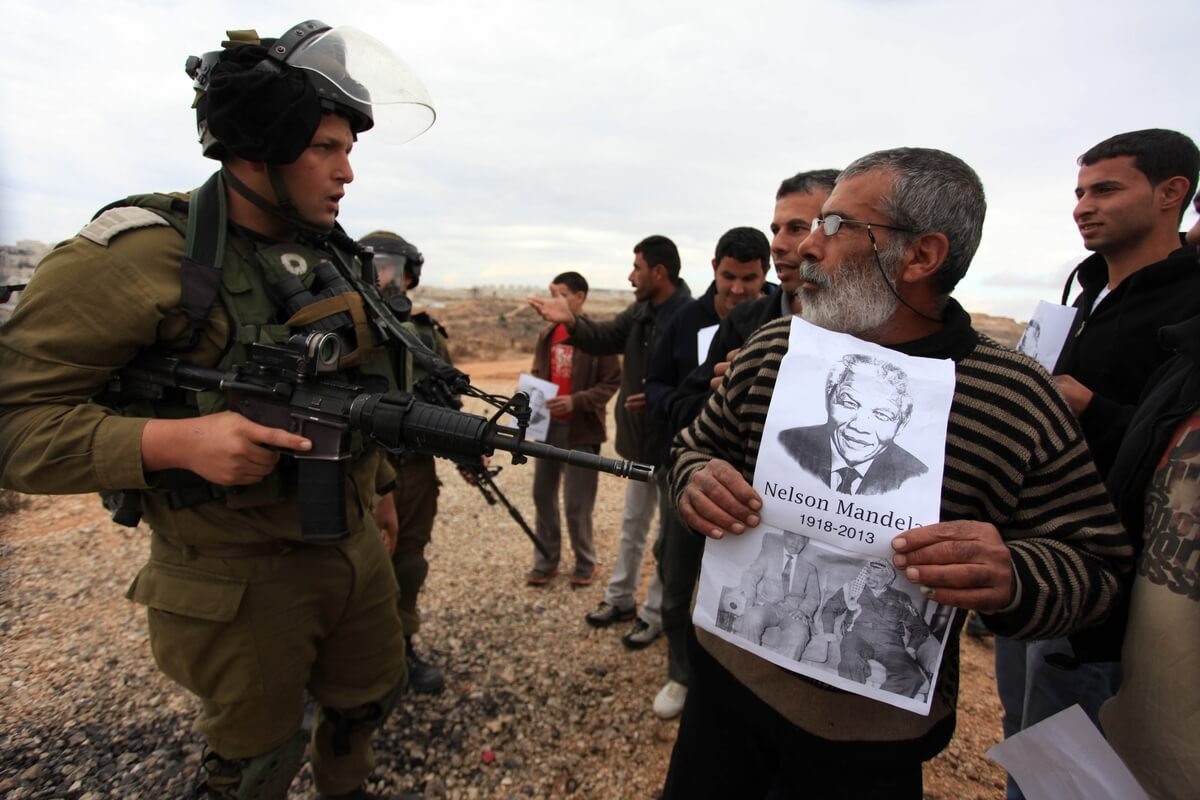
Apartheid in South Africa ended in part due to sanctions and pressure from the international community. It is once again on the international community to ensure that international law is upheld and apartheid sees its demise — this time in Palestine.