Child marriage in Gaza is surging, with 20.6% of recent marriages involving girls under 18. Amid hunger, displacement, and a collapsed legal system, girls are losing their childhoods to a “protection” that doesn’t exist.
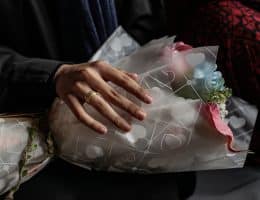

Child marriage in Gaza is surging, with 20.6% of recent marriages involving girls under 18. Amid hunger, displacement, and a collapsed legal system, girls are losing their childhoods to a “protection” that doesn’t exist.
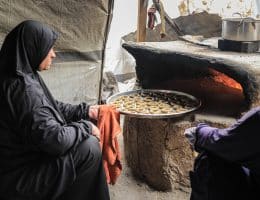
Women in Gaza who lost their husbands in the genocide are caught between the need to work and the pain of leaving their children alone, susceptible to Israeli violence. According to the UN, these women now represent 1 in 4 households in Gaza.
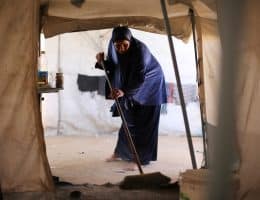
In Gaza, women whose husbands are missing or buried under the rubble are facing a little-known crisis. Without death certificates for their husbands, they’re locked out of bank accounts, aid, and custody rights, trapped in bureaucratic limbo amid genocide.
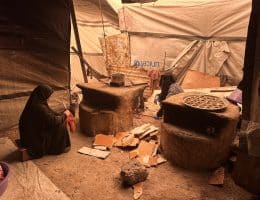
The decimation of Gaza’s judicial system has left hundreds of thousands of women unable to claim inheritance, get a divorce, or retain custody of their children. “That is the reality of women in Gaza. We are abandoned,” says Maysoun, a mother of two.

After a year of near-constant Israeli military raids on their homes and private spaces, women are some of the most affected among the Palestinian residents of Nur Shams refugee camp in Tulkarem.
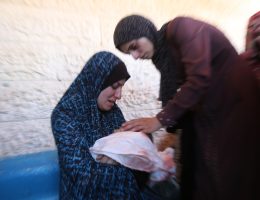
Palestinian women have been forced to demonstrate remarkable resilience while navigating the harsh realities of Israel’s genocidal war for themselves and their families.
At least 50,000 pregnant women in Gaza are currently unable to access essential healthcare, as other women struggle to find basic menstrual hygiene products. The women’s healthcare crisis in Gaza is nearly catastrophe.

Israel’s use of rape as an instrument of war is nothing new. What’s unique is that it has been at war with the Palestinians for 74 years.
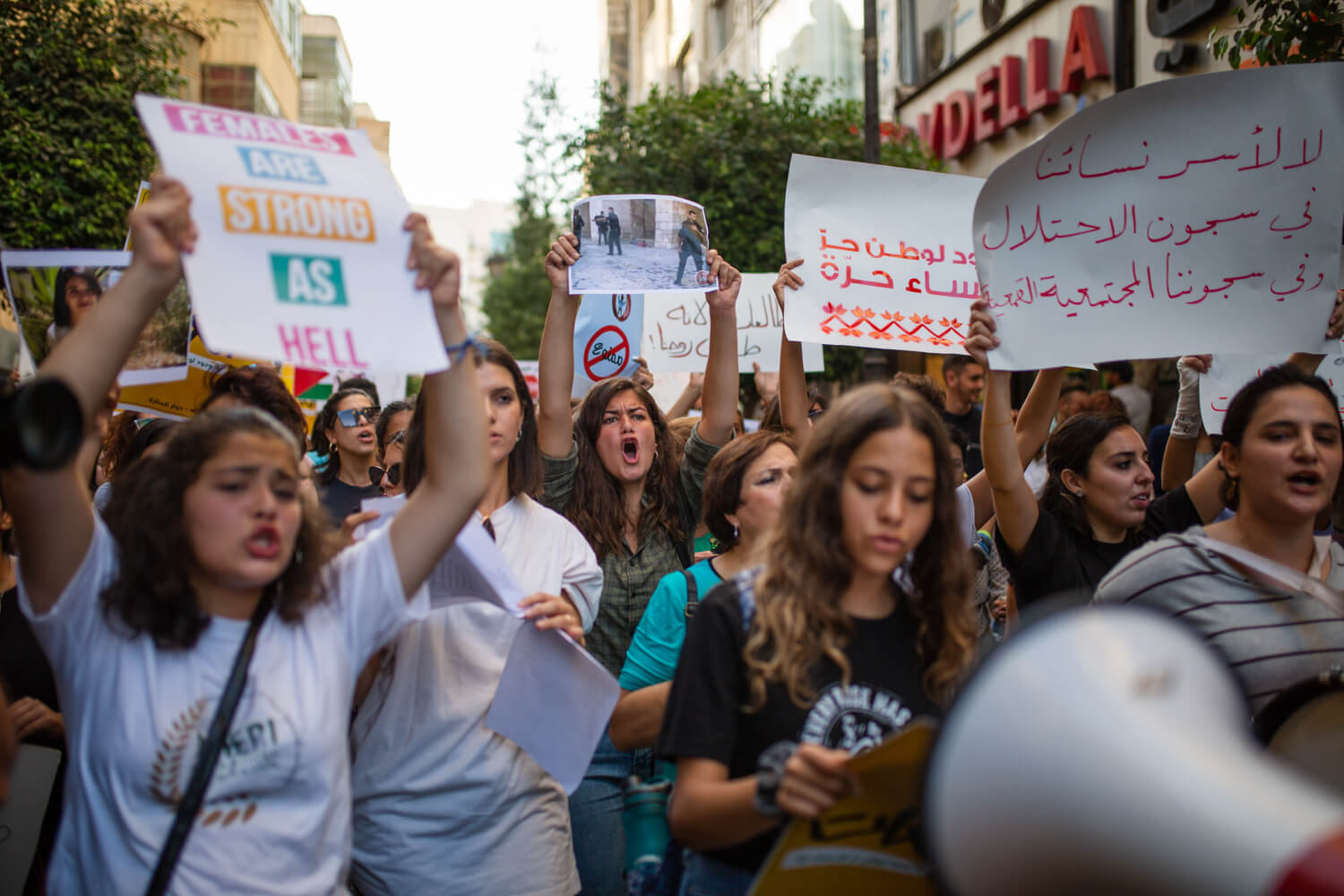
Defying racist and orientalist stereotypes, women in the Middle East and North African region are at the forefront of the struggle for building a fairer, more equal and just society. “As we write, women are occupying squares and marching through the streets of war-torn Iraq, determined to play an active role in shaping their future,” explain Hala Marshood and Riya Al’sanah, both activists with the feminist movement Tal’at.