In a speech to the Knesset, Donald Trump declared the war in Gaza over and tempted Israel with economic riches through regional normalization, while almost completely ignoring the Palestinians.


In a speech to the Knesset, Donald Trump declared the war in Gaza over and tempted Israel with economic riches through regional normalization, while almost completely ignoring the Palestinians.
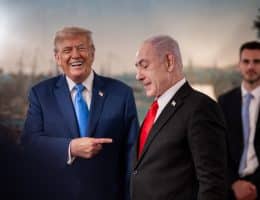
Israel has sent a message that its impunity extends even to attacks on states that have close relations with Washington. They need only cry “HAMAS” and any act is acceptable.

Netanyahu is facing increasing pressure from European states, including the threat of sanctions. The unanswered question is whether Trump will actually let Europe take action, or will he once again shield Israel from any accountability.
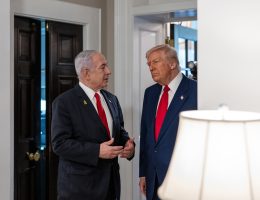
Benjamin Netanyahu is likely missing the days of Genocide Joe Biden, when he had more direct influence over U.S. policy. Still, Trump’s surprise deal with Yemen doesn’t mean he is abandoning Israel, in fact, he might be setting it loose.

Americans have always been ignorant of the deadly realities of their empire. Now that genocide is being live-streamed to their phones, they have no excuse. Still, many would rather mourn the death of ideals than those being killed in their name.

The first months of the Trump administration have been an assault on everything that those who work for justice hold dear. Yet, it is in times like these that our movements have brought down mighty systems, freed people, and changed history.

The Trump administration’s direct negotiations with Hamas have broken precedent and angered Israel. Envoy Adam Boehler defended them to CNN saying the U.S. is “not an agent of Israel,” but how much daylight exists between the allies?

In the midst of fragile ceasefires in Gaza and Lebanon, Israel is escalating its military aggressions in the region, begging the question: is Israel experiencing a moment of unprecedented force, or is it afraid of betraying unprecedented weakness?

In recent days, President Trump has overturned some of the small restrictions that the Biden administration had placed on Israel, garnering high praise from Israel’s far-right.

Israeli forces moved further into the Syrian Golan, forcing entire towns to evacuate. While Netanyahu celebrated what he says will be an “eternal” Israeli presence in Syria, U.S. officials insist Israel’s occupation of Syrian lands is “temporary.”