In his new book, Bob Woodward says that Donald Trump’s efforts to undermine NATO and NAFTA and agreements with South Korea were threats to American national security and Trump was heroically foiled by his own aides. But when it comes to Trump’s destruction of the Iran deal, Woodward all but approves it, portraying Iran as a “malign” threat to world order and an “existential threat to the Jewish state.”
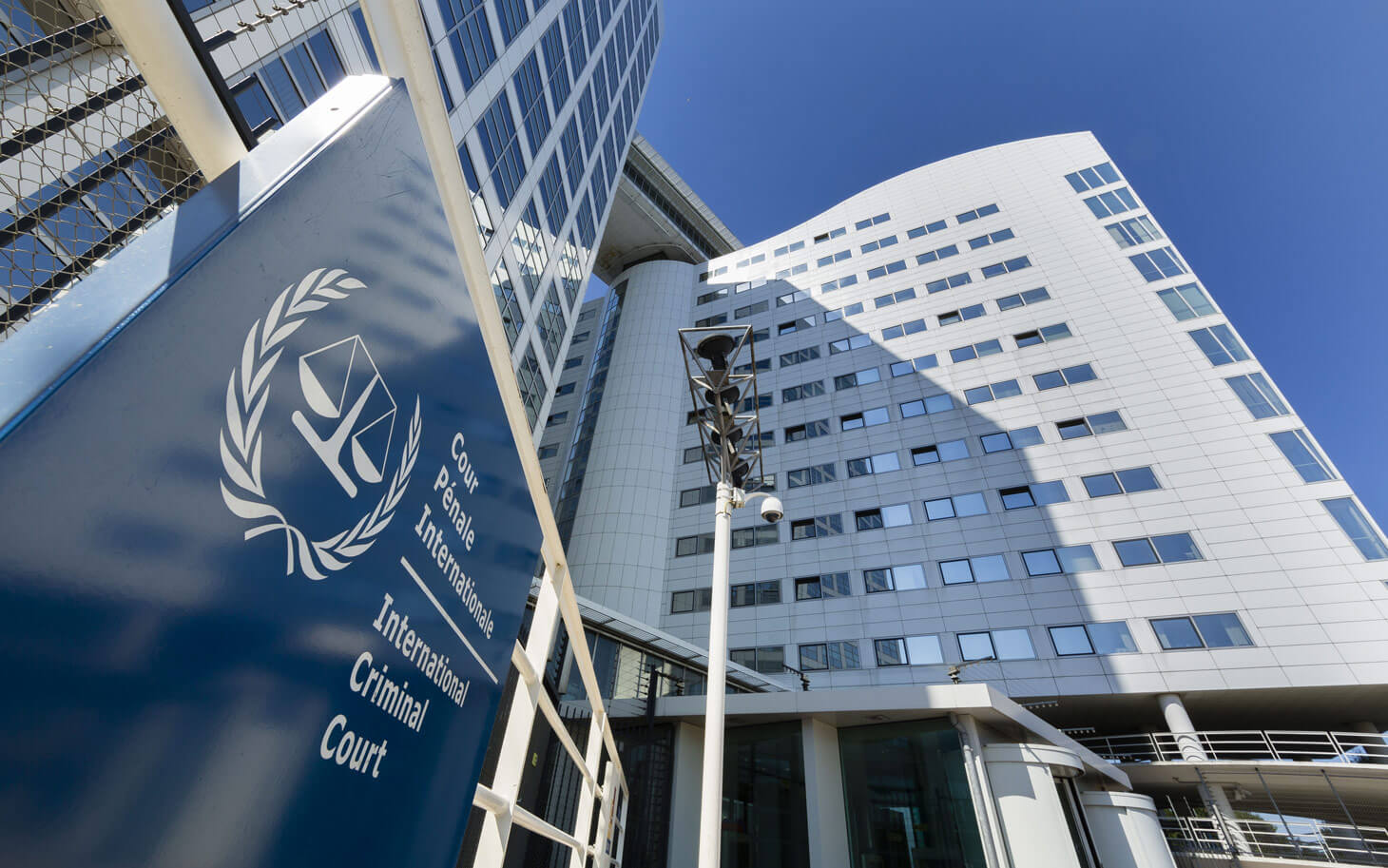
In response to threats by the United States National Security Adviser John Bolton, the International Criminal Court in Hague said, on Tuesday, that it is an independent and impartial institution with the backing of 123 countries. The statement added that “the ICC, as a court of law, will continue to do its work undeterred, in accordance with those principles and the overarching idea of the rule of law.”
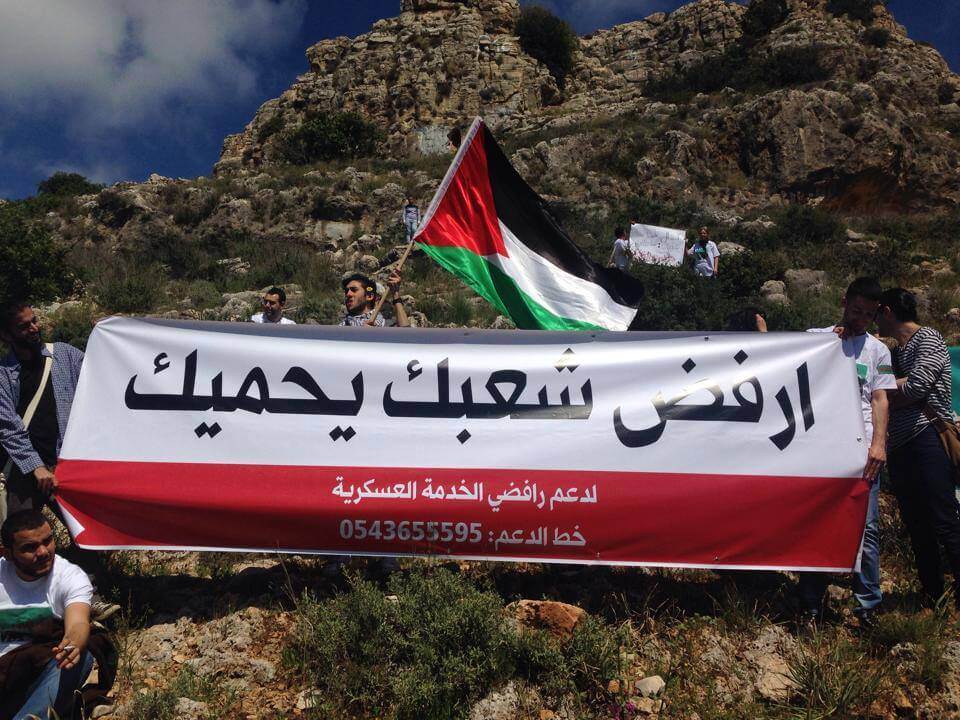
The Nation-State law, when Israel officially declared itself a Jewish state, was a wakeup call to many in the Druze community, but not to members of Urfod, a group of Druze activists who have refused military conscription. Urfod member Hadiya Kayoof tells Mondoweiss, “The law showed everyone [in the Druze community] that believed in the Israeli democracy, that there is no real democracy in Israel. Its either you are Jewish or non-Jewish, and if you are non-Jewish you won’t get your rights,” she said matter of factly, “it doesn’t matter if you serve in the army or not.”
Pete Gregson on the fallout in the UK Labour Party after the vote adopting the full IHRA definition of antisemitism: “What we are seeing is a Party in fear of the media, allowing Zionists to undermine freedom of speech. What we need to do is show those in fear of bad press that the NEC cannot pay lip service to a thing that it does not believe in. For who can argue that Israel is not a racist state? It’s as if we’re allowing Theresa May and Netanyahu to write our rule book here.”
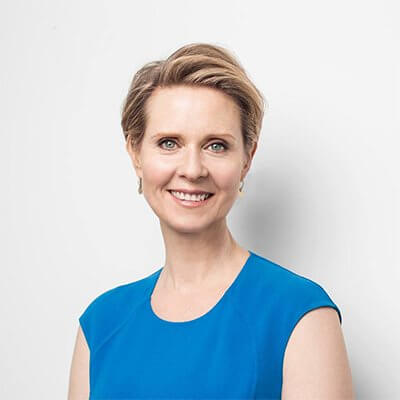
“My signing the letter had nothing to do with the appropriateness or inappropriateness of their performing there,” Cynthia Nixon says of 2010 letter supporting Israeli artists boycotting Ariel settlement. She misrepresents the letter, which describes Ariel as “clearly illegal” by all standards of international law and calls the artists “courageous” in the face of “wrongful acts,” concluding, “We stand with them.”
Guatemala won U.S. approval by moving its embassy in Israel to Jerusalem. Now America is silent as Guatemala abolishes an anti-corruption probe. Thus do foreign countries seek to cultivate the US government by doing favors for Israel.
Yoav Litvin interviews Holy Land Trust Executive Director Sami Awad on the role of Christian theology and nonviolence in the struggle for Palestinian justice. “True justice is not defined as revenge or retaliation, but a holistic means to address violence through accountability, repentance and forgiveness for the atrocities that have been committed and the pursuit of a future that is based on equality, rights and opportunity for all,” Awad says.
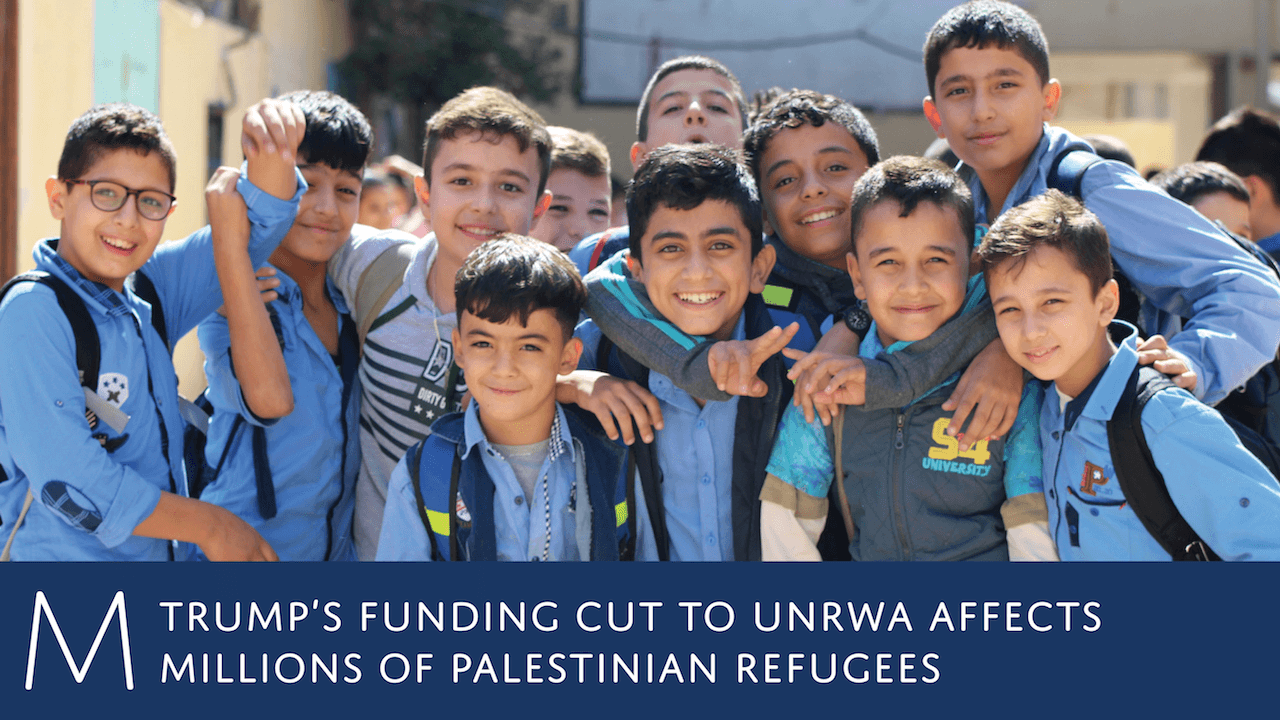
Just days after Palestinian children returned back to school, the Trump administration announced it would be cutting all funding to UNRWA — the UN agency responsible for providing life saving services to 5 million Palestinian refugees across the Middle East. Mondoweiss spoke with some of those affected, who expressed fears of losing essential services like food assistance, jobs, water, and most importantly, education.
Frank Sinatra got $2 million in 1981 to defy boycott calls and play South African apartheid venue Sun City. Lana Del Rey just heeded boycott calls, giving up a $700,000 appearance fee, nearly 10 times her usual reported fee, and canceled Israel’s “escapist” Meteor festival. See the parallel?
Tamam Abusalama writes, “An inclusive and intersectional feminist movement should address the struggles of women in different contexts. It should also acknowledge that there are huge gaps of privileges between women in the West and in the East. It shouldn’t ignore the long-lasting impacts of colonization on women from colonized countries. It should understand that an inclusive movement would never be successful without acknowledging the main colonial, imperial and capitalist elements, differently shaping women experiences. There is hope but we have always to keep on calling for a diverse, inclusive, de-colonial and intersectional feminist movement.”