Breaking with decades of policy among Palestinian political factions and religious leaders in Jerusalem, Ramadan Dabash, 53, a Palestinian man from the Sur Baher village of occupied East Jerusalem, is putting his name on the ballot for the Jerusalem Municipality elections this October. His run in the elections have reignited a long-held debate in the community over Palestinian participation in the elections.

The Jews who led the heroic Warsaw ghetto uprising in 1943 wanted one thing: vengeance for their families and friends who had been mercilessly slaughtered. They never got that satisfaction. That thirst for vengeance has been tragically displaced onto Palestinians.
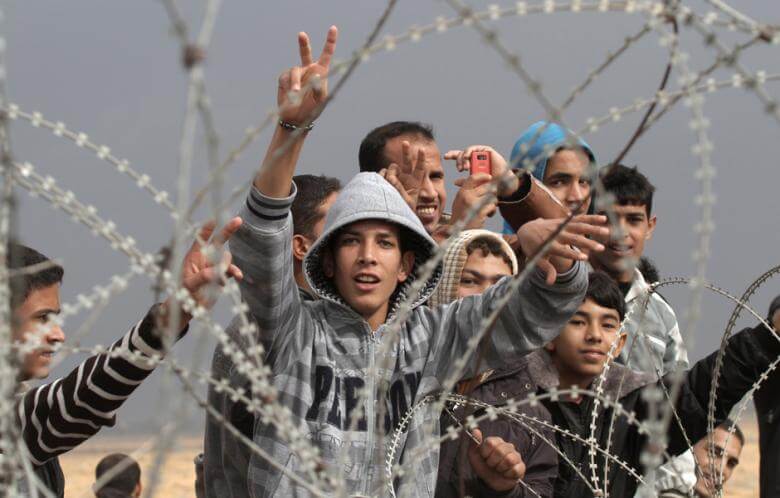
Young Palestinians from the “Oslo generation” say that the compromises of the peace process were unfair ones. Oslo “normalized the occupation in every way,” says Yasmin Abu Shakdim, 22. While Meras al-Azza, 25, says, “They gave up all of our land against the will of the Palestinian people.”
Donna Nevel says she frequently hears the sentiment articulated in some progressive Jewish spaces that the left needs to be more concerned about anti-Semitism. But she wonders what exactly is being referred to, and why is anti-Semitism being singled out as a particular problem when other injustices aren’t? “I believe those of us within Jewish social justice spaces who are concerned about anti-Semitism on the left would benefit from deep reflection about what it is we are centering and why,” Nevel writes.
In an effort to legalize thousands of settler homes in West Bank, the Israeli government audaciously claims that it can “legislate anywhere in the world”, that it is “entitled to violate the sovereignty of foreign countries”, and that “is allowed to ignore the directives of international law in any field it desires”.
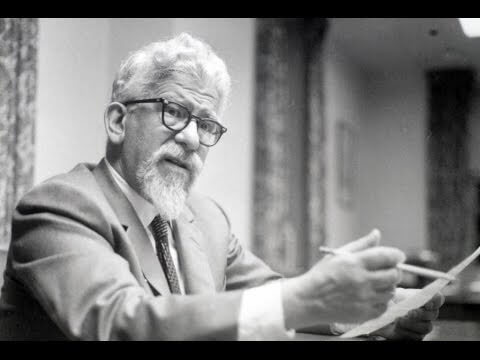
On Yom Kippur, Marc Ellis reflects that the historical damage done to Palestinians and the occupation of Palestine itself is permanent, making it difficult to read Jewish theologians who were optimistic about Israel as at best simplistic. It is becoming more and more difficult to read hopeful interpretations of Jewish life and Israel.
There are lots of good reasons to think the International Holocaust Remembrance Alliance’s (IHRA) definition of anti-Semitism, now adopted “in full” by Labour’s national committee and by Labour MPs, is, well, a bit rubbish, writes Robert Cohen: “The truth of the matter is, the Jewish community can no longer define ‘Zionism,’ or indeed ‘anti-Semitism,’ without the help of Palestinians.”
Financier Seth Klarman has long given to rightwing pro-Israel causes, but NYT’s Bari Weiss doesn’t mention Israel in an article on Klarman turning on the Republican Party and Trump. A pro-Israel advocate herself, she’s protecting the Israel lobby from scrutiny.
On Sunday the U.S. State Department cancelled the visas for Palestinian ambassador to the U.S.’s wife and children who are living in Washington DC, following the Trump administration ordering closed the PLO diplomatic mission.
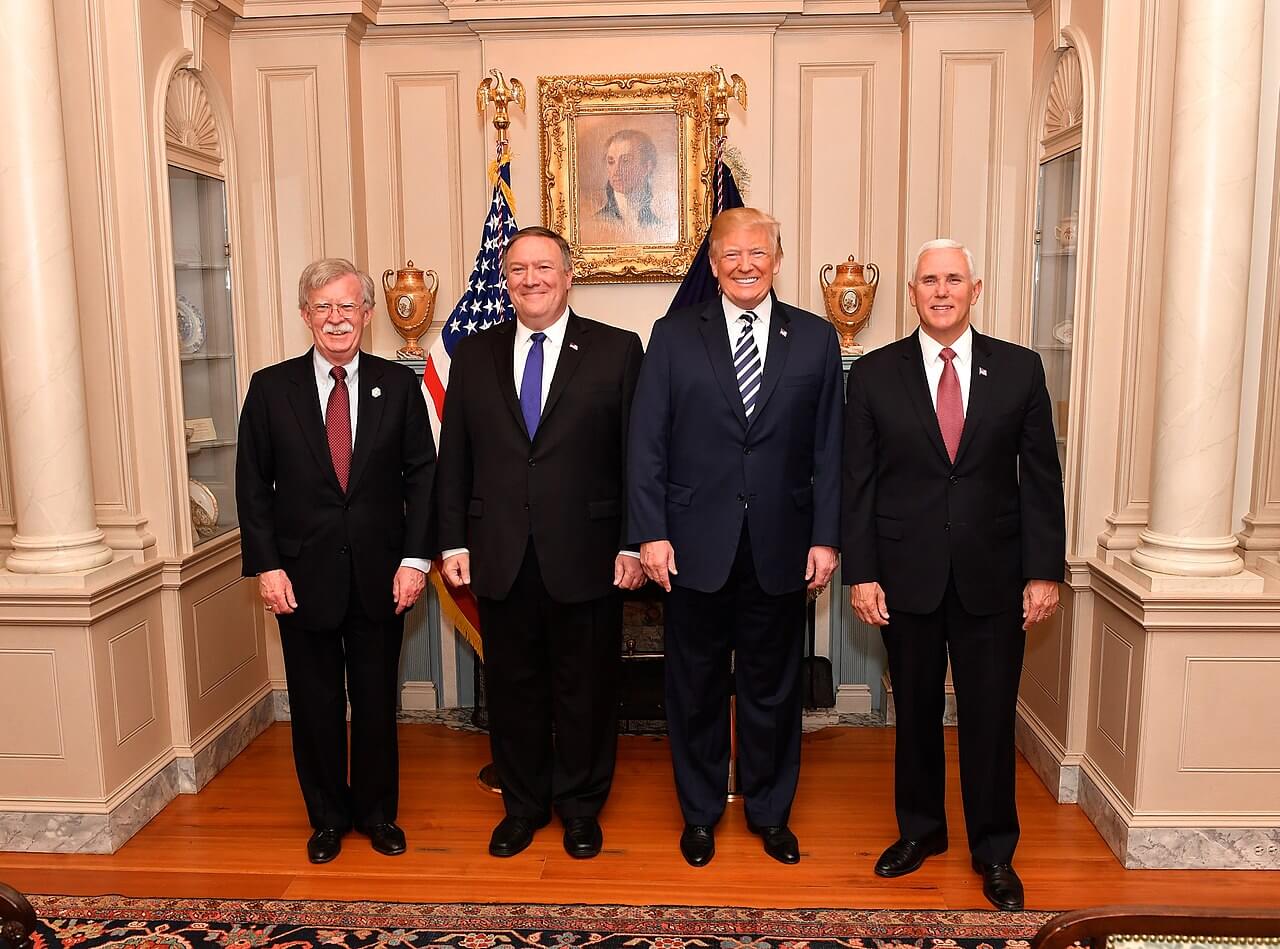
Internationally, the two-state settlement between Palestinians and Israelis has been a pivot and shorthand for the entire post-World War II US order: offering lip service to international law while substantively ripping it to pieces. Max Ajl writes that order is done. The Trump administration’s decision to close the PLO Embassy in Washington DC, along with John Bolton’s attack on the ICC, reveals “a desire for a shift from multilateral instruments of hegemony to unilateral instruments of simple dominance.”