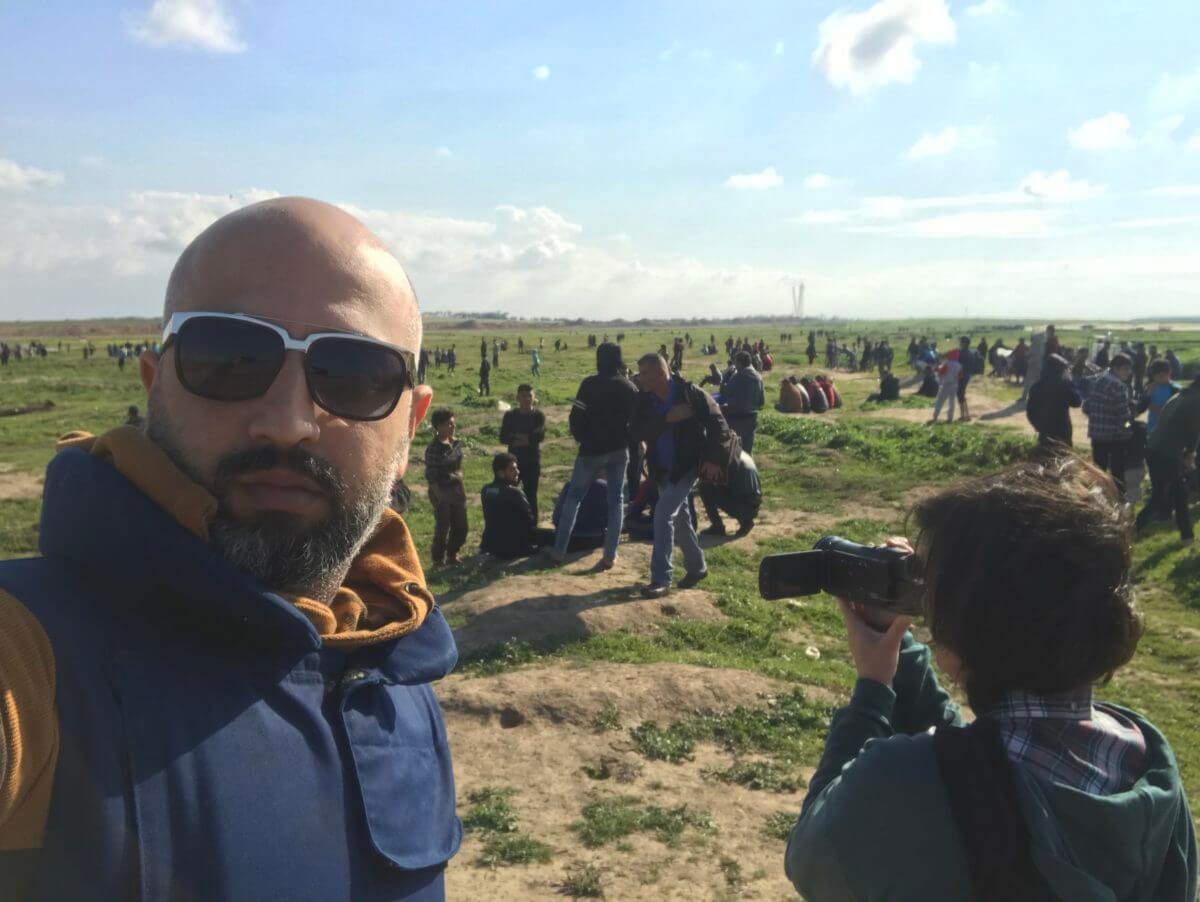
Jen Marlowe shares a day in the life from Gaza: “The Great Return March earlier that day had been a blur of action. Ribbons of tear gas and repeated bursts of live fire, sometimes followed by shouts of “Someone’s wounded!” Was the last of these incidents that I witnessed the moment that Yousef had been shot in the chest and killed?”
Liberals like Batya Ungar-Sargon and Bari Weiss may argue that the racism of the Jewish Power Party is not their vision of Zionism, but Jonathan Ofir says the Kahanists represent the reality under Zionism.
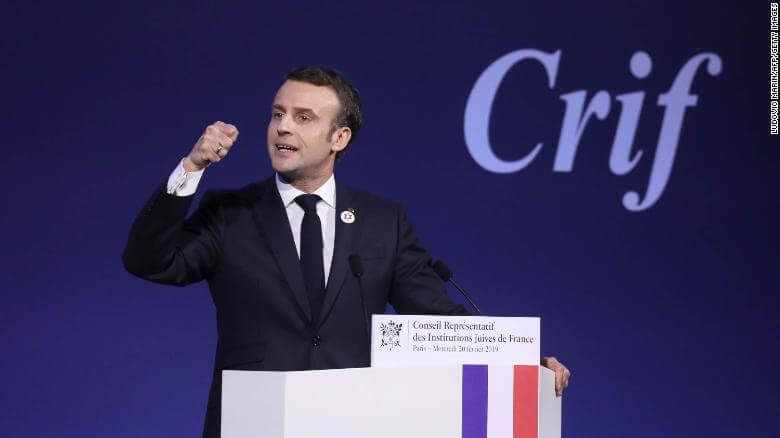
Jonathan Cook says that elites in the U.S. and Europe have moved on from their once-defensive posture that Zionism is not racism. Now, they are on the attack. Their presumption is that anti-Zionism is synonymous with racism and across the West there are efforts to codify this into law. Nowhere is this clearer than in France where Emmanuel Macron recently threatened to outlaw anti-Zionism.
Americans who want to push for a just and sustainable peace between Israel and Palestine need to break free of the mindset that it’s somehow “desirable” or even “normal” for the U.S. monopoly over the peace process to continue.
The shock of Netanyahu’s deal with the Kahanist Jewish Power party is that it shows there is growing establishment support in Israel for a final ethnic cleansing of the Palestinian people: “The right-wing doesn’t speak about it openly, but the Kahanists do. Some 10% of the Jewish population of Israel have been speaking about “a second Nakba” even as they denied the first; now Likud joins them.”
Jewish Broadcasting Service hosts a hot-tub of xenophobia and Islamophobia, as Jonathan Mark of the Jewish Week says immigration is the “nurtured baby issue” of the Democratic Party and Tlaib, Omar, and Ocasio-Cortez host districts of “new” people who come from “anti-semitic” countries, and Thane Rosenbaum of NYU says that 70 to 90 percent of Muslim Arabs believe in sharia law and therefore don’t belong in a pluralistic, constitutional democracy.
Mondoweiss speaks with Israeli journalist Yossi Gurvitz about Benjamin Netanyahu’s surprise deal with the Kahanist Jewish Power party that has rocked the Israeli election cycle. How will it affect the outcome of the April 9th elections, and what does it mean for the future of Israeli politics?
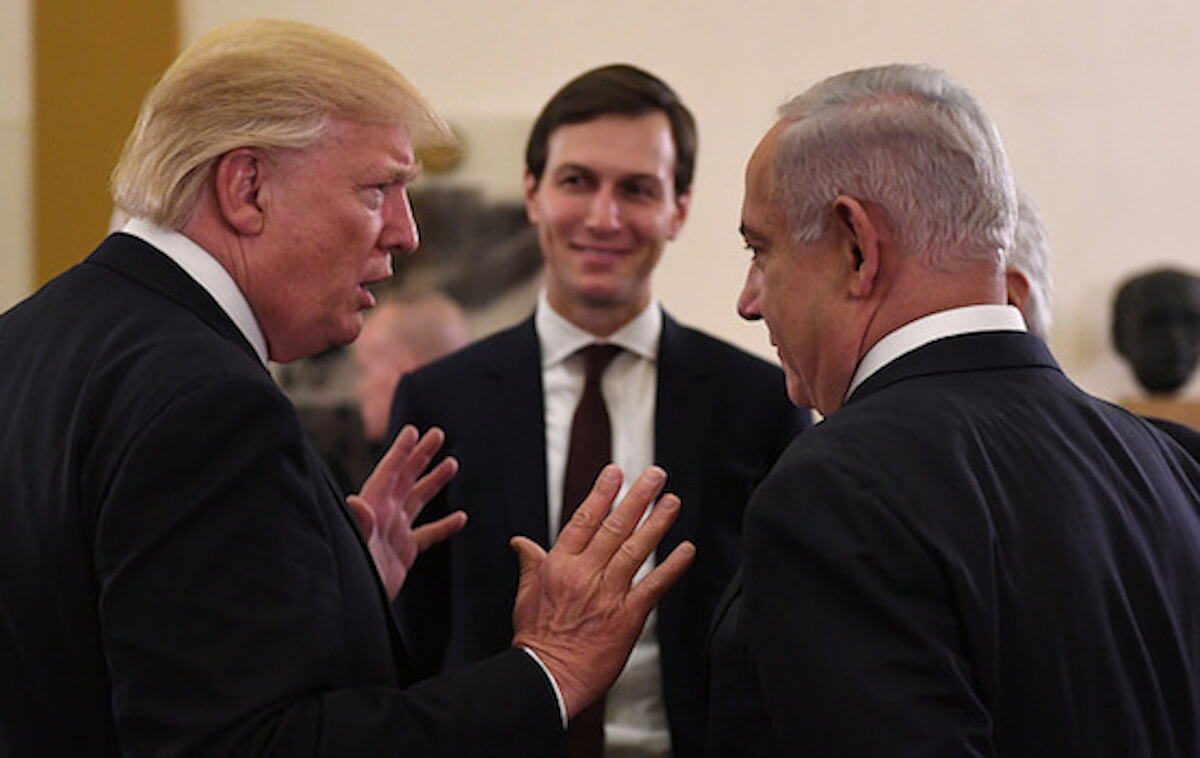
Israel’s decision to withhold part of the taxes it collects on behalf of the Palestinian Authority and plunge it deeper into crisis might be setting the stage for the end of the PA as the Trump administration prepares to launch its long-awaited “peace deal.”
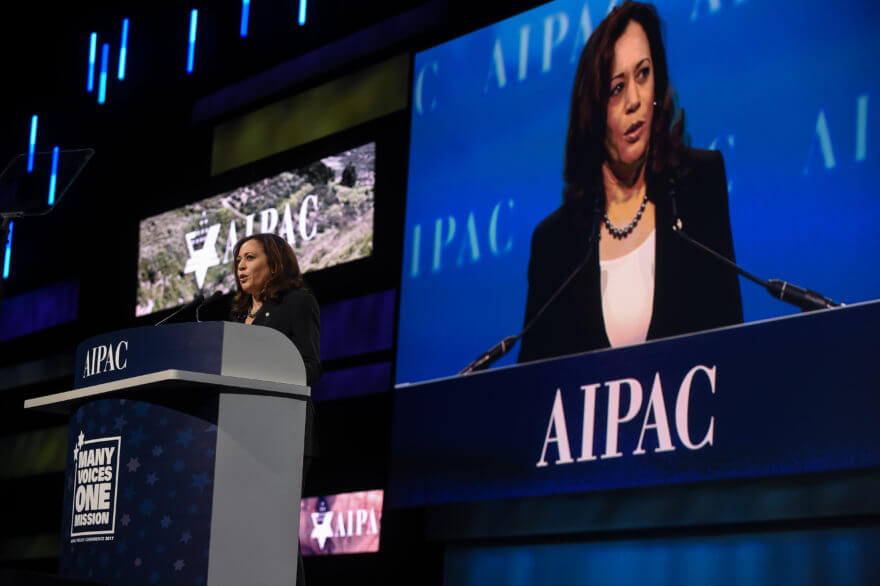
Many people have compared Palestinian conditions to the Jim Crow south, from Jimmy Carter to Condoleezza Rice to Rashida Tlaib. So it’s jarring to learn that Sen. Kamala Harris, in private comments to AIPAC last year, said the famous civil rights march on the Edmund Pettus Bridge in Selma in 1965 inspires her to build a bridge with Israel supporters.
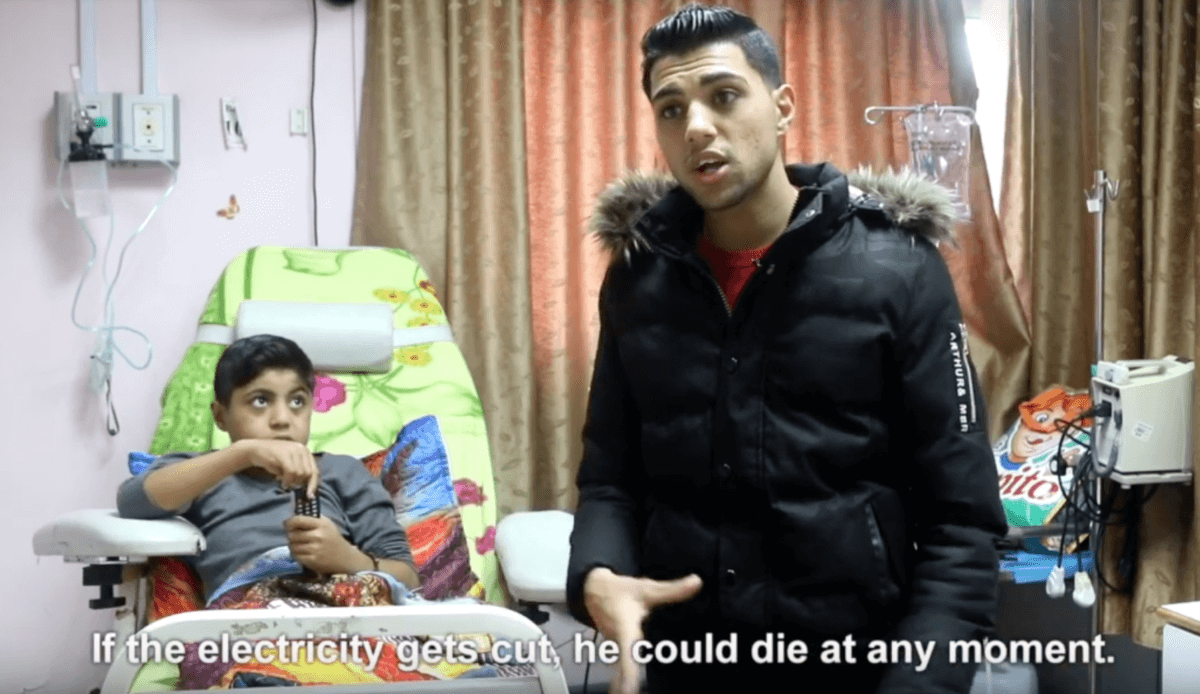
Gaza’s hospitals have been thrown into crisis once again, as they face another massive fuel crisis. Gaza’s health ministry says they need 300,000 liters of fuel as soon as possible to avoid the shutdown of several hospitals. Among those who are the most vulnerable are children on dialysis, who are facing a struggle to survive.