Archive

2019

Browsing
President Donald Trump holds up an executive proclamation recognizing the Golan Heights as Israeli territory at the White House in Washington DC, Monday, March 25, 2019. (Photo: Susan Walsh/AP)

On March 25, Donald Trump signed an order proclaiming U.S. support for Israel’s annexation of the Golan. This act ended Washington’s opposition to any acquisition of territory by force– a principle that has been a key pillar of the global order since the United Nations was founded in 1945. Washington’s new policy on Golan may well now allow the US company Genie Energy to go ahead and plunder the oil and gas reserves that its Israeli subsidiary discovered in Golan in 2015, and Trump’s step changes the political dynamic within Syria, too.

Ahmad Kabariti reports from Gaza that long spontaneous queues of people spent the night waiting outside of Gaza’s biggest bakery to buy bread, a scene that usually occurs during war. Muzaffar Batniji, 27, shoemaker, said that his family urged him to buy 200 loaves of pita bread, “just in case of this escalation might continue for a week or more.”

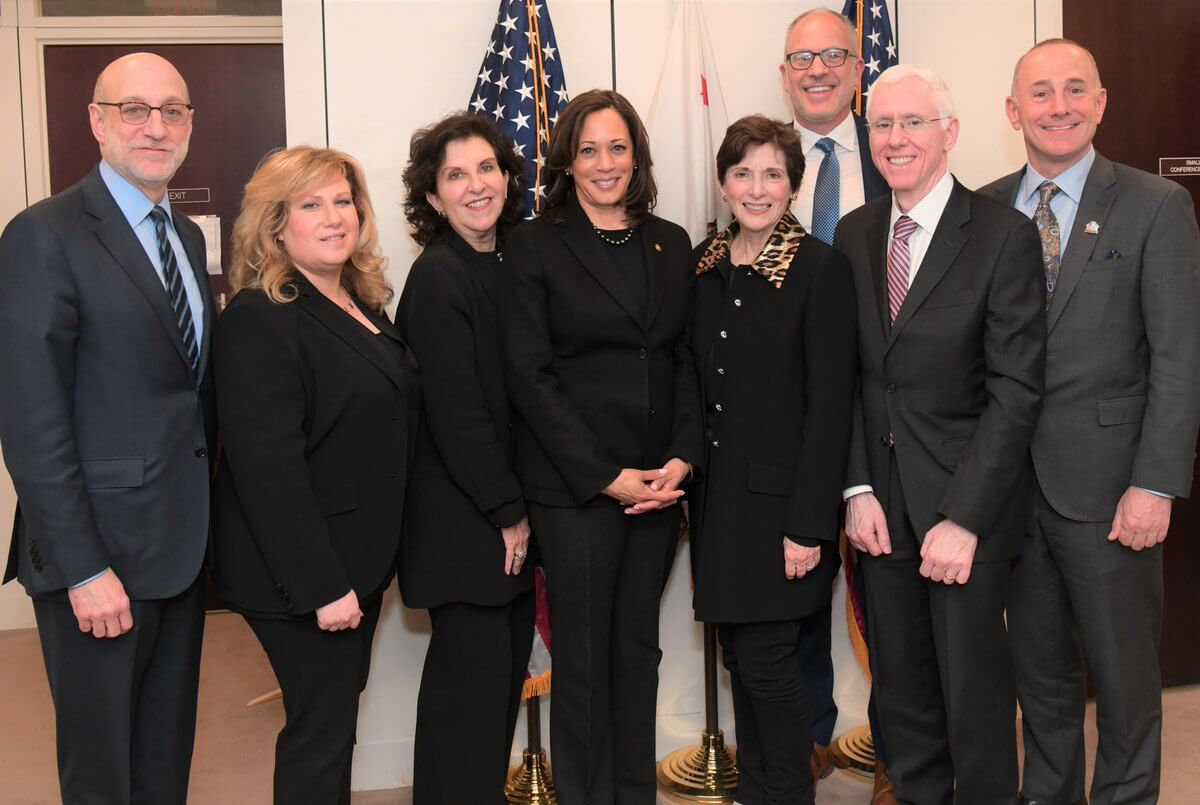
Last week presidential candidate California Senator Kamala Harris said she was skipping the AIPAC policy conference. But yesterday she met with AIPAC executives and proudly tweeted the photo, and AIPAC exulted that shed attended the conference after all! The flipflop follows years of Harris kissing up to the Israel lobby and to Benjamin Netanyahu.

President Donald Trump talks with Israel Prime Minister Benjamin Netanyahu and Jared Kushner in Jerusalem, May 22, 2017.

US recognition of Israel’s sovereignty over the Golan Heights will prove a boon for the Israeli right, which has been clamoring to annex vast areas of the West Bank and thereby drive a final nail into the coffin of the two-state solution. Israel’s right can now plausibly argue: “If Trump has consented to our illegal seizure of the Golan, why not also our theft of the West Bank?”

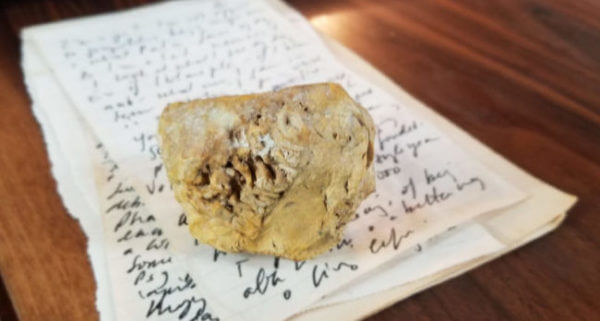
A rock from the West Bank village of Bil'in serves as a paperweight on Phil Weiss's desk.

Mondoweiss’s thirteenth birthday has got me thinking—about how a full-fledged news operation with thousands of contributors has emerged from my first experimental efforts. We’ve posted a timeline that highlights some key moments in Mondoweiss’s development over this time. In this message I talk about the single most important event in this site’s history: the decision by Adam Horowitz to join me in the work. Also: one of our most generous supporters has offered a birthday challenge! If we can raise $13,000 over the next three days, he will give us $13,000 more. Please help us meet that goal and unlock these much-needed funds!

Tell NARAL to #skipAIPAC

Even as pro-justice activists were celebrating the fact that many Democratic politicians– including the main 2020 presidential hopefuls–have skipped this year’s AIPAC conference in DC, a national campaign was hastily being launched to urge Ilyse Hogue, president of NARAL (National Abortion Rights Action League) and Amy Everitt (California head of NARAL) not to speak there.  

Below are some highlights of Mondoweiss’s first thirteen years. Below each image you can find links to many of the articles we found particularly memorable. If you find meaning in the evolution of Mondoweiss as a news source–which we believe reflects the progress of Palestine’s struggle for liberation–please donate today so we can keep providing information in a timely and thoughtful way, to all who need it.

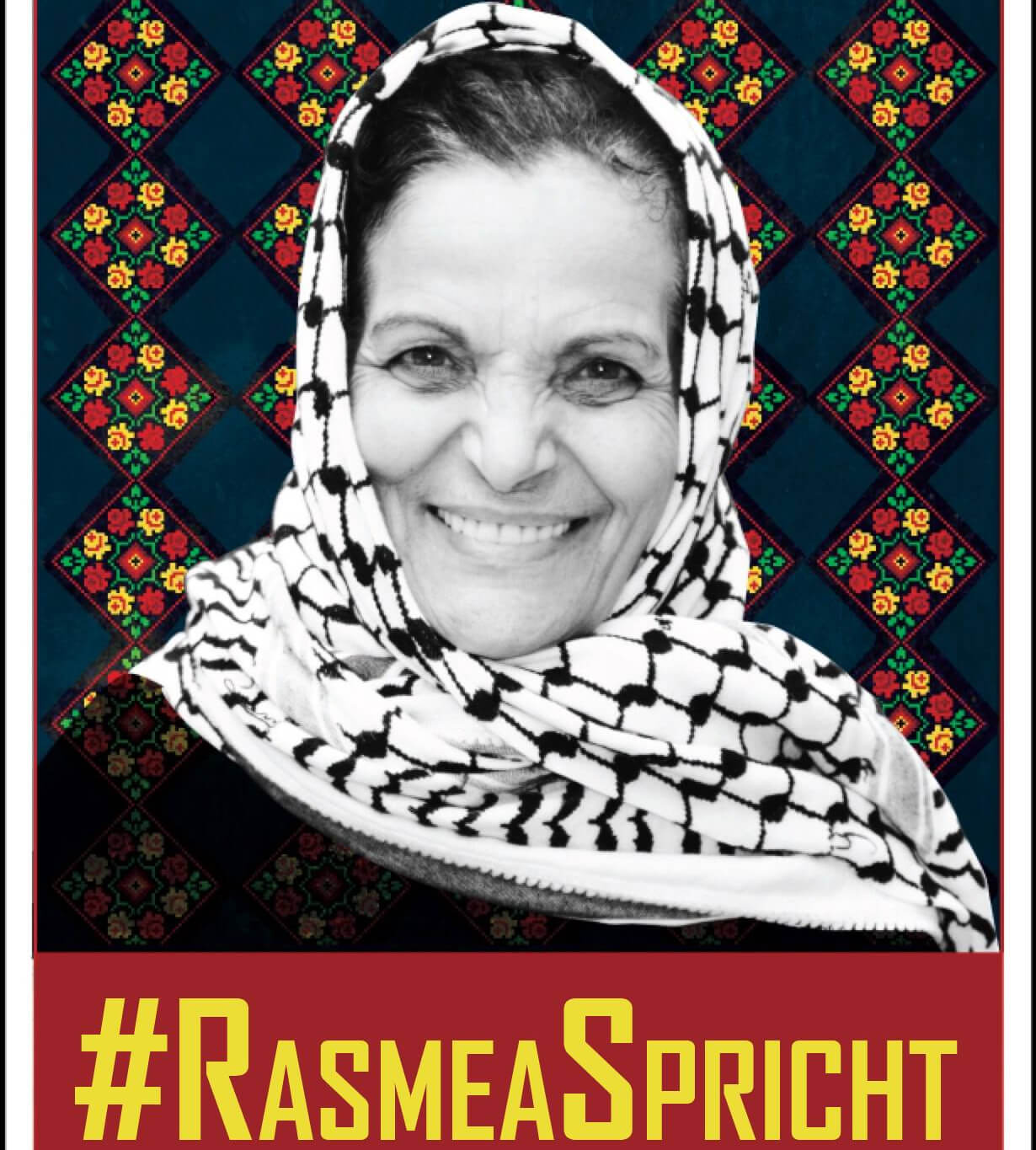
Logo for the Rasmea Spricht (Rasmea Speaks) campaign.

Palestinian activist Rasmea Odeh was banned from speaking at an event marking International Women’s Day in Berlin and faces the imminent threat of deportation. Gilad Erdan, Israeli Minister for Strategic Affairs, claimed credit for the decision taken by German authorities to revoke Odeh’s visa. The Rasmea Spricht campaign says, “Once again, Israeli officials have exerted their influence on Germany in order to prevent public criticism of its human rights abuses.”

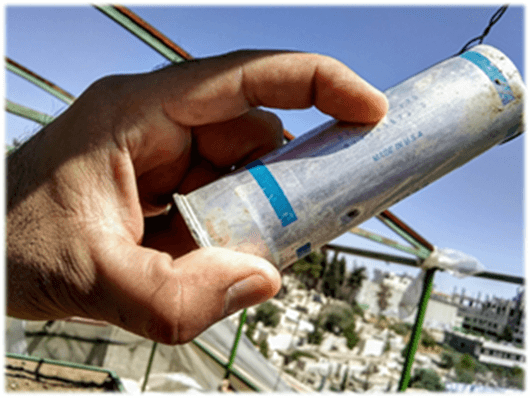
Daniel Segal holds a tear gas canister fired into the Aida refugee camp in Palestine and made in the USA. Foto by Patrisia Macias-Rojas.

Pitzer College’s governing council voted March 14 to suspend a program in Israel for the same reason US institutions ended collaborations with Apartheid South Africa in the 1980s. Pitzer President Melvin Oliver’s veto of the resolution not only harms Pitzer but harms Palestinians and Jewish Israelis, as it blocks a material contribution to expanding the possibility of justice and peace for all, Pitzer Professor Daniel Segal writes.