Author

Allison Deger

Browsing

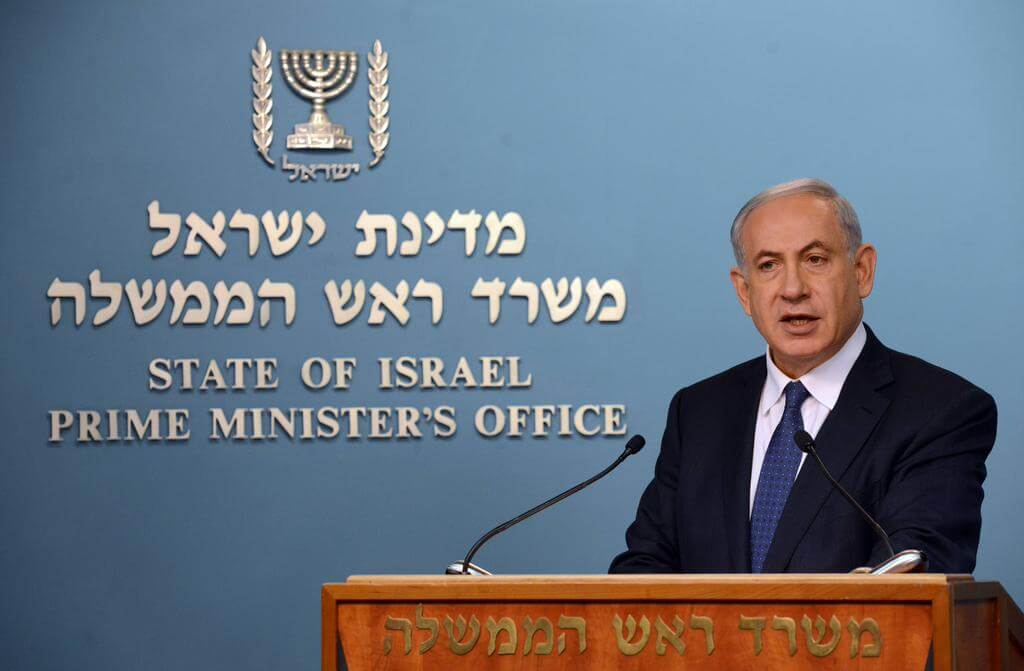
Over the past two days Prime Minister Benjamin Netanyahu has taken his most aggressive—and outlandish—tone yet on critics by accusing them of anti-Semitic tropes, following a collapsed effort to sanction Israel at the international soccer association, FIFA. Speaking to Knesset today Netanyahu said his country’s “actions are being twisted,” telling his parliament those who speak against Israel are initiating “false libels.”

Israeli Prime Minister Benjamin Netanyahu chairs a Cabinet meeting, December 17, 2023. (Photo: © Menahem Kahana/EFE via ZUMA Press/APA Images)

Confirmed last week Deputy Foreign Minister Tzipi Hotovely became the highest official in the foreign ministry, aside from Netanyahu who heads the portfolio. She will run day-to-day business, and is a vocal supporter of the greater Israel project. She is motivated by a religious belief that God gave the West Bank to the Jewish people, which she re-announced last week in her first address to the foreign ministry. In addition, another annexationist, Gilad Erdan became the public security, and the strategic affairs and hasbara minister. In his latter role, Erdan will produce public relations materials against the boycott, divestment, sanctions (BDS) movement and negotiations with Iran.

Having covered two wars, and nearly three years of reporting from the occupied Palestinian territory and Israel, Allison Deger decided to visit the Baltimore projects last week in the wake of the National Guard’s deployment. Although it bears little resemblance to the Middle Eastern conflicts she has seen, the televised images of the National Guard and tear gas, and public art works on walls that captures politics and death drew a superficial parallel she wanted to investigate further.

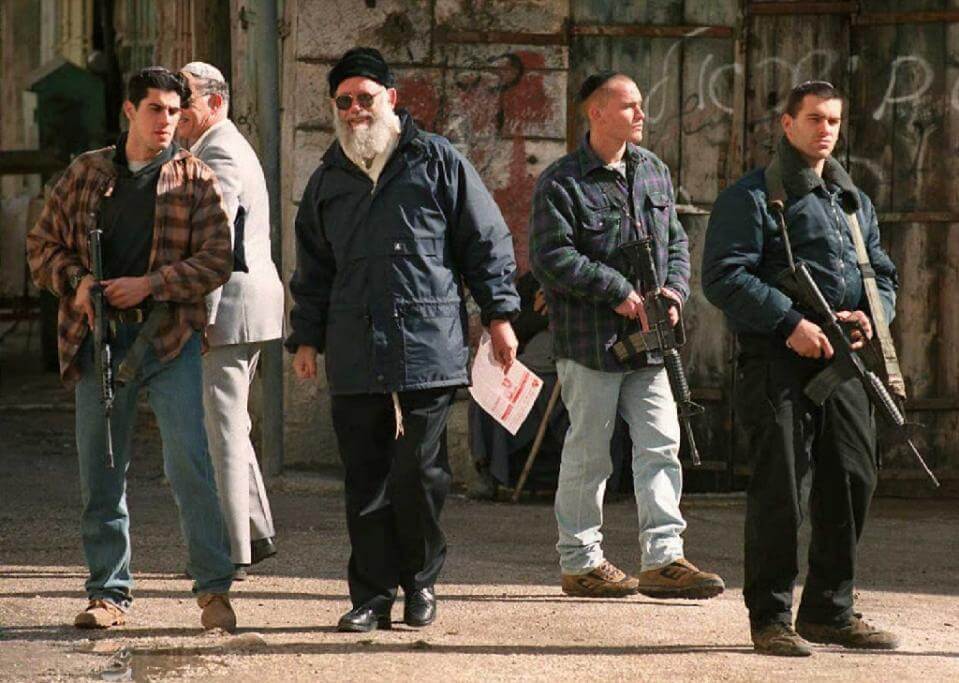
Rabbi Moshe Levinger, a hero of the settler movement and co-founder of its fundamentalist Gush Emunim group, who established Jewish communities in Hebron and throughout the West Bank, conducted armed takeovers of Palestinian homes, and was convicted of manslaughter, died on Saturday in the settlement of Hebron where he lived. Levinger was 80 and is survived by his wife and 11 children.

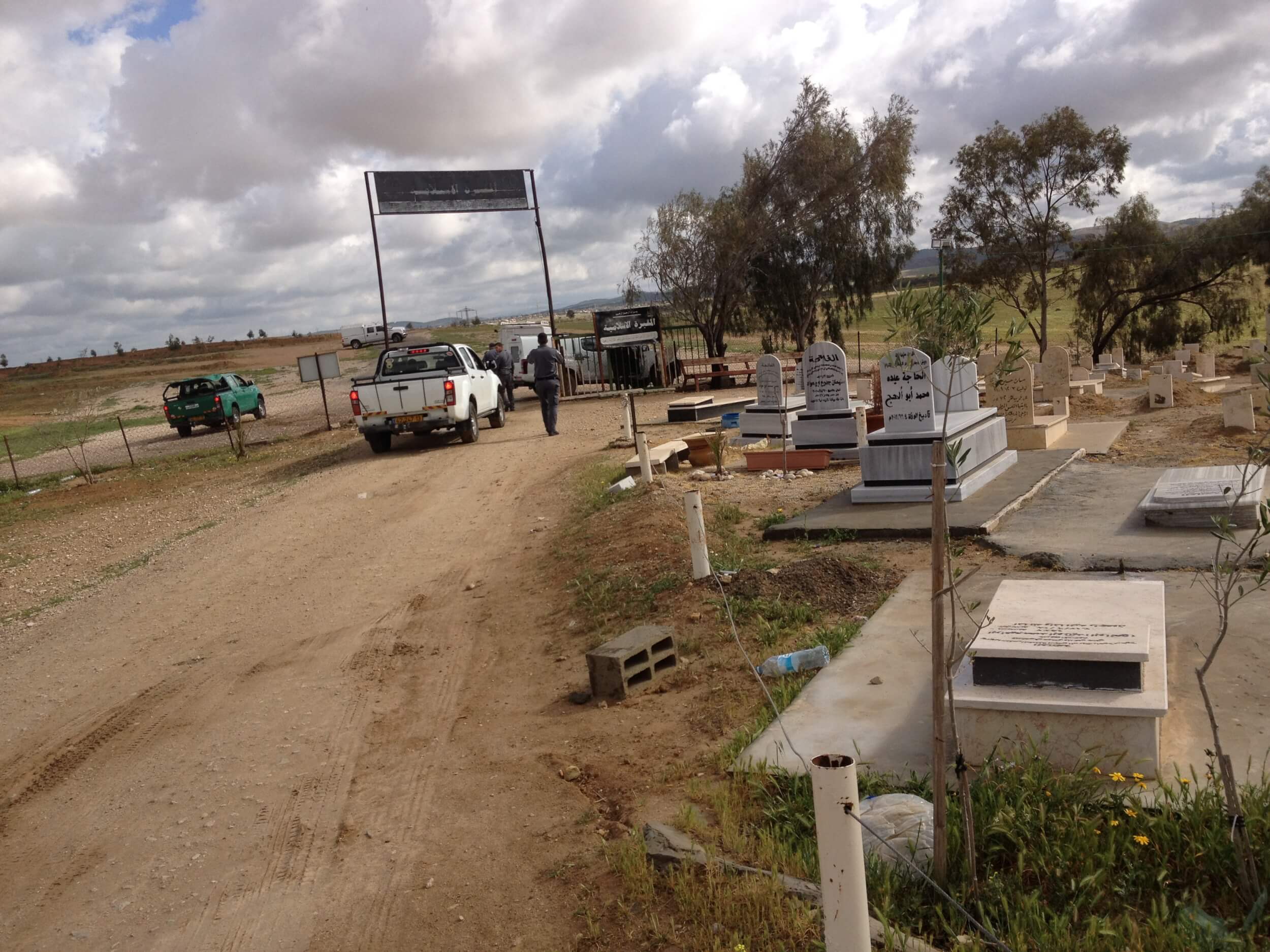
The unrecognized Bedouin village of al-Araqib was in court Wednesday, where the state of Israel argued the southern desert town must pay $500,000 [2 million Shekels] to cover the cost of demolitions, and more than 1,000 police deployed to carry out the destruction. Since 2010 al-Araqib has been razed to the ground 83 times, more than any other locality in Israel.

Late Wednesday evening Prime Minister Benjamin Netanyahu cinched a deal with Naftali Bennett’s hardline pro-settler group Bayit Yehudi to finalize a ruling coalition and secure his fourth term as Israel’s leader. Even with the deal, Netanyahu now hangs by a thread. His coalition includes a scant 61 out of 120 parliament members, down from the 67 votes he thought were in his pocket. The government will convene with a cabinet full of Netanyahu’s political rivals and a weak coalition—one of the weakest in Israel’s history. If Netanyahu cannot appease every member of his ruling government, he will need to seek support from his opposition led by the Zionist Camp’s Issac Herzog in order to survive.

Former governor of Arkansas Mike Huckabee speaking in Jerusalem in 2015 on a tour he led. (Photo: TheGreatestTrip.com)

Carly Fiorina promises to make Israel her first phone call as president. Mike Huckabee is “just nuts” about Israel. Jeb Bush calls settlements “apartments.” Ben Carson wants to transfer the Palestinians to Egypt. Marco Rubio has taken to dining with top-donor Sheldon Adelson. Ted Cruz is making the rounds with Fire Island’s pro-Israel community. And, Lindsey Graham who has not announced his bid, said if he is president he will have the first “all-Jewish” cabinet. As it shapes up, the Republican field in the 2016 U.S. presidential race is looking to be one of the most fiercely pro-Israel in memory.

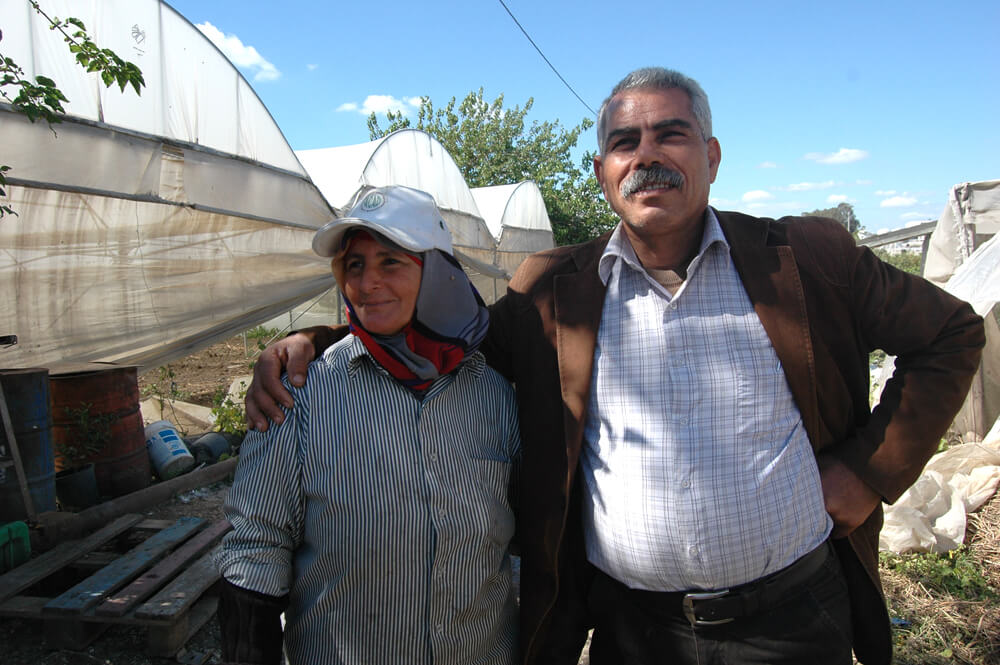
Fayez Tneeb marveled at his organically grown banana tree even though it is failing and rooted in a waste water stream. He and his wife Mona are proprietors of Hakoritana Farm in Tulkarm, located in the northern West Bank only 100 meters from Israel. For the Tneebs, harvesting pesticide-free agriculture that they take to a local market is a constant struggle. The couple’s plot of land is caught between an Israeli factory that manufactures fertilizers and agrochemicals, and Israel’s separation barrier.