As winter storms batter Gaza and cause catastrophic flooding for millions of displaced Palestinians, Israel has banned 37 international humanitarian organizations from working in the Strip, which is reliant on these organizations for survival.


As winter storms batter Gaza and cause catastrophic flooding for millions of displaced Palestinians, Israel has banned 37 international humanitarian organizations from working in the Strip, which is reliant on these organizations for survival.
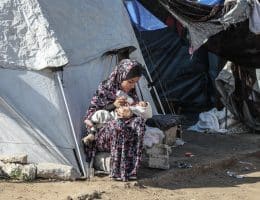
When I speak to friends and family in Gaza, it is impossible to have a conversation without talking about loss: loss of our homes, our livelihoods, and our loved ones. But even as we reel from two years of genocide, the hope of our people remains.

Under the relative calm of a ceasefire, Civil Defense crews in Gaza are undertaking the monumental feat of recovering thousands of bodies still trapped under the rubble.
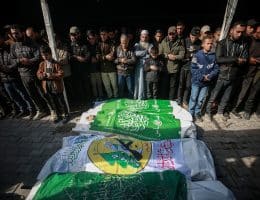
Since mid-October, Israel has carried out an assassination campaign in Gaza targeting resistance leaders. Contacts within the resistance say Israel is trying to lure them back into direct confrontation to avoid fulfilling its ceasefire obligations.
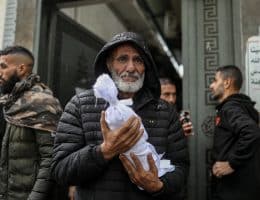
Severe weather conditions in Gaza have claimed the lives of 13 people, including babies who froze to death, as Israel continues to block the entry of aid that could provide shelter to 1.5 million Palestinians living in worn-out tents.

Israeli military chief Eyal Zamir says Israel views the “Yellow Line” dividing Gaza as its new border. Palestinians in Gaza report widespread demolitions east of the line, reshaping Gaza’s landscape through force in what they call a “second Nakba.”

Most Palestinians in Gaza say they don’t feel the relief they expected after the ceasefire. Israel keeps blocking aid into the strip, delaying reconstruction efforts, and leaving hospitals short on supplies, while people go hungry every day.

Yasser Abu Shabab had become an infamous figure in Gaza over the past two years for his role in collaborating with the Israeli army, looting aid convoys destined for starving Palestinians, and sowing social strife amid the genocide.

Palestinian journalists in Gaza aren’t reporting on something neutral. They’re reporting on their own reality.
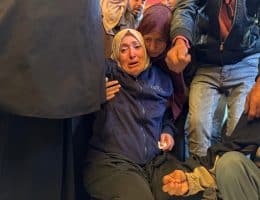
On Wednesday, Israel killed 33 Palestinians, including 12 children, in its latest violations of the Gaza ceasefire. Those killed include Palestinian families trying to return home and others caught in Israeli attempts to assassinate Hamas leaders.