A few years ago it felt like Roger Waters might be blacklisted by Israel supporters over his support for Palestine. But this summer he is filling stadiums around the country talking about Palestinian liberation.
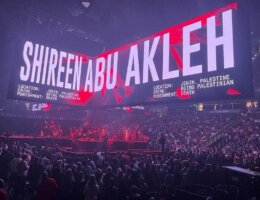

A few years ago it felt like Roger Waters might be blacklisted by Israel supporters over his support for Palestine. But this summer he is filling stadiums around the country talking about Palestinian liberation.

Listen to “On Your Own (Lewahdak),” a song by Haidar Eid based on the poem by Egyptian-Canadian activist Ehab Lotayef.
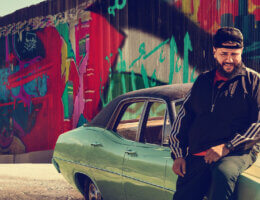
The new Netflix series “Mo” is a fresh, complex, politically nuanced depiction of the Palestinian refugee experience in the US.
The Rev. Don Wagner’s memoir of five decades as an activist leader celebrates how liberation theology led him to a deep connection with the Palestinian spirit of resistance.
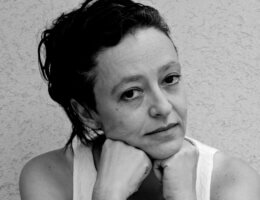
Award-winning Palestinian-Chilean author Lina Meruane reflects on the place of Palestine in her writing

Shaul Magid’s biography of Meir Kahane is timely because Kahane is an icon for the messianic Jewish leaders who are pushing the country further right. The book is Magid’s “attempt to understand his worldview.” But Kahane’s worldview is easy to understand: Jews must forever rule the Promised Land. And that extremist religious Zionism now sets the agenda for the country.
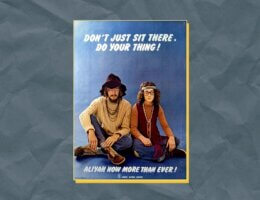
Liz Rose wrestles with the Zionism she found so enthralling as a girl. “I didn’t care about my Russia Ukraine history. From a very early age–and with enormous help from the Zionist lobby’s efforts to create a brilliant branding campaign–I fantasized about and idealized Israel far more than I ever wondered about the true place my family was from. Instead of learning about Russia Ukraine, I dreamt of working in a field picking tomatoes on a kibbutz in Israel, singing songs while tilling the land, and putting down new roots with other young Jews who, like me, had cut the branches from their families in the U.S. (and Europe) and left their old lives behind.”
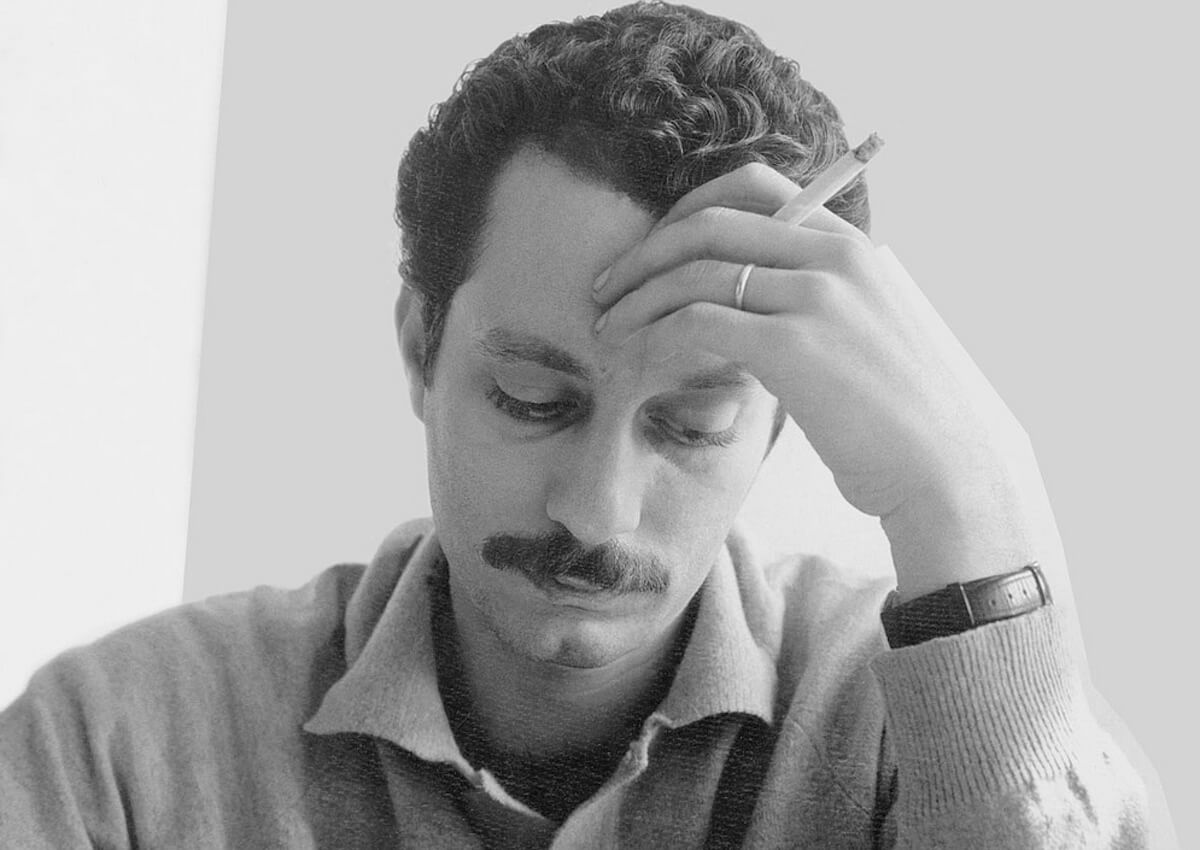
July 8, 2022 marked the 50th anniversary of the assassination of Ghassan Kanafani, a towering figure in Palestinian cultural and political life. Haidar Eid writes that Kanfani’s fiction remains essential because it is characterized by a realism that moves us towards a new perception and understanding of art, revolution, and, of course, Palestine.

In her book “Sambac Beneath Unlikely Skies,” Heba Hayek shares the poignant logic of exile through fragmented stories of a girlhood.
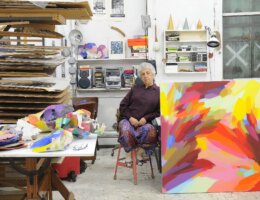
Throughout her five decade long career, renowned Palestinian artist Samia Halaby has been known for her stunning abstract expressionist works, as well as her outspoken activism. Her latest project, Drawing the Kafr Qassem Massacre, raises the question of how Halaby addresses and locates politics in her work – and whether her Marxist understanding of politics is fast receding from an art world increasingly focused on questions of political efficacy.