Rashida Tlaib’s bill calling to end U.S. support for Israel’s ongoing invasion of Lebanon upset Democratic Party leaders who want to avoid a vote on Israel. Now, Congress may take a groundbreaking vote to rein in Israeli aggression.
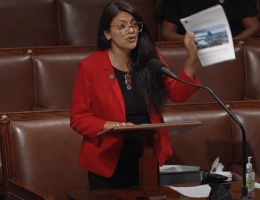

Rashida Tlaib’s bill calling to end U.S. support for Israel’s ongoing invasion of Lebanon upset Democratic Party leaders who want to avoid a vote on Israel. Now, Congress may take a groundbreaking vote to rein in Israeli aggression.

I was arrested with four other students and Greta Thunberg during a protest advocating an academic boycott of Israel, and we now face up to six years in prison. This is about criminalizing dissent amid a genocide, not upholding the law.

Pro-Israel smear campaigns have ended many political careers in the past, but they’re now falling flat. This shift is one of the clearest signs that Israel’s standing in U.S. politics has changed, likely permanently.

In May, the New School’s Student Senate sanctioned its Hillel chapter for its ties to Israeli war crimes and violations of international law. With 850 chapters worldwide, students everywhere should join the campaign to “Drop Hillel.”
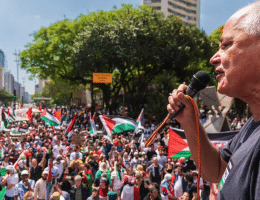
The IHRA definition of antisemitism is being used in a coordinated offensive across Latin America to criminalize solidarity with Palestine. The targets are not only Palestine activists but also the backbone of Latin America’s social movements.
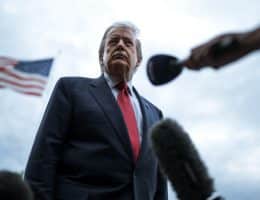
Donald Trump reportedly has a deal on the table to suspend fighting and begin negotiations to end the Iran war and the resulting global economic crisis. But Israel and Iran hawks see it as a disaster and are working to undermine it. Who will win out?

European governments are finally being forced to condemn Israel as its crimes have become impossible to ignore. But they are scapegoating National Security Minister Itamar Ben-Gvir rather than confronting the system he represents.

The U.S. is starting talks on a new military aid deal for Israel as support for the country hits an all-time low. Israel’s supporters are feeling the pressure and pushing for cosmetic changes, but don’t fall for it. We need a full arms embargo now.

Trump’s Board of Peace is in financial crisis and wants to use funds taken from the Palestinian Authority to pay for Gaza’s reconstruction. Palestinians would pay twice over: money stolen from the West Bank would be used to cement Gaza’s occupation.

My lecture at the American Psychiatric Association’s annual meeting on trauma in Gaza was canceled after a pressure campaign by pro-Israel groups. Health professionals must be able to speak about Palestinian suffering without fear of punishment.