Although trained as a social researcher, when the war began in October 2023 I joined the search and rescue team in the Gaza City neighborhood of al-Shuja’iyya. Here are some of my stories of being a first responder during the Gaza genocide.
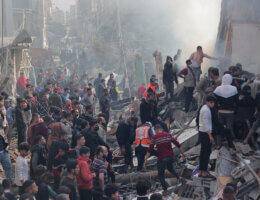

Although trained as a social researcher, when the war began in October 2023 I joined the search and rescue team in the Gaza City neighborhood of al-Shuja’iyya. Here are some of my stories of being a first responder during the Gaza genocide.

In the wake of the ceasefire in Gaza, a poem about maintaining militant clarity on what the last year of Zionist genocide means for writers and people of conscience across the world.

The Biden administration could have delivered the same ceasefire agreement last year, but they refused to exert pressure on Netanyahu.

Since the ceasefire was announced, Israel has continued to bomb Gaza, and Israeli ministers have promised to sabotage the deal. Fear and skepticism have overtaken celebrations in Gaza, as millions wait anxiously for the deal to take effect on Sunday.

In the wake of a ceasefire, many will try to force the discourse into a binary of victory and defeat. But as the dust settles, a true picture emerges: one of the fragility of the Israeli colony, and the transformative power of resistance.

As of Friday a ceasefire deal still hung in the balance. After delays by Netanyahu, Israel’s cabinet finally convened to deliberate on a vote. But even if the deal goes through, all signs are pointing to Israeli plans to sabotage it after phase one.

A ceasefire deal was announced on Wednesday, promising an end to more than a year of Israel’s genocidal war on the Gaza Strip. The ceasefire is planned to take effect on January 19, pending a vote from the Israeli security cabinet.

A recent 60 Minutes report featured State Department officials exposing the horrors of Biden’s policy in Gaza. Why did they wait until he was leaving office to run it?

Israel’s genocide in Gaza has failed because although it destroyed Gaza’s infrastructure, it couldn’t destroy Gaza itself; it couldn’t destroy the people. Just as Israel has been unable to destroy Palestine after 76 years of trying.

Now that a ceasefire has been agreed to in Gaza, the bombs will stop falling, and the world will breathe a sigh of relief. Yet, for those of us who survived, the war hasn’t ended—it has merely transformed.