In the pediatrics department at Nasser Hospital in Gaza, doctors are seeing a surge in stunted growth among children. This lasting mark of Israel’s engineered famine may affect cognition, hormones, and health for generations to come.


In the pediatrics department at Nasser Hospital in Gaza, doctors are seeing a surge in stunted growth among children. This lasting mark of Israel’s engineered famine may affect cognition, hormones, and health for generations to come.

Prices have fallen sharply since the famine of 2025, but with purchasing power destroyed by nearly three years of war and displacement, food on the shelves remains out of reach for the majority of Gaza’s population.

Israeli restrictions on food entry are stalling recovery from famine in Gaza as malnutrition cases climb, an IPC report finds. Two-year-old Hashem Abu Mustafa, born hungry in a Rafah tent, may already be beyond saving.
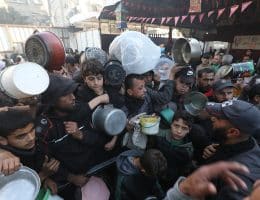
Once Israel and the U.S. launched their war on Iran, Israel closed the crossings into Gaza and cut off all aid. Palestinians in the Strip now fear a return to famine amid food shortages and soaring prices.

The International People’s Tribunal on Palestine held in Barcelona presented striking evidence of Israel’s forced starvation of the Palestinian people and the deliberate destruction of food security in Gaza.

As aid trickles into Gaza, famine-related deaths keep rising. The Gaza Health Ministry warns that “mass death” will soon be seen among infants, as mothers feed them “water instead of baby formula.”

Local authorities in Gaza have identified a “new strain” of respiratory virus in Gaza amid worsening conditions of famine and severe malnutrition, which threaten to cause even routine infections to turn deadly.

Midwives in Gaza are on the front lines fighting against extermination, trying to save this generation and the next, as the Israeli-imposed famine causes a birthing crisis in the Strip.
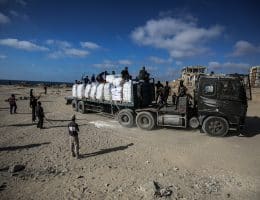
Israel is “managing” the famine in Gaza by targeting aid shipments while allowing some goods to reach local markets only if merchants pay the military an exorbitant fee. The system accomplishes two goals: engineering starvation and creating chaos.

Why has starvation been so crucial in getting some to finally admit Israel is committing genocide in Gaza, as compared to deadlier atrocities? The answer lies in the dehumanization of the Palestinian people and the desire to find “innocent” victims.