With 64 percent of Palestinians under 30 and elections announced for November, a generation that has never voted is being asked to trust a political system that has failed them — before, during, and after the genocide in Gaza.


With 64 percent of Palestinians under 30 and elections announced for November, a generation that has never voted is being asked to trust a political system that has failed them — before, during, and after the genocide in Gaza.
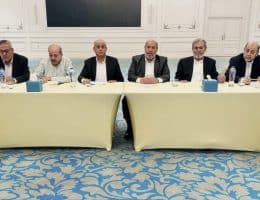
Hamas, Islamic Jihad, and rival Fatah dissidents have united in an unprecedented coalition for the first Palestinian elections since 2006. But Israeli repression and foreign pressure raise doubts about whether free politics is possible under occupation.
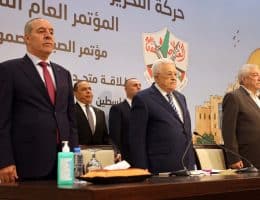
As Fatah holds its Eighth Congress, insiders tell Mondoweiss that the dominant movement in Palestinian politics for over 50 years is in disarray. With Palestinians under threat on multiple fronts, the meeting may be the last chance to fix the crisis.
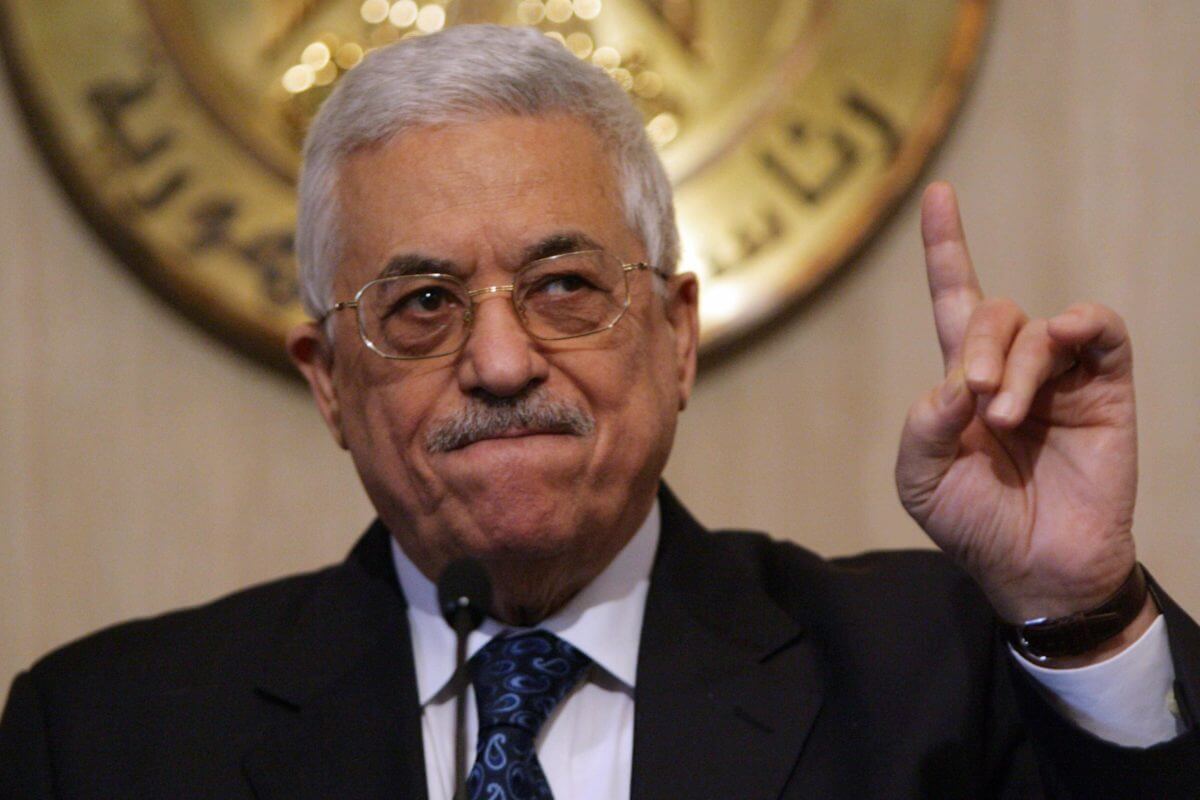
Palestinians are in a political crisis. With Palestinian society divided, and no unified national leadership to represent it, regional and global powers are drawing up plans for the future of Gaza and Palestine – without any say from Palestinians.
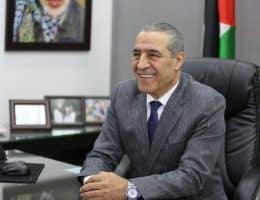
Prominent political figure Hussein al-Sheikh was recently tapped by President Mahmoud Abbas as vice president of the PLO, and by extension, Abbas’ successor. The appointment tells us a lot about what the future of Palestinian politics may look like.
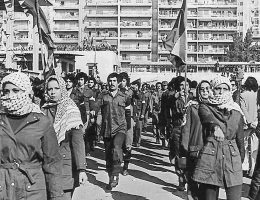
The same reality that compelled Palestinian refugees in Lebanon to take up arms in the 1970s persist to this day. The Palestinians of the camps now view the resistance movement in Gaza with renewed hope for liberation.

Anti-Hamas protests this week in Gaza reflect widespread Palestinian desperation amid the Israeli genocide. The figures behind the protests might also indicate that external actors are now seeking to exploit Gaza’s pain for political gain.

Watching the Gaza genocide from Beirut’s Shatila refugee camp brings back painful memories to Palestinians who lived through siege and war, but it is also providing inspiration to a new generation with hope of a liberated Palestine.
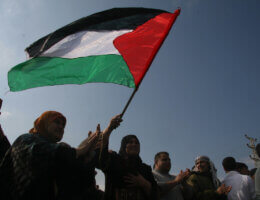
The new reconciliation deal between rival Palestinian factions could not come at a more critical time. As Palestinians face the Gaza genocide, the political survival of the Palestinian leadership might hinge on finally finding unity.

In a visit this week, Mahmoud Abbas hailed the Jenin refugee camp as an icon of resistance even as the PA continues imprisoning resistance fighters. But as a member of the Jenin Brigade once told Mondoweiss, “Ramallah will not see freedom” while the PA rules there.