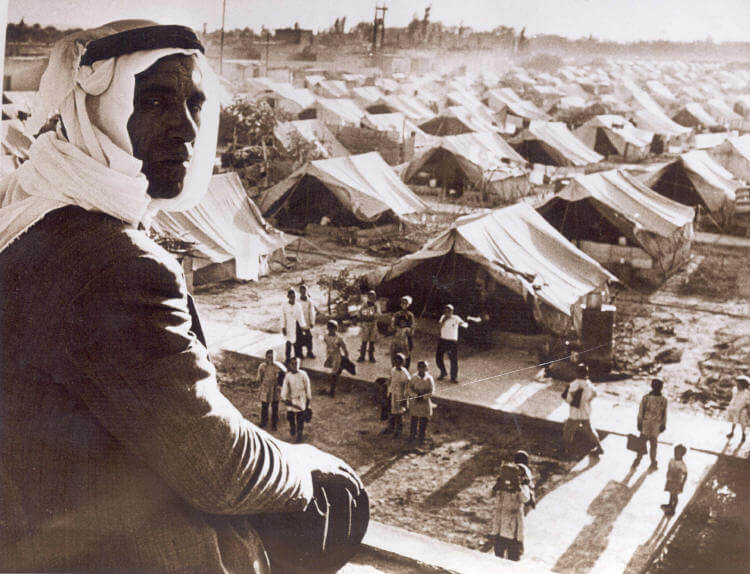
This week Palestinians will memorialize the starting point of their plight as a stateless people, observing the Nakba, literally “the catastrophe” in Arabic. This year the athletic retailer Reebok was planning a special commemorative sneaker for Israel and its 68th independence in blue and white with “Israel 68” on the sole. But now Reebok is now distancing itself from the Israel shoe. It said in a statement today the footwear was “prepared by an independent designer and should not be presented as a product by the company’s international brand.”

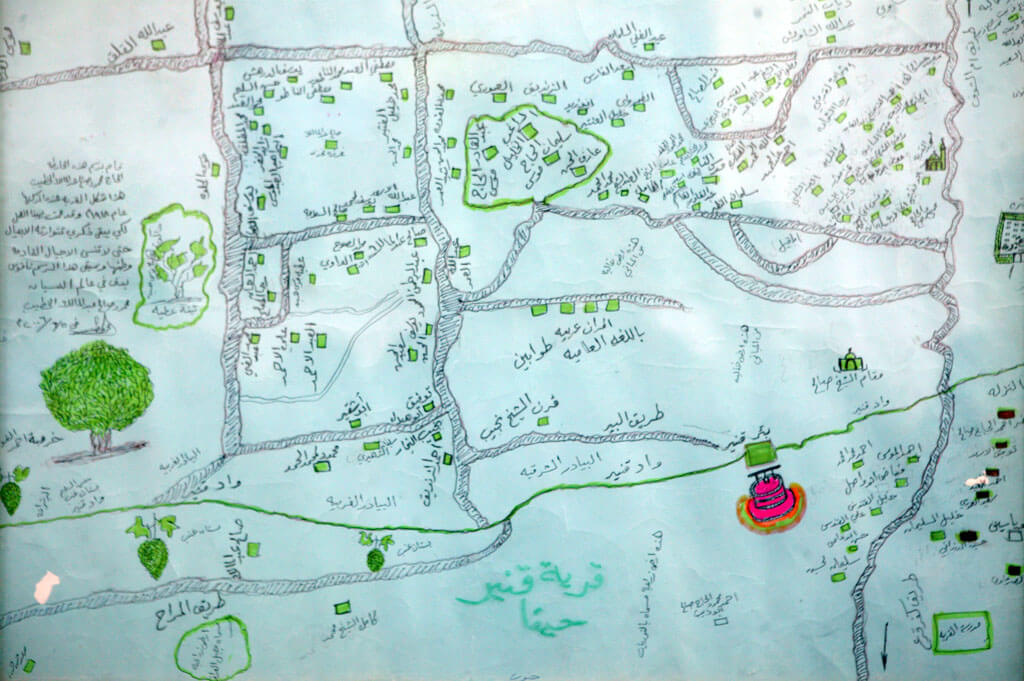
Vacy Vlazna writes, “The spirit of Dr Abu Sitta’s ‘Mapping My Return: A Palestinian Memoir’ mirrors precisely the dynamic quintessence and will of it’s creator – in a word- sumoud – a compelling steadfastness to his homeland Palestine and to the right of return of every Palestinian.”
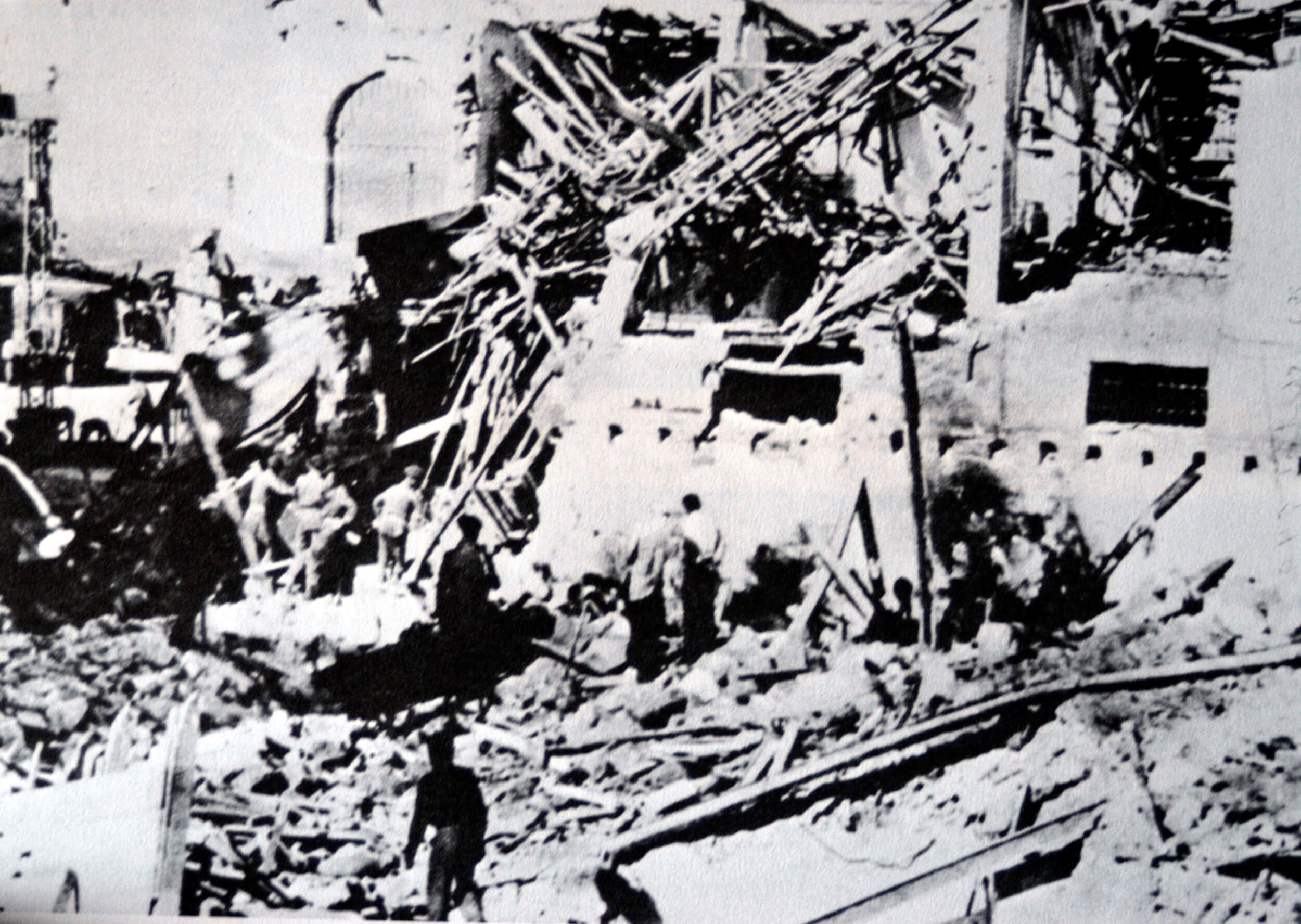
Palestinians on Saturday marked the 68th anniversary of the massacre of more than 100 Palestinian civilians carried out by Zionist paramilitary groups in the village of Deir Yassin in 1948 prior to the establishment of Israel. Deir Yassin has long been a symbol of Israeli violence for Palestinians because of the particularly gruesome nature of the slaughter, which targeted men, women, children, and the elderly in the small village west of Jerusalem.
Maurice Ebileeni reflects on his family’s history of becoming Palestinian citizens of Israel during the Nakba instead of refugees in Lebanon or Syria. Aylan el-Kurdi tragic death has made him realize how easily he could be a refugee attempting to flee Syria now if his family had only made a different choice decades ago.
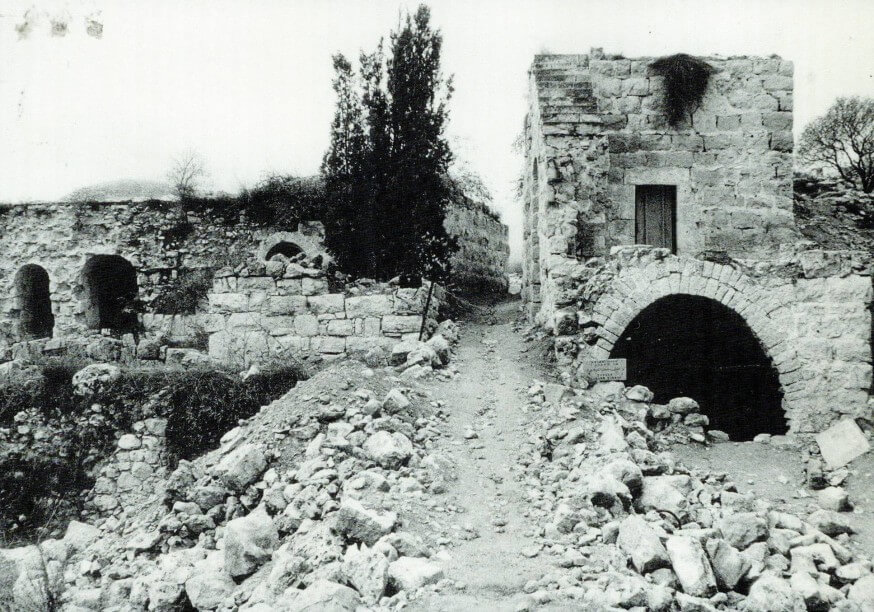
Tantura was a beautiful Palestinian fishing village 15 miles south of Haifa. In the early hours of May 23, 1948 it was attacked and occupied by the Haganah. Over 200 villagers, mostly unarmed young men, were massacred; others were taken prisoner and put to forced labor. The site of the village is now a beach resort. The mass grave in which the victims of the massacre are buried is covered by a parking lot. Stephen Sheinfeld interviews Hala Gabriel, a Palestinian-American filmmaker, about her new film Road to Tantura. Gabriel was born as a refugee to parents who had fled from Tantura (the house left partly standing had belonged to her family). In 2010, Hala managed to enter Israel and visit the site of her ancestral village. She also met relatives who had taken refuge in the nearby village of Fureidis, which had escaped destruction, and interviewed three of the men who had participated in the attack on Tantura.
Author Naomi Wolf asks whether the system that Germany, Austria and other countries used to compensate Jews and their descendants for the Holocaust could be used as a model for reparations for the Nakba.
Due to years of activist support for the threatened village of Susiya in the occupied Hebron Hills, the New York Times, the State Department, and the European Union have told Israel to leave the Palestinians alone. Will demolition plans move forward?
Amer Hussein’s grandmother passed away three days ago, just days before the 67th commemoration of the Nakba, when she was forced from her home in Palestine. He writes, “I was not left with a key to a house like many other Palestinians; my only inheritance is their memories. Memories handpicked like sweet grapes from their vineyard to compose a memory book; our passport for return, and a burden to never forget the 6 olive trees, the jasmines and the water well.”
On Nakba Day, Mariam Barghouti writes about her grandfather. She says even when his memory fails, sometimes mixing up his grandchildren, he can still tell you the stories of Palestine in perfect detail. She says such recollection acts as the burden and savior of Palestinians. She writes, “It is within that memory we find pain, and within that memory we implement our existence.”
A new Israeli organization called De-Colonizer produced a video asking Israelis on the street in Tel Aviv about the meaning of the word “Nakba.” The answers range from the nonsensical to the profound. Yara Dowani served as an Arabic translator on the project and responds to what she saw: “Reading the answers gave me a very unpleasant feeling about the ignorance that most of the Israelis are living. Should I blame the Israeli education system for example? Or blame those who don’t know what the meaning is because they don’t look for the truth and search for it?”