The Gaza genocide, in its relentless accumulation of dead children, obliterated neighborhoods, and starved bodies, is an assault on the capacity of Palestinians to be horrified by everyday atrocities — or to be enchanted by the possibilities of liberation.
Israeli violence in the West Bank isn’t as dramatic as in Gaza, but it is methodical, durable, and sometimes harder to understand. Here’s how Israel is using settler terror, financial policies, and legal tactics to suffocate Palestinian life.
The Israeli government recently took radical steps to change the legal status quo in the West Bank. Here’s what these changes mean and how they set the stage for annexation.
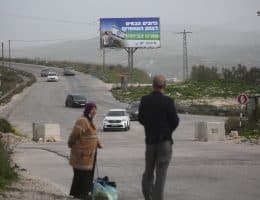
Israel has begun rebuilding the four settlements that it evacuated in the northern West Bank in 2005. Settlers and the army are trying to expel Palestinian already living in the area by making the land “impossible to live on,” residents say.
The last family in the Palestinian village of Yanoun left their home last week, joining a growing list of communities that have been erased from existence through the establishment of Israeli “shepherding outposts” in their place.
Last month, 16-year-old Palestinian-American Mohammed Ibrahim was finally released after nearly 10 months in an Israeli prison. His freedom follows a campaign by over 100 organizations pressuring the Trump administration to intervene on his behalf.
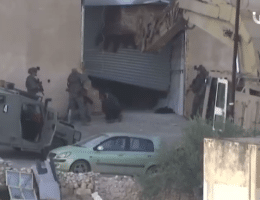
Human rights organizations call the killing of two unarmed Palestinians in Jenin by Israeli soldiers an “extrajudicial execution.”
Since the Gaza ceasefire, Israel has intensified its operations against Palestinians in the West Bank, conducting military raids in the north and increasing settler attacks on Palestinians harvesting olive groves.
Taybeh, a small West Bank village known for its Christian heritage, is far from Gaza. But in the two years since October 7, life has changed dramatically as the genocide and Israeli occupation have affected all Palestinians.