Mamdani-backed candidates swept New York City’s Democratic primaries. What do these wins tell us about Palestine’s place in the Democratic Party, and will they help shape the upcoming primaries?


Mamdani-backed candidates swept New York City’s Democratic primaries. What do these wins tell us about Palestine’s place in the Democratic Party, and will they help shape the upcoming primaries?
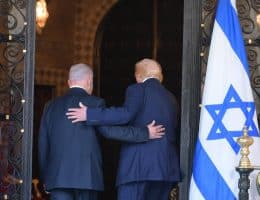
The American order that gave Israel stability now constrains Israel’s expansion. In response, Israel is dismantling U.S. hegemony in the region, turning allies Turkey and Egypt into enemies, and working to end the U.S.’s ability to restrain it.
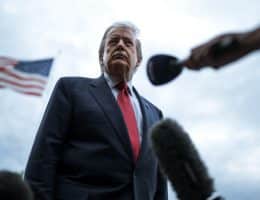
Both Iran and Israel are gambling a great deal of their futures on what Trump will do next. Indeed, the fate of the world, in a very real sense, hangs in the balance.

Netanyahu has staked Israel’s economic future on becoming a Mediterranean trade hub to replace the Strait of Hormuz. The war on Iran was supposed to make that possible, but it consumed the fiscal space, U.S. backing, and Gulf capital needed for it.

Israel has seized homes inside Palestinian Authority territory, a UK court has sentenced solidarity activists as terrorists, and released detainees describe the torture of a Gaza doctor.

My generation of Jews entered Harvard in the 1970s as outsiders and left as the establishment that built support for Israel. Today, attitudes have shifted completely, yet my group still can’t discuss Palestine. Fortunately, no one is waiting for us.

Robin Andersen’s indispensable new book, The Complicit Lens, offers a comprehensive examination of the media’s role in supporting the Israeli genocide in Gaza.
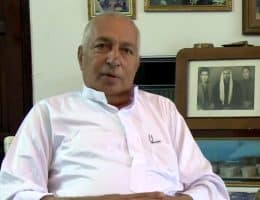
This Father’s Day, Miramar Abusaleem reclaims her father’s memory — a Gaza farmer killed by an Israeli airstrike, and namesake of The Sameer Project — challenging how Palestinian men disappear from media coverage of the genocide.
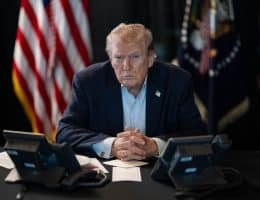
After months of war, the U.S. and Iran have signed a framework agreement that excludes every U.S. war aim. Mouin Rabbani breaks down why this is a decisive defeat for Washington and Israel.
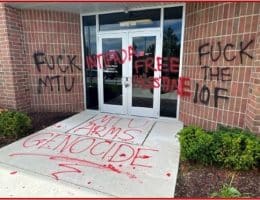
Eight Palestine solidarity activists in Michigan face decades in prison over property damage. The Justice Department’s disproportionate charges reveal a broader effort to crack down on Palestine solidarity activism as a whole.