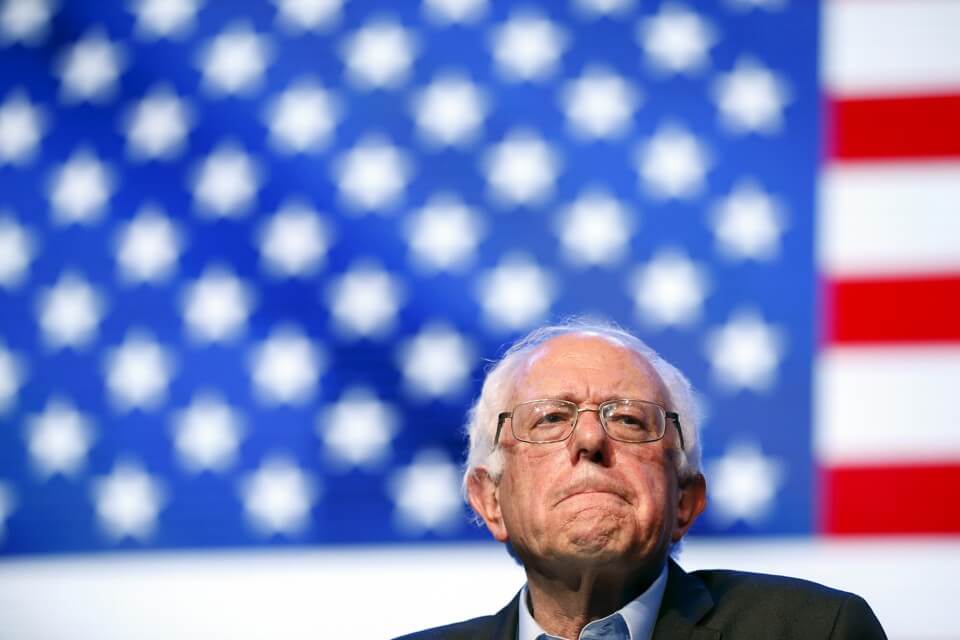
For a few magic weeks, Bernie Sanders was taken seriously as a presidential candidate with a chance to win – a huge watershed for a self-avowed socialist. But after falling short (even if slightly) in Iowa and Nevada, and with no friendly states on the horizon, Sanders is back in protest candidacy territory. Could taking on Hillary Clinton’s warlike foreign policy, which Sanders stubbornly refused to do, have changed the game?
Mort Zuckerman’s opposition to the Iran Deal was an expression of the “Coffee Party,” Haim Saban wrote to Hillary Clinton in an unclassified email, in a reference to neoconservatives. But Saban is just as strong as Zuckerman on Israel. Why aren’t the media exploring these differences?
At a town hall in South Carolina last night on MSNBC, Donald Trump said the Israel/Palestine deal was the toughest agreement in the world to pull off, it might be impossible to make a deal, so he had to be neutral on the question. Then he twice smeared Palestinians, saying they were brought up as children to hate Jews.
Steven Salaita was smeared as anti-Semitic for saying that Zionism is pervasive in the establishment, but his point is proven by the anger from leading law firm Milbank, Tweed at Harvard Law School for giving $500 of its gift to a Palestinian solidarity group, resulting in the withdrawal of the entire gift
Sabith Khan says we need to address the root cause of xenophobia and racism to tackle Islamophobia in the ‘public sphere,’ but what goes on in the ‘private sphere’ is far more important.
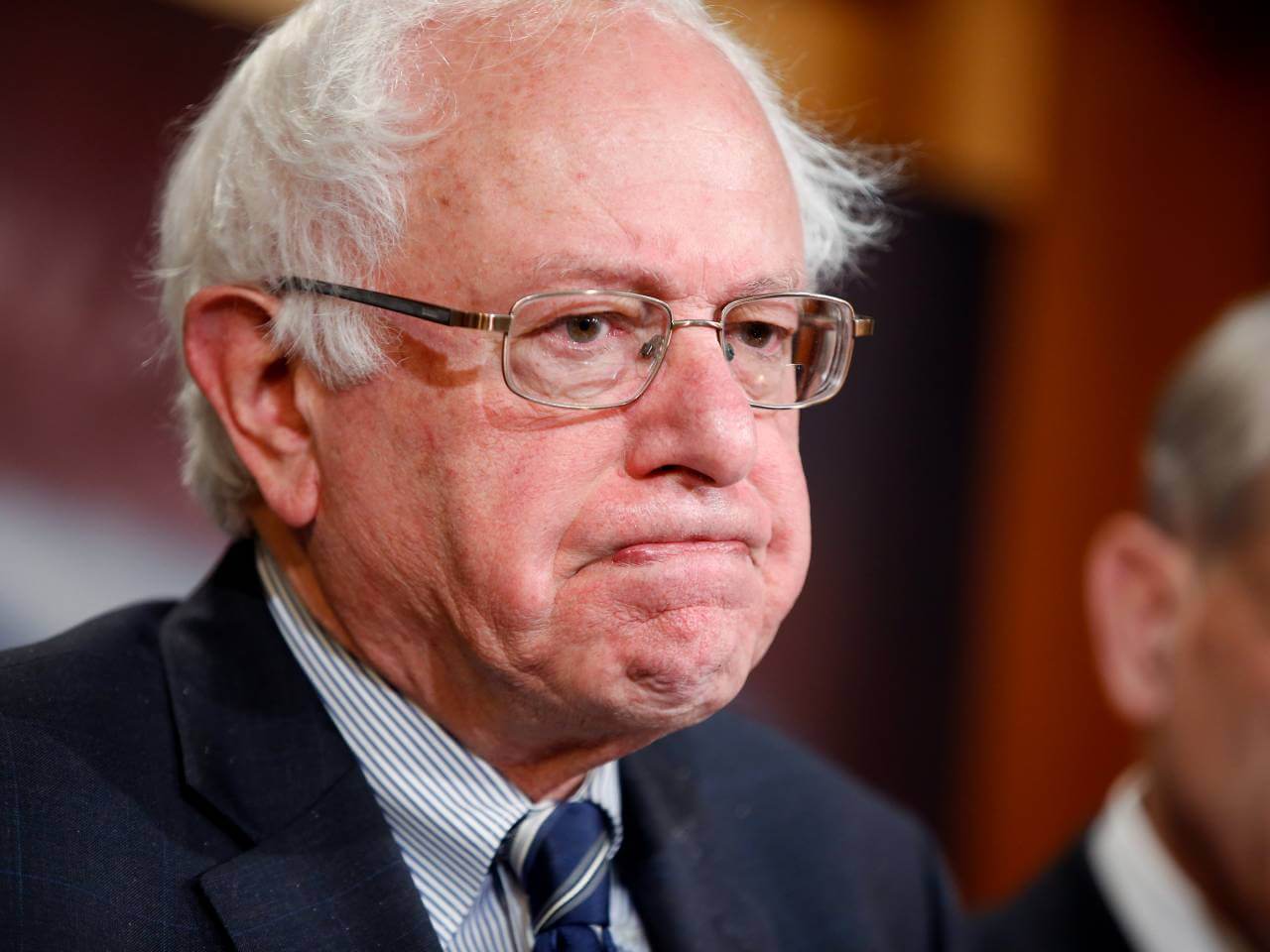
Bernie Sanders could make political hay by pointing out the many occasions Hillary Clinton has criticized Obama foreign policy, on ground forces in Syria, on her bellicose comments about Iran, and in her embrace of Benjamin Netanyahu. He could articulate a populist foreign policy. But he’s been reluctant to do so so far.
Recent endorsements of Hillary Clinton by Madeleine Albright and Gloria Steinem brought into focus a long-standing division between powerful, privileged white women’s feminism and intersectional feminism, with its focus on the necessity of analyzing overlapping and intersecting systems of oppression. Nada Elia writes that Palestine stands at the fault line between these two understandings: “Global feminist solidarity is necessarily an anti-colonial, intersectional practice, rather than a diamond-bejeweled white fist raised towards a glass ceiling which prevents privileged women from achieving the presidency of the world’s largest hypermilitarized imperial power.”
In 2009, Mike Allen of Politico held an unseemly “secret contest” with White House and State Deparment officials to name the foreign policy column at the publication. Three of those officials have gone on to form a consulting group that sells neoconservative-lite ideas about US policy
Last night Hillary Clinton criticized Bernie Sanders for not having foreign policy advisers. She thereby echoed the conventional wisdom in the corporate media that Bernie Sanders is lacking in foreign policy smarts, and a symptom of the deficit is his absence of a braintrust. We decided to put forward our own list of names Bernie Sanders might want to consult.
As the Democratic primary intensifies there has been increased focus on what a possible Bernie Sanders foreign policy could look like. Phyllis Bennis with the Institute for Policy Studies says, “A theme for Bernie’s foreign policy doctrine could be reduced to a very simple point that links directly to his longstanding focus on economic inequality: No Wars for the Billionaire Class.”