Water shortages in Gaza due to Israeli fuel cuts are leaving Palestinians in a double crisis: a COVID-19 lockdown combined with fears over meeting basic needs.
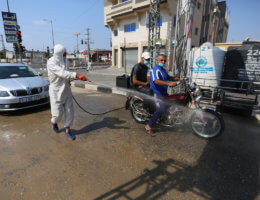

Water shortages in Gaza due to Israeli fuel cuts are leaving Palestinians in a double crisis: a COVID-19 lockdown combined with fears over meeting basic needs.
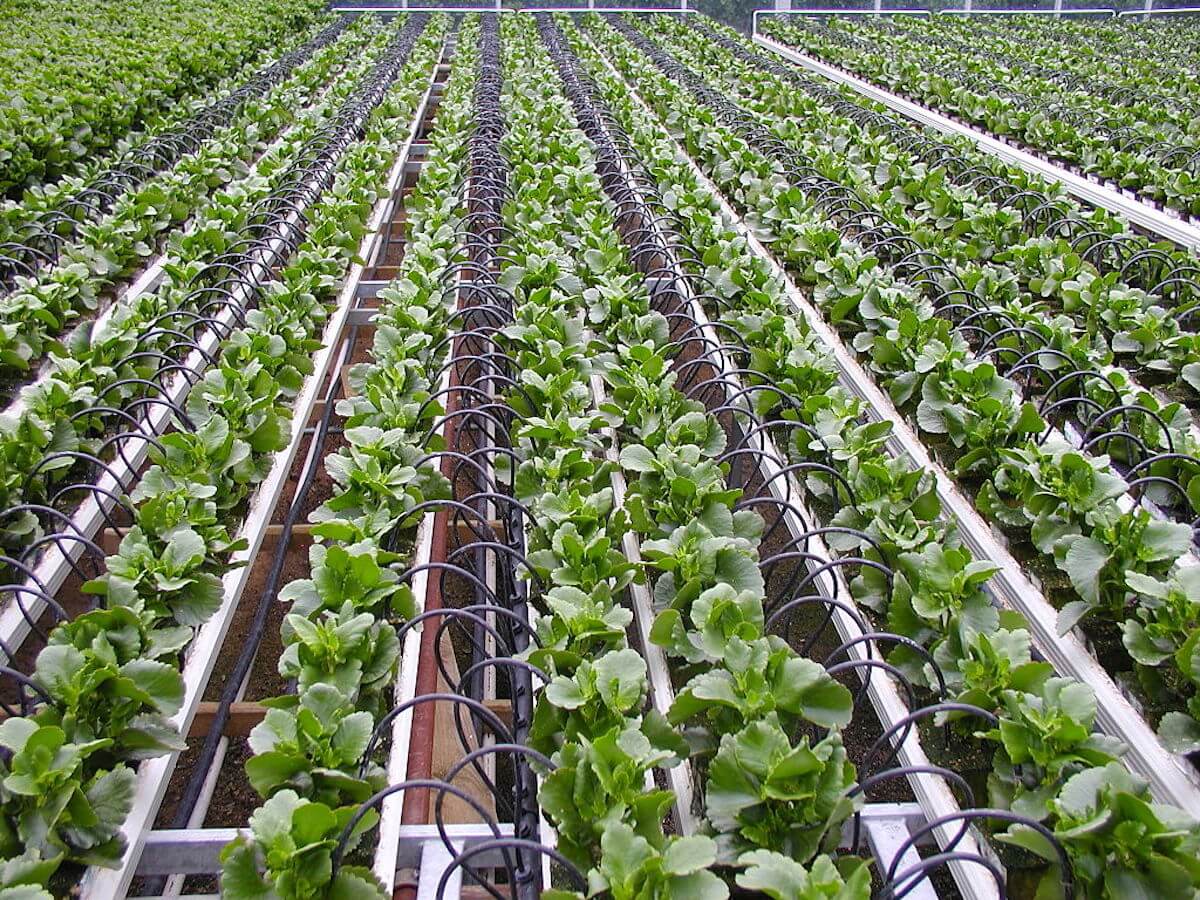
Israeli multinational water, irrigation, and sewage companies – some with connections to the Israeli military and prison service – have made significant inroads into the UK market.
Israel needs to change its economic doctrine which sees water as nothing more than a commodity to be sold or traded, and a political ideology that is fixated on holding on to as much water as possible.

At daybreak Kefah Adra set out to fill a plastic container of water from a nearby spring, a morning errand she has not done in 15 years. Like many Palestinian towns in this southern region of the West Bank, a-Tuwani is hemmed in by Israeli settlements, which a decade and a half ago cut off access to her water source.
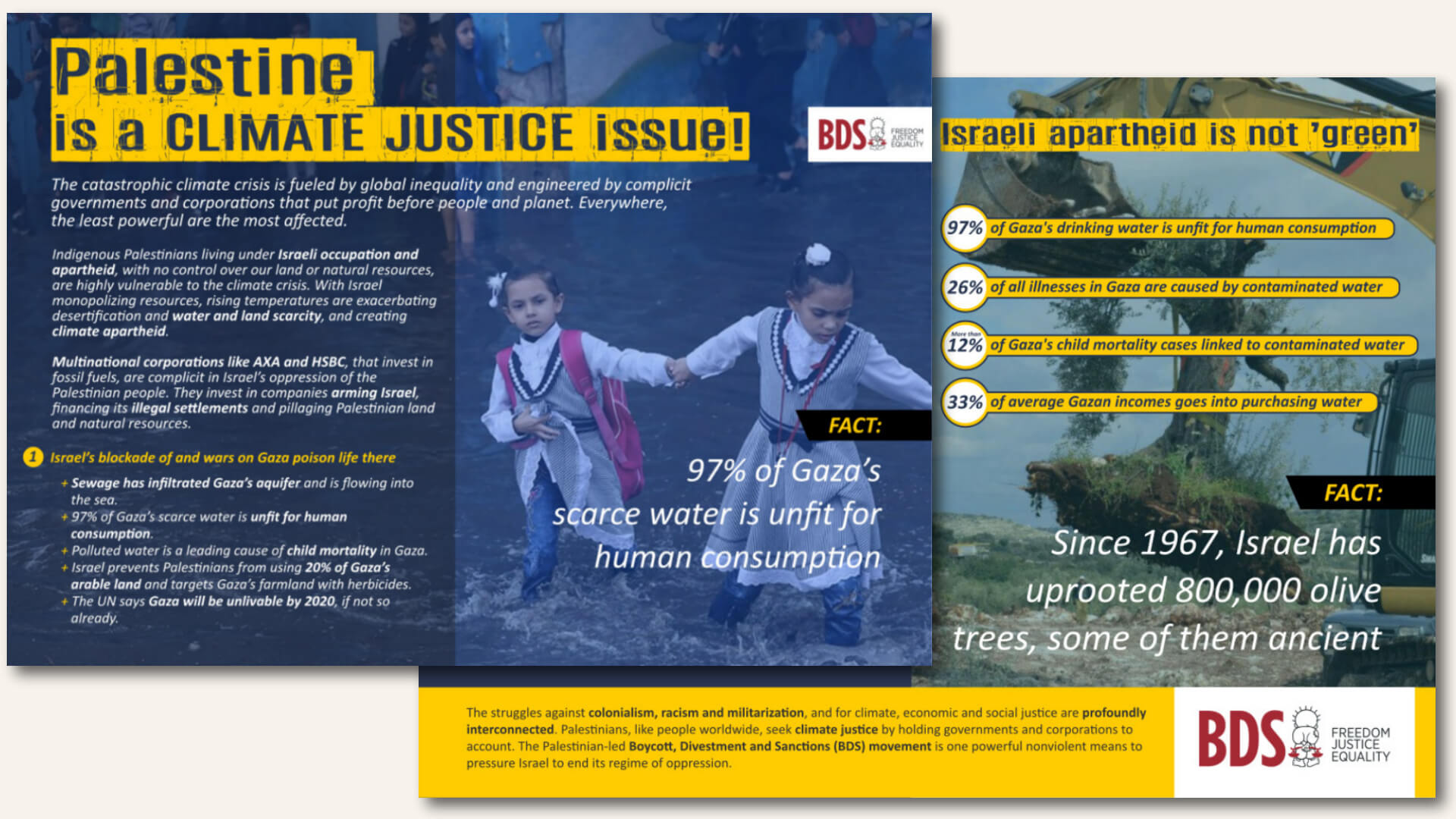
The catastrophic climate crisis is fueled by global inequality and engineered by complicit governments and corporations that put profit before people and planet. Everywhere, the least powerful are the most affected. Indigenous Palestinians living under Israeli occupation and apartheid, with no control over their land or natural resources, are highly vulnerable to the climate crisis.
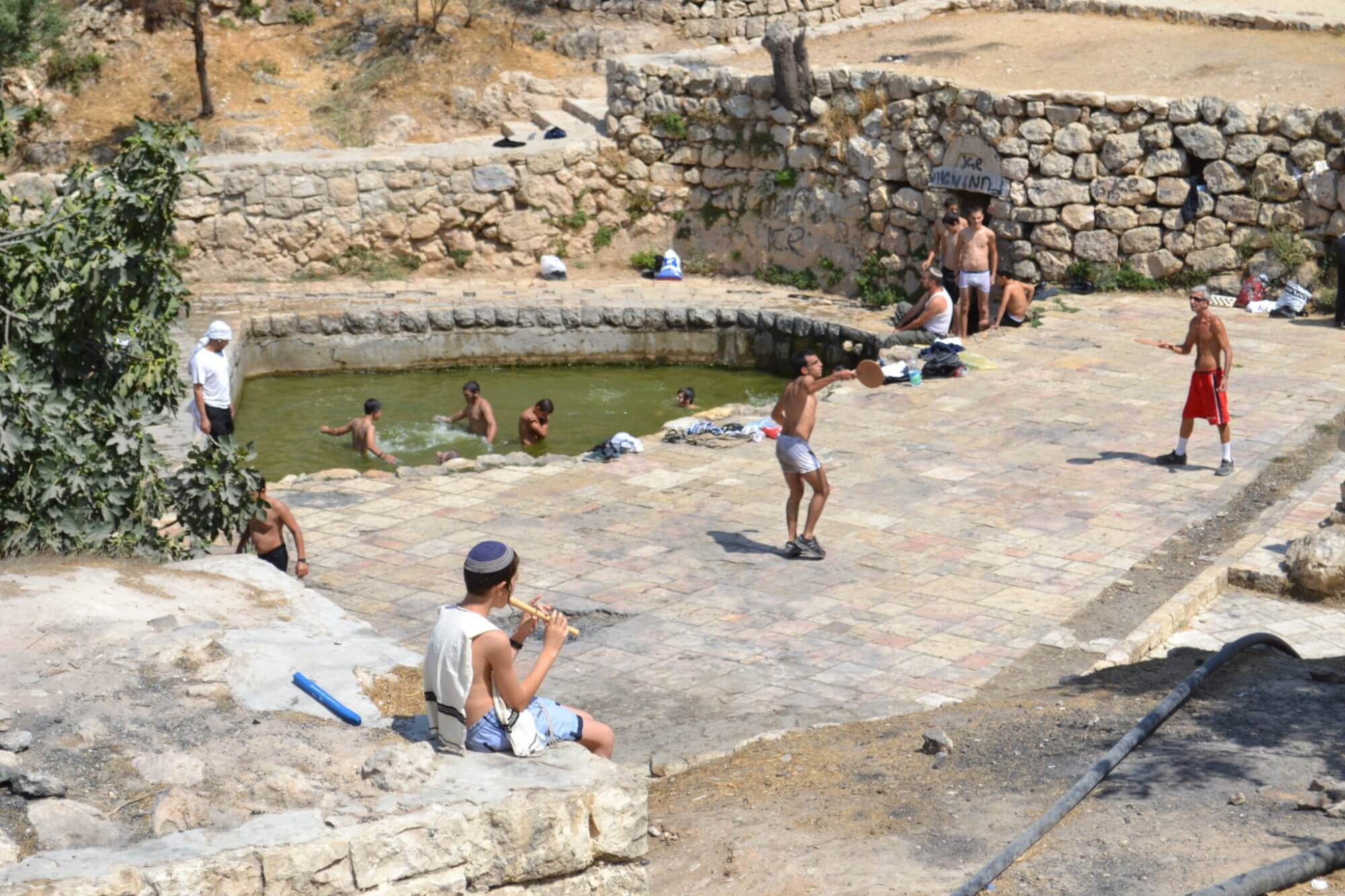
Climate change is a human rights issue. Nowhere is this clearer than in the Occupied Palestinian Territories (OPT), where land and natural resources required for climate adaptation are controlled by Israel, and systematically denied to Palestinians. Of all these resources, none are more vital than water.
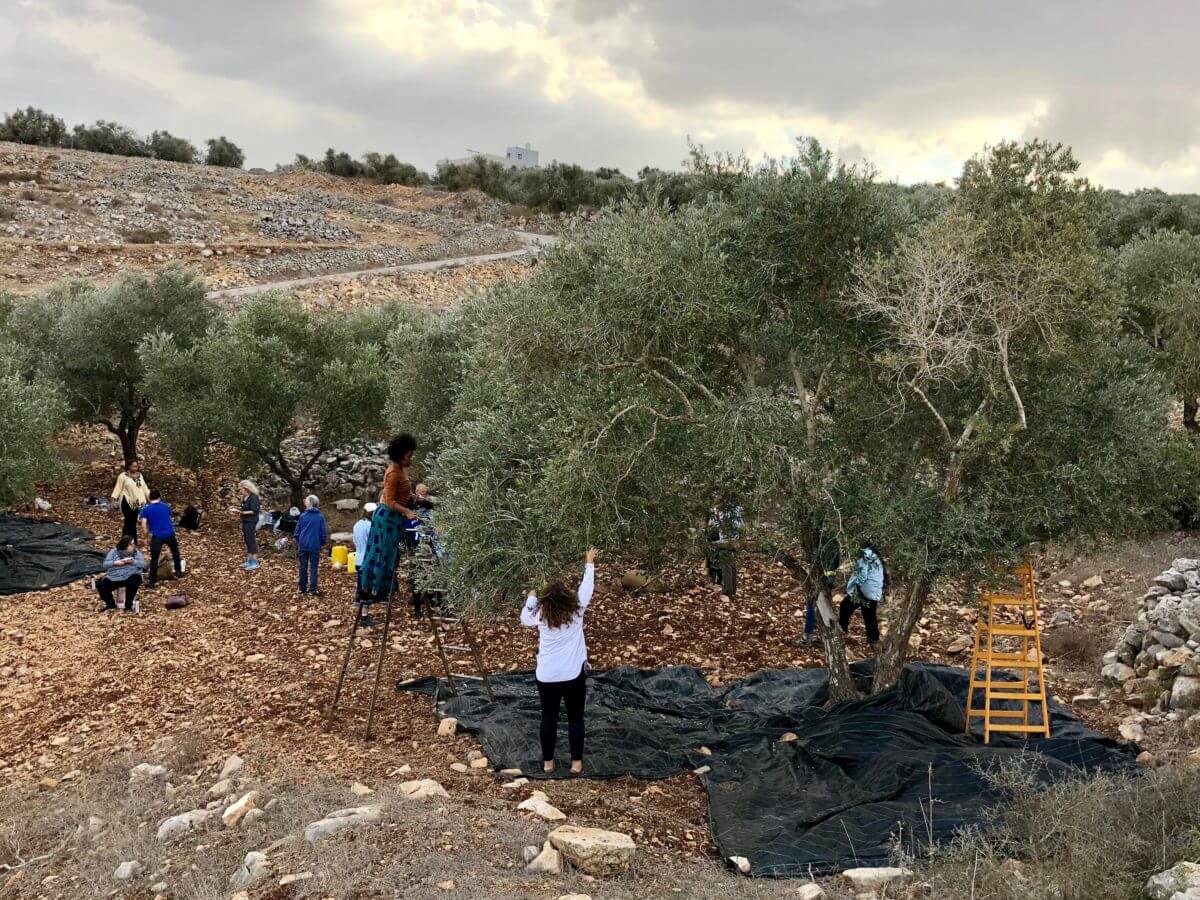
Since 1967 Israel has issued military orders asserting its control over all water sources in the occupied territories, depriving Palestinians access to their own water. What does this water deficit look like on the ground? Nancy Murray explains how Palestinian farms cope without access to irrigated or piped water.
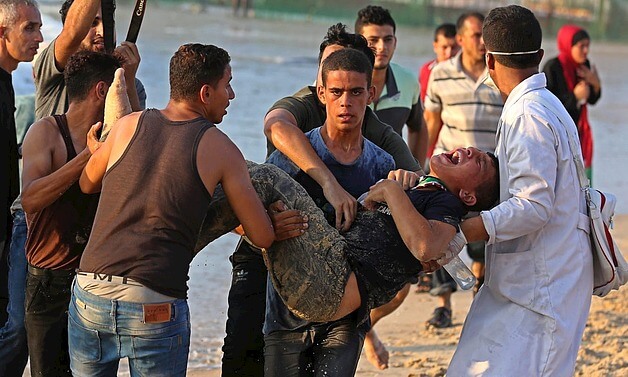
The UN Office for the Coordination of Humanitarian Affairs reports on water & sanitation crisis in Gaza, increase in Israeli settler violence. “97 per cent of ground water extracted in Gaza is unfit for human consumption, generating the risk of a waterborne disease outbreak.”
Boston-area Palestinian rights activist Nancy Murray recently wrote Boston Globe reporter Erin Ailworth about her…