The U.S. and Iran are trading strikes while carefully avoiding all-out war, and both sides are hiding the damage they’ve suffered. The difference is Iran has more reason to end the stalemate, and less patience for Washington’s forever-war strategy.
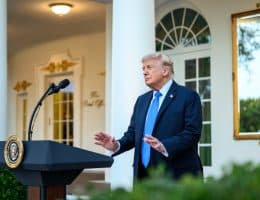

The U.S. and Iran are trading strikes while carefully avoiding all-out war, and both sides are hiding the damage they’ve suffered. The difference is Iran has more reason to end the stalemate, and less patience for Washington’s forever-war strategy.
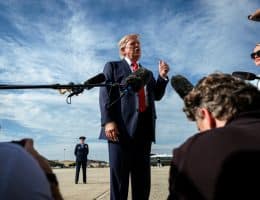
Trump’s “Operation Economic Outcast” to impose secondary sanctions on countries trading with Iran is a tacit admission of U.S. military defeat. But sanctions haven’t worked for 47 years, and Iran won’t let the U.S. decide when the shooting war ends.

Netanyahu’s campaign billboard lumps Zohran Mamdani with Iran and Hezbollah as an “enemy”, an admission that he’s losing America, and that no successor will fix Israel’s underlying apartheid problem.
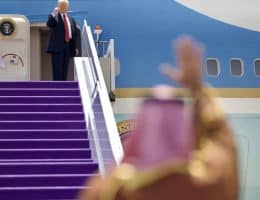
The new defense agreement among Saudi Arabia, Türkiye, and Pakistan highlights how Israeli aggression is compelling the region to reconfigure its alliances and serves as the latest evidence of the United States’ declining global influence.

Demands that Hamas disarm follow decades of international calls for a “demilitarized Palestinian state.” These demands insist that Palestinians surrender their right to self-defense, a right no people should relinquish.

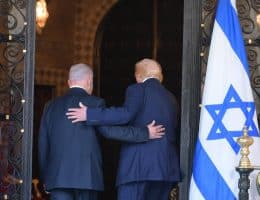
Benjamin Netanyahu gushed about his White House meeting with Donald Trump this week, but the meeting was most notable for what went unsaid about Iran.
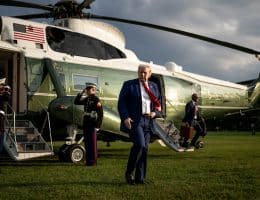
The White House announced an agreement to supply nuclear material to Saudi Arabia, and then killed its own deal by linking it to normalization with Israel under Israeli pressure. But even if the deal fails, it will significantly impact Gulf politics.
In a Le Monde op-ed, Oman’s Badr al-Busaidi argues the West’s decades-long policy of “containing” Iran was always misguided, and that the true threat comes from Tel Aviv. Al-Busaidi pushes for a new security order built around regional states.
American goals in the war on Iran were unclear from the start, driven by Donald Trump’s personal ambitions and the fantasies of pro-Israel neoconservatives. Now, however, there is a clear agenda: to prevent Iranian control of the Strait of Hormuz.

This week offered a clear example of how elected officials in Washington, D.C., bend their own rules to keep weapons flowing to Israel. Political results outside Washington this week also showed us why this may soon change.