The same reality that compelled Palestinian refugees in Lebanon to take up arms in the 1970s persist to this day. The Palestinians of the camps now view the resistance movement in Gaza with renewed hope for liberation.
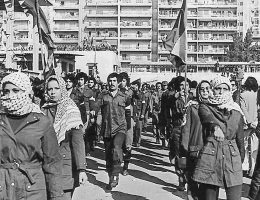

The same reality that compelled Palestinian refugees in Lebanon to take up arms in the 1970s persist to this day. The Palestinians of the camps now view the resistance movement in Gaza with renewed hope for liberation.
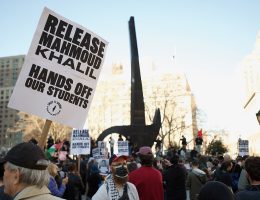
The first months of the Trump administration have been an assault on everything that those who work for justice hold dear. Yet, it is in times like these that our movements have brought down mighty systems, freed people, and changed history.
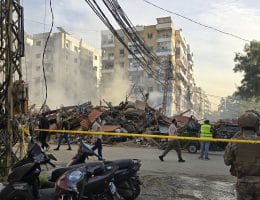
The failure of the Lebanese government to protect against Israeli attacks is leading Lebanon down two roads: either Hezbollah will re-enter the war in defense of the Lebanese people, or the government will prevail and content itself to sit back.

Despite widespread participation in a general strike protesting the genocide in Gaza, organized Palestinian forces in the West Bank are experiencing a “moment of weakness,” civil society activists say, due to Israel’s campaign of terror.

Trump says the U.S. is engaging in direct talks with Iran on nuclear weapons and announced that there would be a “very big meeting” on April 12.

Last week Israel ordered the evacuation of Rafah, the very place that has been a refuge for millions of Palestinians, including myself. As I read the news, the memories of my displacement to Rafah came flooding back.

Gaza’s blood stains not only the hands of Israel, the U.S., and the West — but also those of 2 billion Muslims who remain silent witnesses.
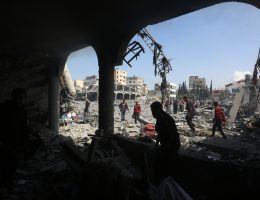
Israel bombed three schools-turned-shelters, intensifying attacks across Gaza City and ordering residents to evacuate. Eyewitnesses report that the Israeli army is sending booby-trapped vehicles into neighborhoods and detonating them remotely.

Netanyahu is replacing officials in key state positions with his own loyalists in a bid to consolidate power — and he is using the escalating war on Gaza to do it.

A nationwide day of anti-Trump protests is ignoring Palestine and the Gaza genocide.