Mohsen Rezaei, a senior adviser to Iran’s Supreme Leader and former IRGC Commander, says Tehran will not separate Lebanon from any deal with Washington, including a nuclear deal, as Iran seeks to redefine the terms of negotiations with the U.S.
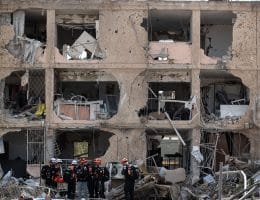

Mohsen Rezaei, a senior adviser to Iran’s Supreme Leader and former IRGC Commander, says Tehran will not separate Lebanon from any deal with Washington, including a nuclear deal, as Iran seeks to redefine the terms of negotiations with the U.S.

Israel has long used the same playbook to recruit informants from enemy societies. Iran is now using it to recruit spies in Israel by exploiting new cracks in Israeli society.

The entire Israeli political spectrum is united in blasting Netanyahu for not continuing to attack Iran, and Israeli society agrees. The reason, to put it simply, is that Israelis are war junkies.
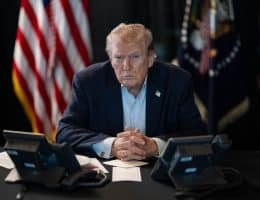
Donald Trump’s naked threats to target Iran’s civilian infrastructure are the culmination of a strand of neoconservative thought that has defined U.S. war-making over three decades, from the Iraq war to Obama’s drone campaigns to the Gaza genocide.

Israel has stated it does not plan to leave Lebanon even if the current ‘war’ ends. If the Gaza model is any guide, Israel appears to be moving toward expanding its border into Lebanon.

Despite the seriousness of the claims made by Joe Kent – that Israel dragged the U.S. into war with Iran despite Iran posing no imminent threat – the liberal media is ignoring the real story by painting Kent as an antisemitic conspiracy theorist.

These are signs of the growing impatience of Iran’s Arab neighbors with Iran’s tactic of striking at them in response to Israeli or American attacks. But the anger of the Gulf states isn’t only reserved for Iran.

As Israel expands its ground invasion of southern Lebanon, village residents in the eastern part of the country have participated in resisting two separate Israeli commando drops this month. Locals and experts say it’s a prelude for a wider invasion.

Every week the U.S.-Israeli war grinds on without a decisive conclusion becomes a lesson in the limits of U.S. power. A campaign initially meant to reinforce U.S. and Israeli supremacy may instead signal its decline.
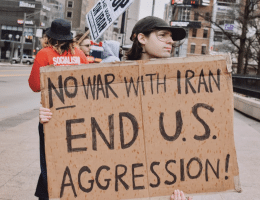
Palestine activists are protesting the war on Iran and preparing for escalated repression.