The nights of January 8-9, 2026, saw Iran go up in a coordinated blaze after two weeks of protests. I, and many other Iranians, witnessed the breakdown in public order during those days, and the influence of outside forces instigating the explosion.


The nights of January 8-9, 2026, saw Iran go up in a coordinated blaze after two weeks of protests. I, and many other Iranians, witnessed the breakdown in public order during those days, and the influence of outside forces instigating the explosion.

Israeli Prime Minister Benjamin Netanyahu made a hasty trip to Washington this week to push Donald Trump toward war with Iran. Although little has been made public from the meeting, it appears Netanyahu has failed — for now.
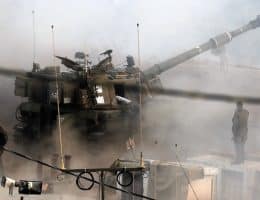
Israel has entered a new phase of expansion and military aggression beyond historic Palestine. This is not due to a strategic shift, but rather because the constraints that kept it confined before October 2023 are now too weak to hold it back.

Long-standing crises in Palestine, Syria, Lebanon, Yemen, Sudan, Iraq, and Iran are deepening as the U.S. imprint on the Middle East shows no signs of weakening.
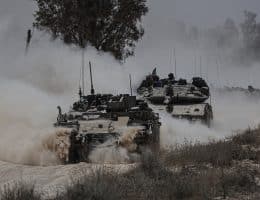
Israel’s strategic posture favors a constant state of war over political deals that might constrain future aggression. Its recognition of Somaliland is part of this strategy, and an attempt to plant the first flag of its would-be empire in Africa.

Days after his meeting with Benjamin Netanyahu, Donald Trump threatened to intervene in Iran if the country killed any protesters. Analyst Sina Toossi breaks down recent events and whether another US-Israeli aggression on Iran may be on the horizon.

Israel’s attack on Iran was the latest campaign in a longer war to subdue the region.

What really happened during the so-called “12-Day War” between Israel, the U.S., and Iran — and why it’s not about nuclear weapons.

The 12 days of fighting between Iran and Israel, along with the U.S. intervention, left a deep impact on all three countries. Where do each stand now that the fighting has stopped, and what comes next?

Israel has been exposed as a dependent colony that relies on the West for its military adventures. And even still, it has failed to turn this advantage over Iran into strategic success. The Israel doctrine appears to be meeting its limits.