Israel’s attack on Iran began as a campaign against its nuclear program but has already begun to morph into something far riskier: regime change. It is staking its strategy on deep US involvement, but fault lines between the two are already visible.


Israel’s attack on Iran began as a campaign against its nuclear program but has already begun to morph into something far riskier: regime change. It is staking its strategy on deep US involvement, but fault lines between the two are already visible.

After Iran launched hundreds of ballistic missiles into Israel in retaliation for Israel’s unprecedented attack, Israel said it would “burn Tehran” if Iran continued to retaliate.

We are told, again and again, that Israel is defending itself. But it is only defending its right to act with impunity throughout the Middle East to maintain its supremacy. Israel’s attack on Iran is just the latest example.

The Israeli army launched a series of wide-ranging overnight strikes on Iran, targeting nuclear facilities, top military leaders, and nuclear scientists. Israel says these attacks are just the beginning.

A continued a stream of contradictory news stories on the U.S.-Iran nuclear deal negotiations have been flying back and forth for days. Iran hasn’t yet abandoned the deal, despite what headlines say, but Trump’s waffling could prove disastrous.
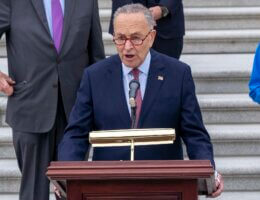
Senator Chuck Schumer evidently thinks the Democrats’ best strategy is attacking the Trump administration from the right on this issue. Meanwhile, The pro-Israel camp is capitalizing on the Boulder, Colorado attack to demonize the Palestine movement.
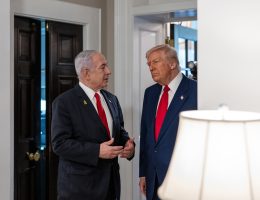
Benjamin Netanyahu is likely missing the days of Genocide Joe Biden, when he had more direct influence over U.S. policy. Still, Trump’s surprise deal with Yemen doesn’t mean he is abandoning Israel, in fact, he might be setting it loose.

U.S. negotiations with Iran over its nuclear program continue to show signs of success. But Merav Ceren’s appointment to the National Security Council shows the institutional power pro-Israel forces will have to sink a deal.

Trump says the U.S. is engaging in direct talks with Iran on nuclear weapons and announced that there would be a “very big meeting” on April 12.

Recent aggressive moves by the Trump administration have clearly been meant to threaten Iran. While this pressure might be an attempt to intimidate Iran into nuclear concessions, the threat of all-out war appears to be growing by the day.