Dareen Tatour, a Palestinian citizen of Israel, faces the possibility of eight years in prison for “incitement” and support to a terror organization – for a Youtube poetry video and two Facebook posts.


Dareen Tatour, a Palestinian citizen of Israel, faces the possibility of eight years in prison for “incitement” and support to a terror organization – for a Youtube poetry video and two Facebook posts.

Israeli police and authorities have rushed to produce a ‘terrorist’ narrative of an official killing; but autopsy indicates the Israeli teacher Yacoub Abu Al-Qia’an was executed at Umm al-Hiran village last week and left bleeding for twenty minutes when there were medical vehicles at hand. “They murdered him not once, but several times,” his brother Ahmed says.
Israel’s recent wave of house demolitions in Qalansawe and al-Araqeeb is just the latest in a long tradition of limiting Palestinian community growth so that Palestinians will leave and thereby allow more Jews to live on more of the land.

Yesterday, Israeli police forces demolished homes and structures at Umm Al-Hiran, a Bedouin village in the southern Negev desert. Umm Al-Hiran is one of 39 ‘unrecognised’ Bedouin villages in Israel’s southern Negev and has faced state repression since the founding of Israel in 1948. Therefore it is best to understand yesterday’s violence and the case of Umm Al-Hiran as part of an overarching policy of ethnic cleansing.

Hatim Kanaaneh’s village in the Galilee has become known in the Israeli press as a “medical mecca” for the large number of doctors and medical professionals that call it home. Although some want to credit Israel for this, Kanaaneh says it has been accomplished through “resilience, often verging on plasticity,” in the face of institutional and societal discrimination in the Jewish state.
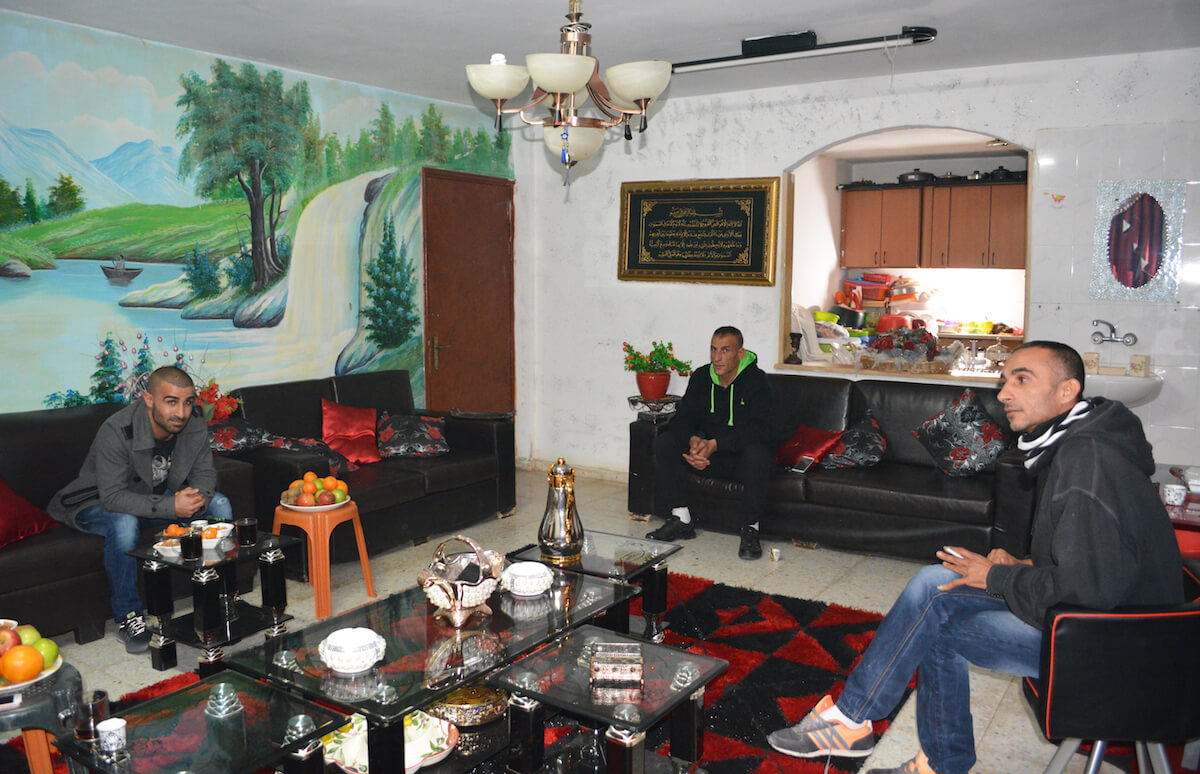
One-month-old Jowan Abu al-Qi’an will most likely be the last person born in the village of Umm al-Hiran in the Negev desert. The house that her family built out of stone will be demolished, and the Bedouin village will soon be razed to the ground to make way for the new Jewish community “Hiran.” “We’d like to live together. We told them that it’s OK for us to live with Jews, but the court said no. This place is just for Jewish people,” Umm al-Hiran resident Hassan Abu al-Qi’an says.
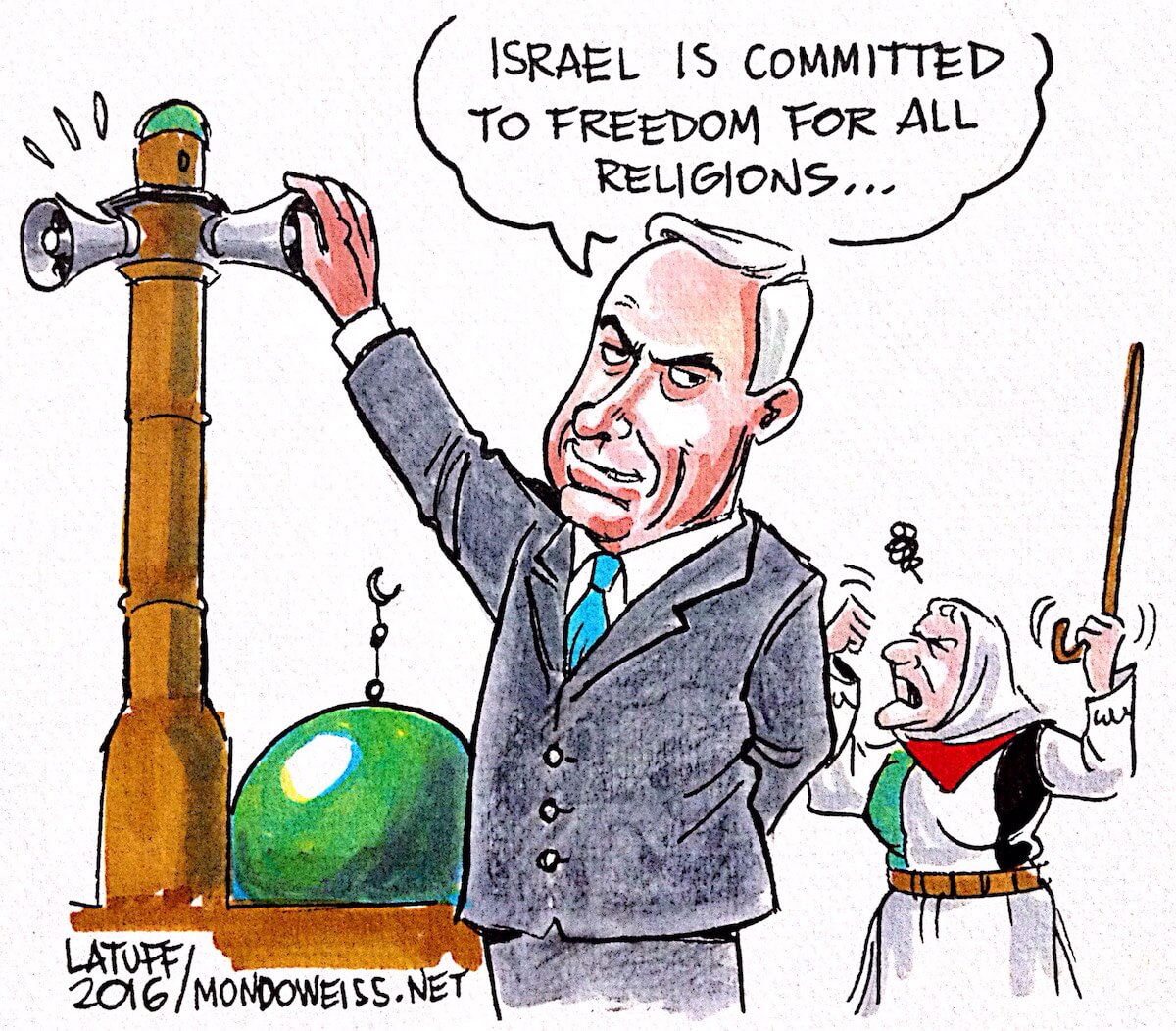
Prime minister Benjamin Netanyahu declared his support this month for the so-called “muezzin bill”, claiming it was urgently needed to stop the dawn call to prayer from mosques ruining the Israeli public’s sleep. But the one in five of Israel’s population who are Palestinian, most of them Muslim, and a further 300,000 living under occupation in East Jerusalem, say the legislation is grossly discriminatory. Haneen Zoabi says legislation is not about “the noise in [Israeli Jews’] ears but the noise in their minds”. Their colonial fears, she said, were evoked by the Palestinians’ continuing vibrant presence in Israel – a presence that was supposed to have been extinguished in 1948 with the Nakba, the creation of a Jewish state on the ruins of the Palestinians’ homeland.

It was exactly one year ago that Dareen Tatour’s ordeal began. In the pre-dawn hours of October 11, 2015, Israeli police and border guards stormed into Palestinian poet’s family home without a warrant or an explanation for the shocking and disturbing intrusion. They arrested, interrogated, and eventually charged Dareen Tatour with the crime of ‘incitement to violence’ for posts she made on Facebook. A year later, there is no end in sight.
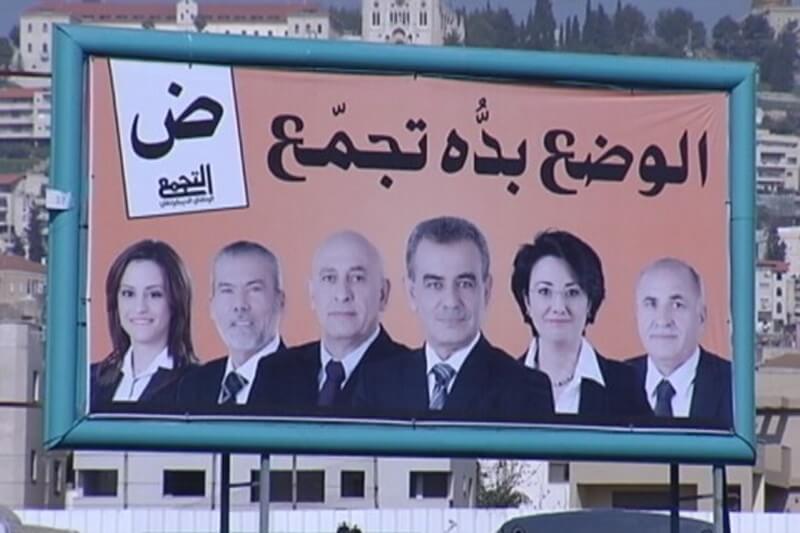
Over 30 activists and senior officials from the Arab National Democratic Assembly, or Balad party, have been arrested in recent weeks on charges ranging from money laundering to mishandling campaign contributions, in what many in the Palestinian community are calling a new wave of political persecution. “The arrests are being used to scare Palestinians by using false information,” said Balad Knesset Member Jamal Zahalka. “They are a means to stop Palestinians wanting to change their situation.”
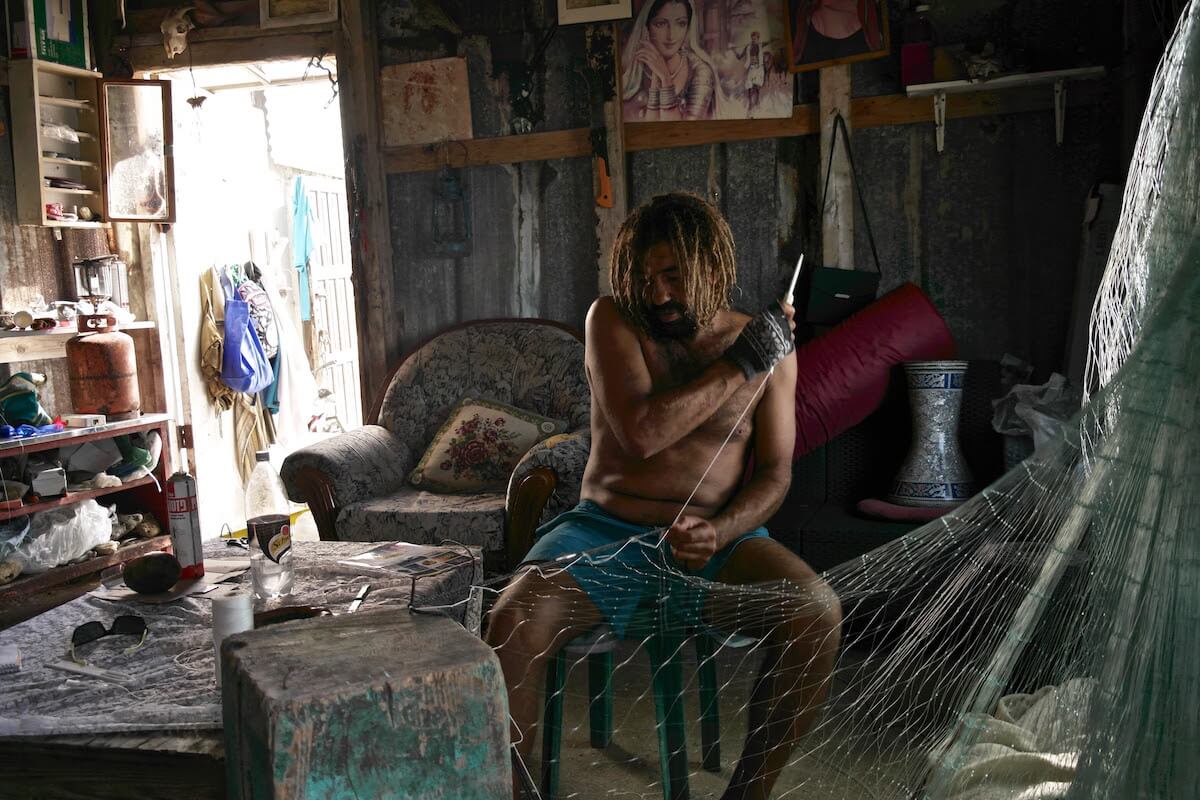
Skylar Lindsay reports from Jisr al-Zarqa, the only town on the coast of Israel today with an entirely Arab population. Despite being on the Mediterranean, Jisr al-Zarqa is trapped. Fourteen thousand residents occupy a little 1.5 square kilometer strip of coastline where 80 percent of families live below the poverty line. The town is pushed up against the sea by Highway 2 and squeezed from the north by a kibbutz and on the south by Caesarea, the luxurious suburb Israeli Prime Minister Netanyahu calls home. “Have you seen Netanyahu’s house?” Palestinian fisherman Khalid Jurban asks, jokingly. “See? Here there are Palestinians and Israelis living right beside.”