Ahmad Manasra was arrested at 13 and kept in solitary confinement for years. He was diagnosed with schizophrenia in prison and was at serious risk of self-harm. His release to a remote location far from his family was Israel’s final act of torture.
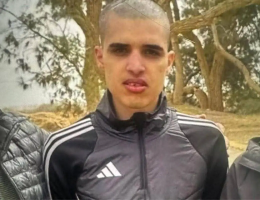

Ahmad Manasra was arrested at 13 and kept in solitary confinement for years. He was diagnosed with schizophrenia in prison and was at serious risk of self-harm. His release to a remote location far from his family was Israel’s final act of torture.

As part of the ceasefire deal between Israel and Hamas, Amir Abu Raddaha was freed from Israeli prison after 23 years. He spoke to Mondoweiss about his time behind bars, and the horrific conditions of Palestinian prisoners since October 7.

Palestinians show the world what it means to develop a culture that fiercely defends and values their political prisoners. Our survival as Black people inside the U.S. relies on us seriously heeding this lesson.
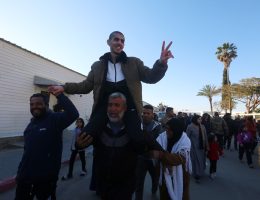
The one-sided ‘New York Times’ coverage of the latest news from Israel and Palestine continues, unchanged.
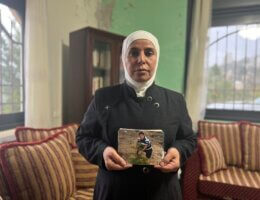
The love story of Nael Barghouti, the longest-serving Palestinian prisoner, and his wife Iman, is nothing short of a classic Palestinian folktale. Now, as Iman awaits her lover’s release from prison, Israel is not done trying to tear them apart.

110 Palestinians were freed from Israeli captivity in exchange for three Israeli captives in Gaza, after Israel initially tried to suspend releasing the Palestinian prisoners over complaints of “chaos” during the handover of the Israeli captives.

Scenes of celebration overtook the streets of Ramallah as the first group of Palestinian prisoners, mostly women, were released as part of the Israel-Hamas ceasefire deal. Despite the joy many felt, tensions remain high in the West Bank.

The Palestinian Feminist Collective demands the immediate and unconditional freedom of Palestinian political prisoner and revolutionary leader Khalida Jarrar, who teaches us that “hope in prison is like a flower that grows out of stone.”

Ibrahim Salem was detained by Israeli forces in Gaza and held for 8 months, including 52 days at the now infamous Sde Teiman torture facility. Salem recounts the torture he endured, including physical abuse, starvation, and electrocution.

Families of Palestinian prisoners are kept in the dark about the fate of their loved ones at a time when Israeli prison authorities are creating conditions unfit for human life.