Mohsen Rezaei, a senior adviser to Iran’s Supreme Leader and former IRGC Commander, says Tehran will not separate Lebanon from any deal with Washington, including a nuclear deal, as Iran seeks to redefine the terms of negotiations with the U.S.


Mohsen Rezaei, a senior adviser to Iran’s Supreme Leader and former IRGC Commander, says Tehran will not separate Lebanon from any deal with Washington, including a nuclear deal, as Iran seeks to redefine the terms of negotiations with the U.S.

Donald Trump reportedly has a deal on the table to suspend fighting and begin negotiations to end the Iran war and the resulting global economic crisis. But Israel and Iran hawks see it as a disaster and are working to undermine it. Who will win out?

Political and economic realities are pushing Donald Trump to pursue a deal with Iran, but he will need to resist mounting pressure, including from Israel, to return to all-out war.
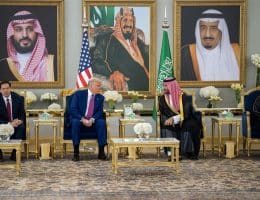
For decades, Gulf rulers mistook access to America for influence, but now, with the Iran war, they finally see they are viewed as disposable on the front lines of the U.S. empire.

Recent U.S. moves indicate that Donald Trump has finally recognized the disastrous mistake he made by listening to Benjamin Netanyahu and launching the war on Iran. Now he is looking to cut a deal, but Israel won’t make it easy.

Lebanese rescue workers now wait 15 minutes after each strike before responding, the only way, they say, to stay alive long enough to reach the wounded amid Israel’s implementation of its Gaza “double-tap” policy in Lebanon.

While the world is focused on Iran, Israel is signaling plans to restart the genocide in Gaza.
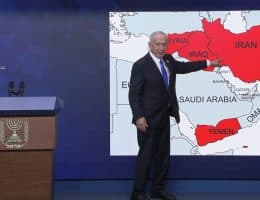
As the U.S. and Iran face off in the Strait of Hormuz, Israel will do everything it can to reignite the war with Iran and resume its offensive in Lebanon.
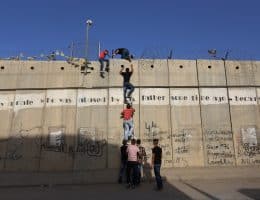
Over 150,000 Palestinian laborers have been denied work permits in Israel for two years. They’re now smuggling themselves across the Green Line amid the war on Iran, where they are banned from more than 11,000 shelters when missiles strike.

Israel has long used the same playbook to recruit informants from enemy societies. Iran is now using it to recruit spies in Israel by exploiting new cracks in Israeli society.